| Location: | U.S.A |
|---|---|
| Age: | Late Jurassic (150 Million Years) |
| Size: | H87cm W48cm 25cm |
| Price: | P.O.A |
| Availability: | Available | Enquire |
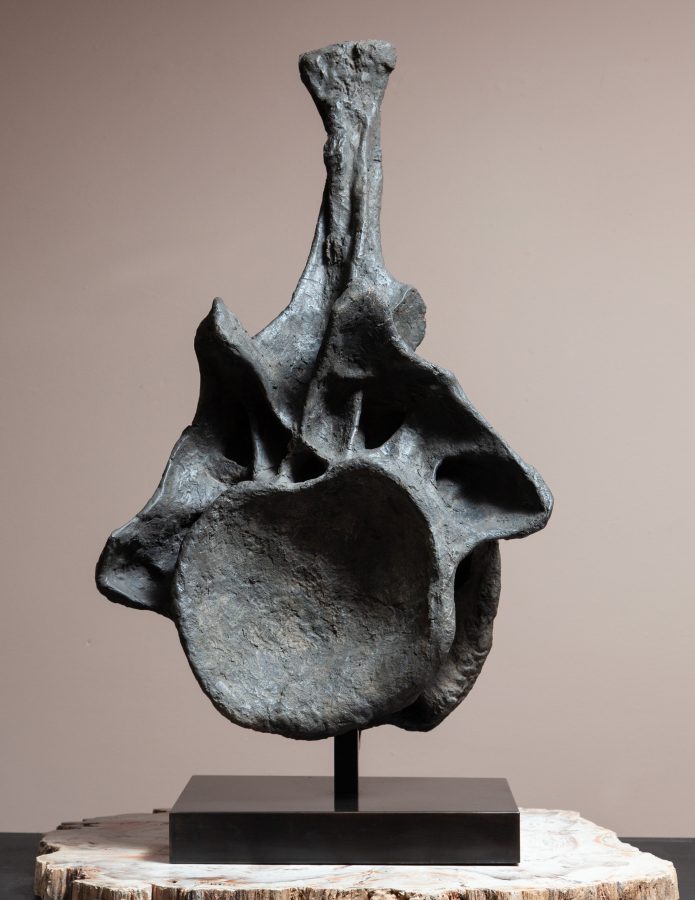
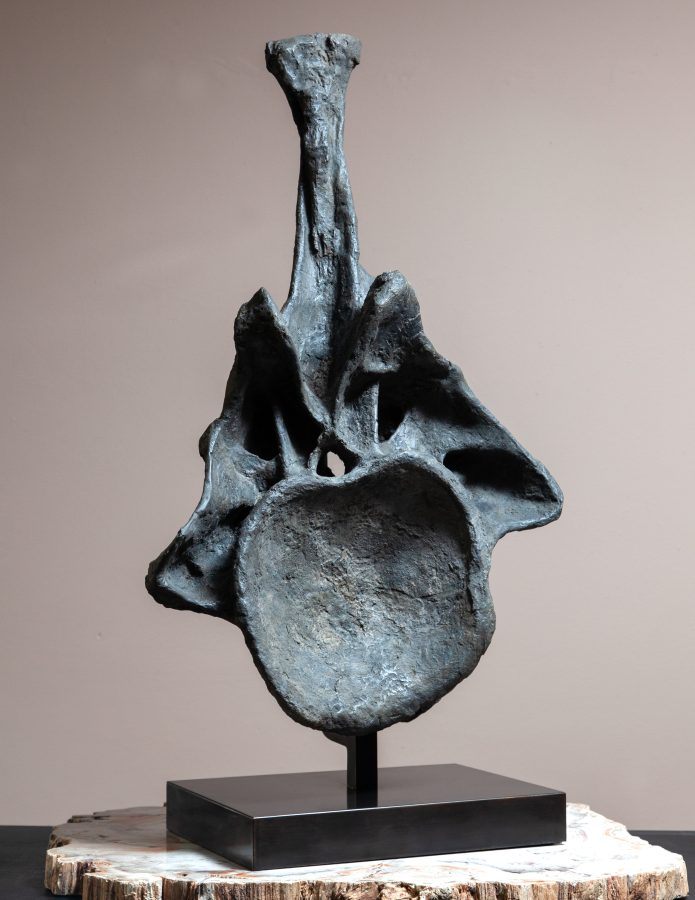
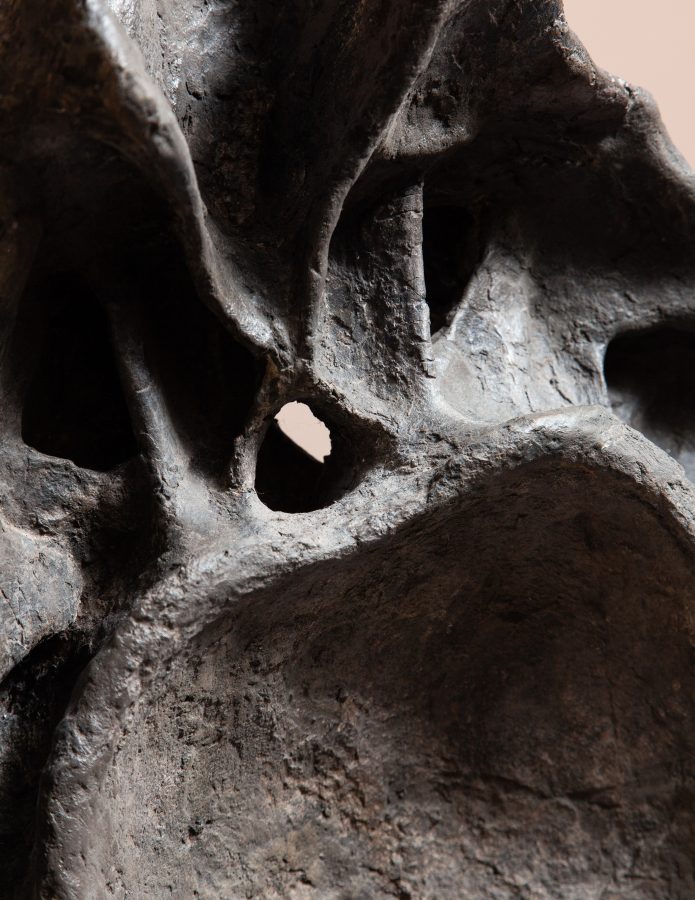
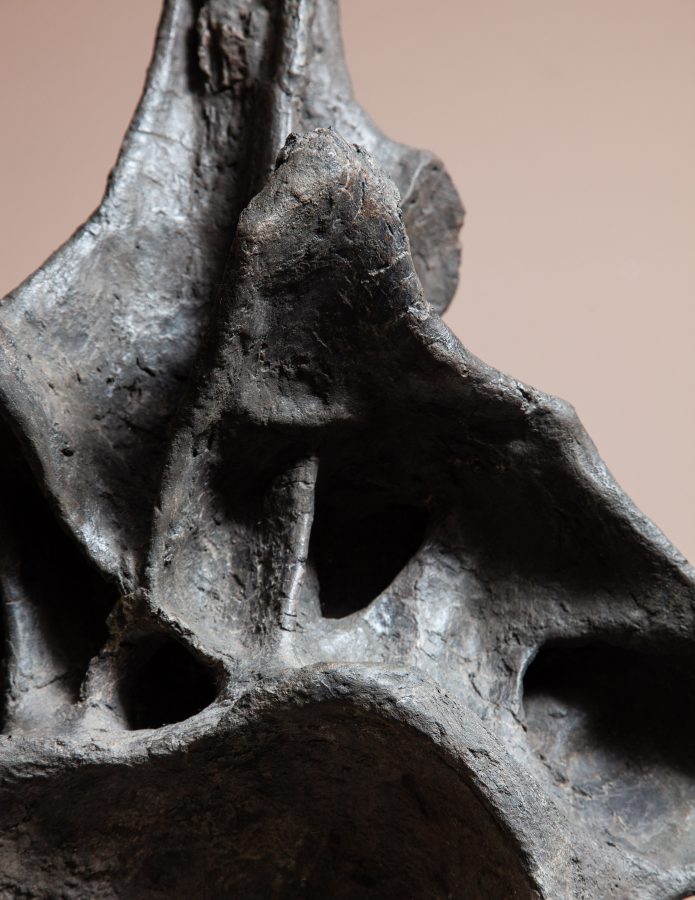
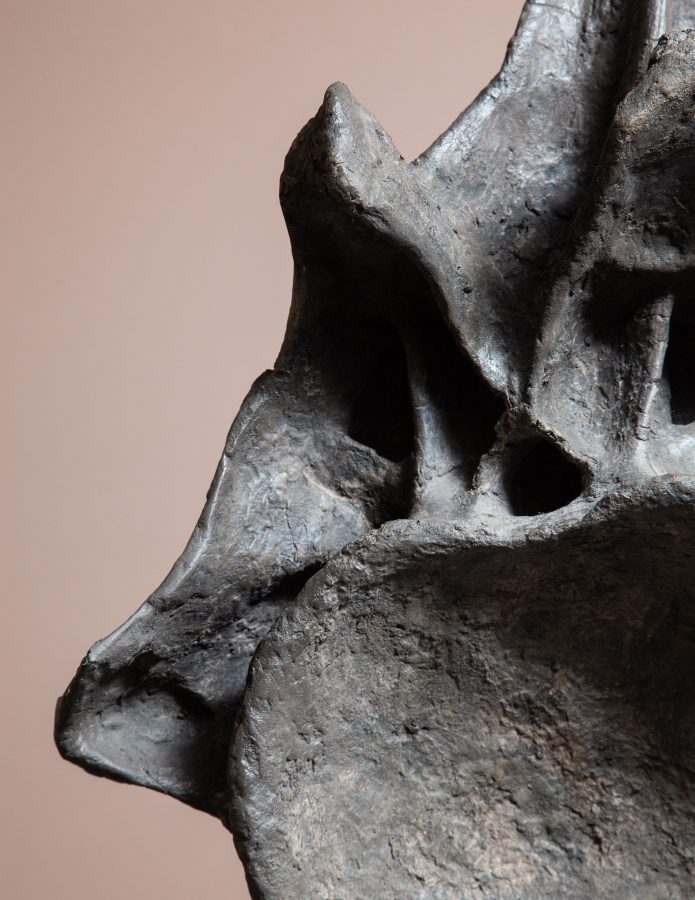
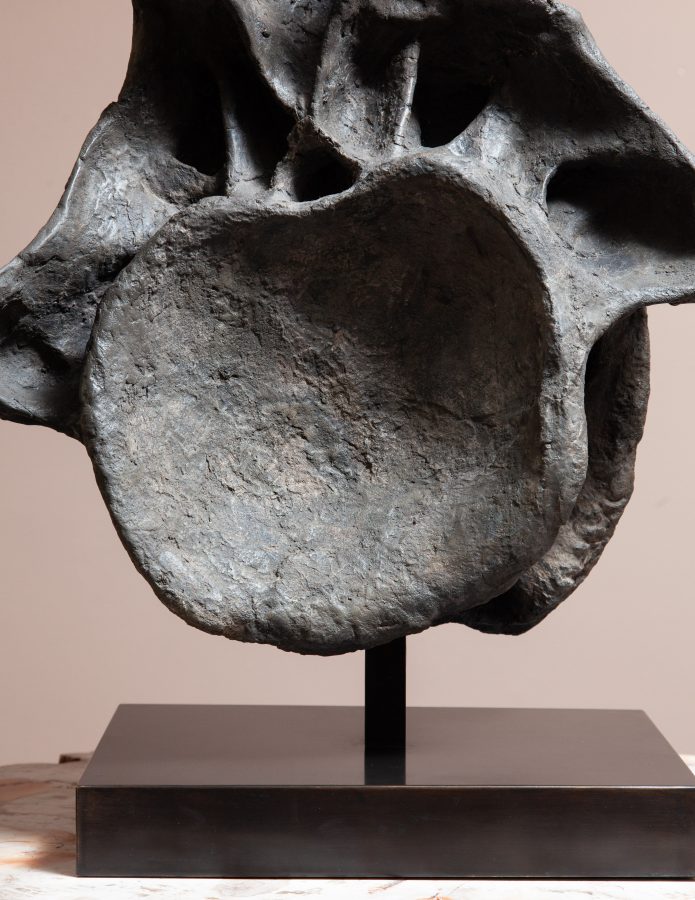
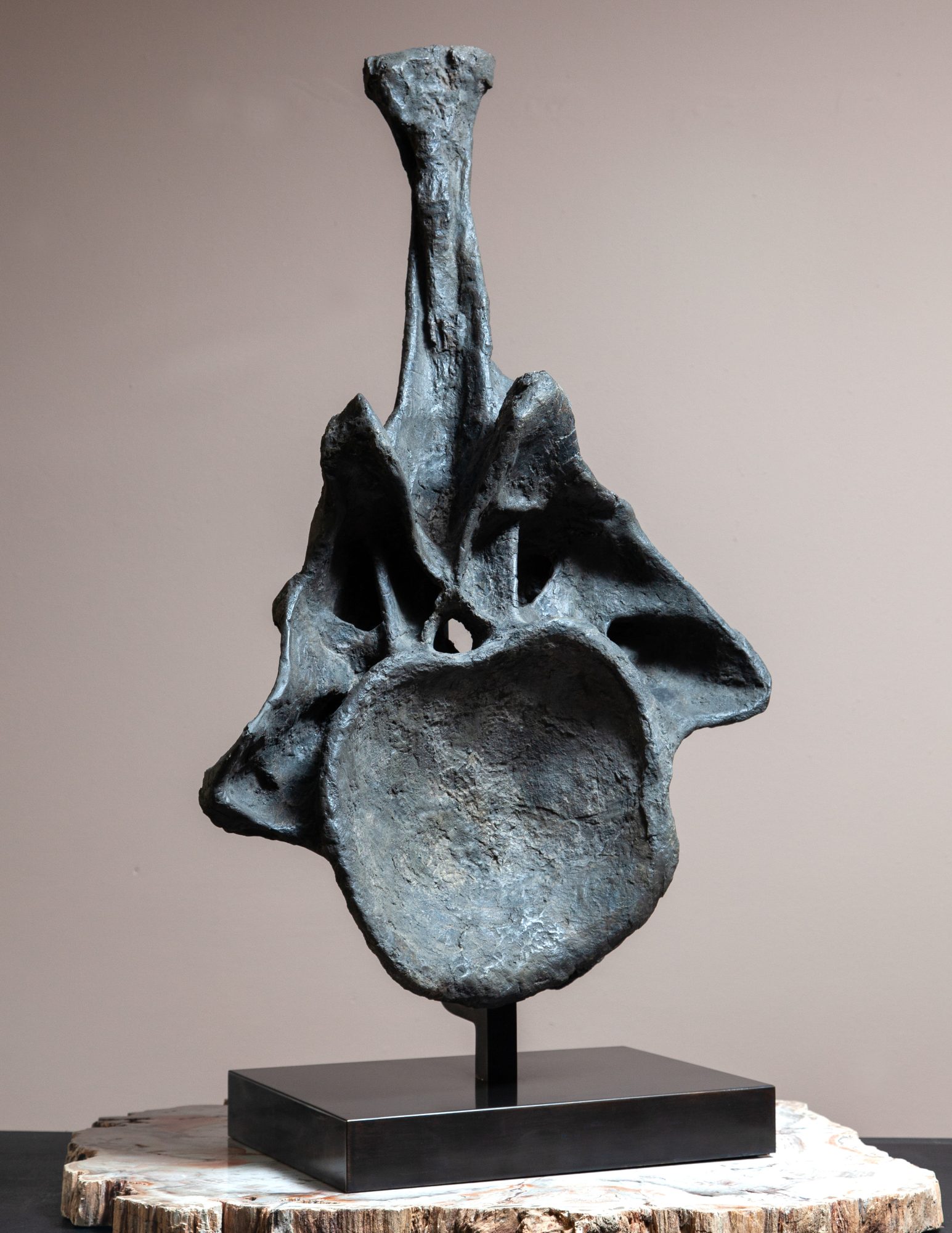
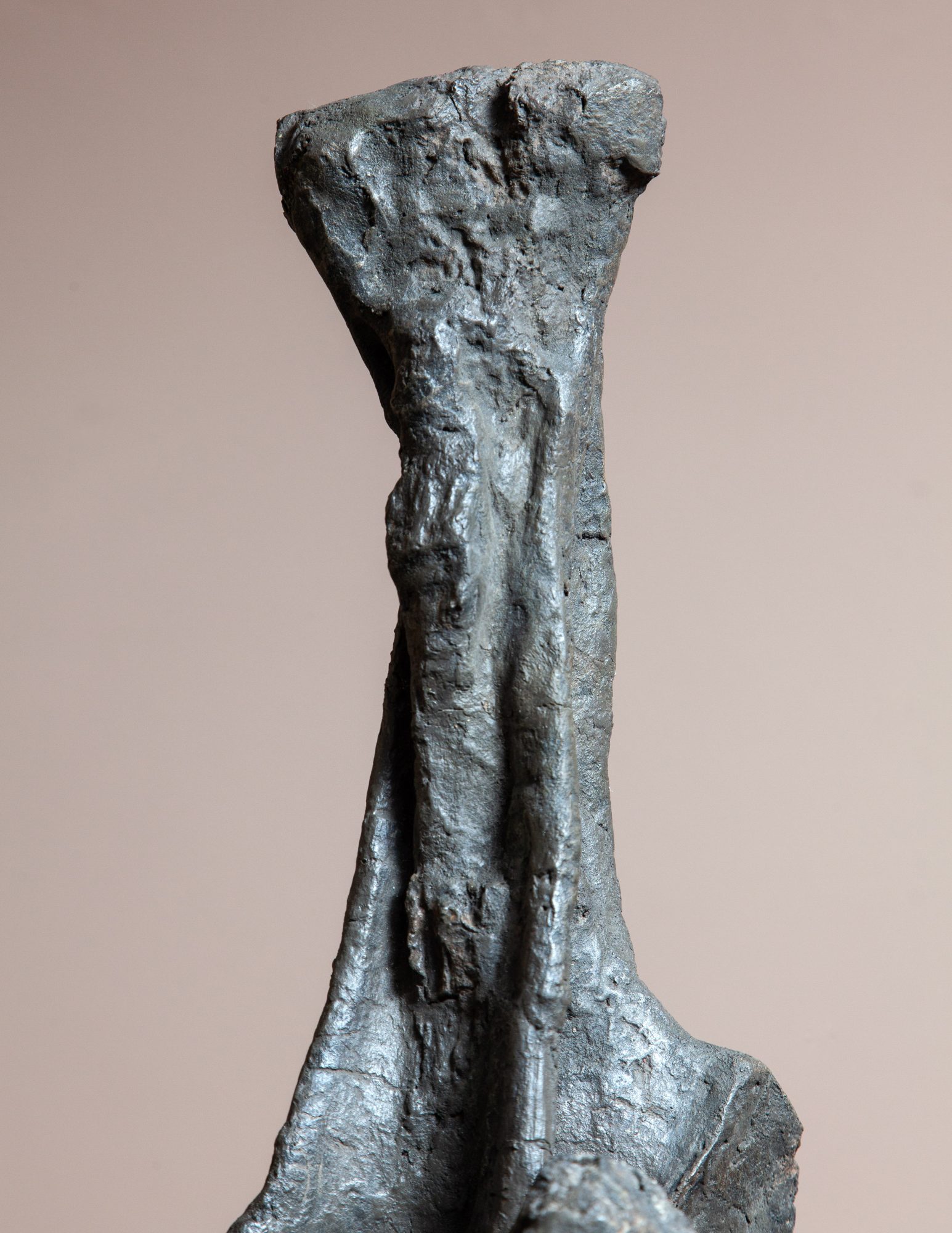
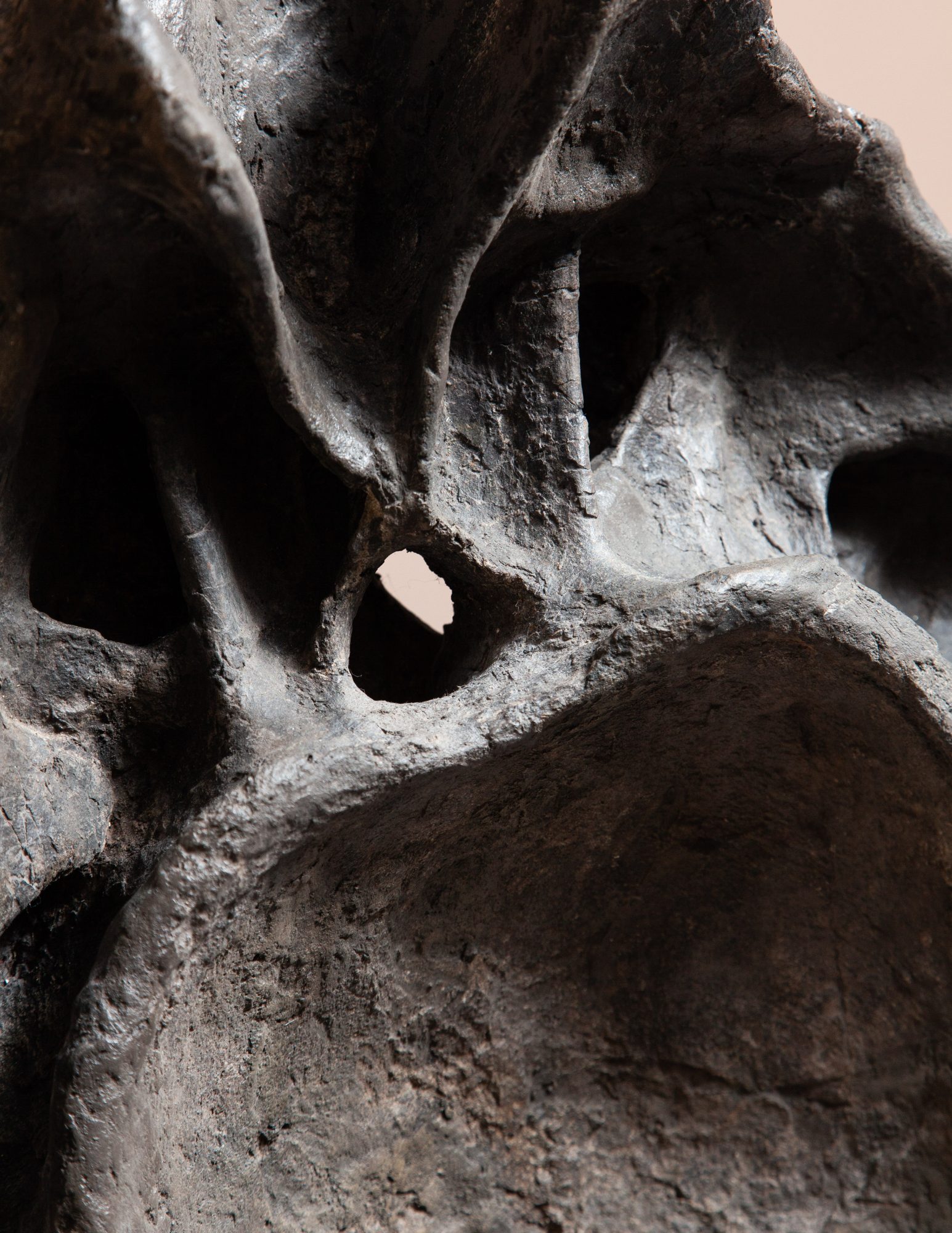
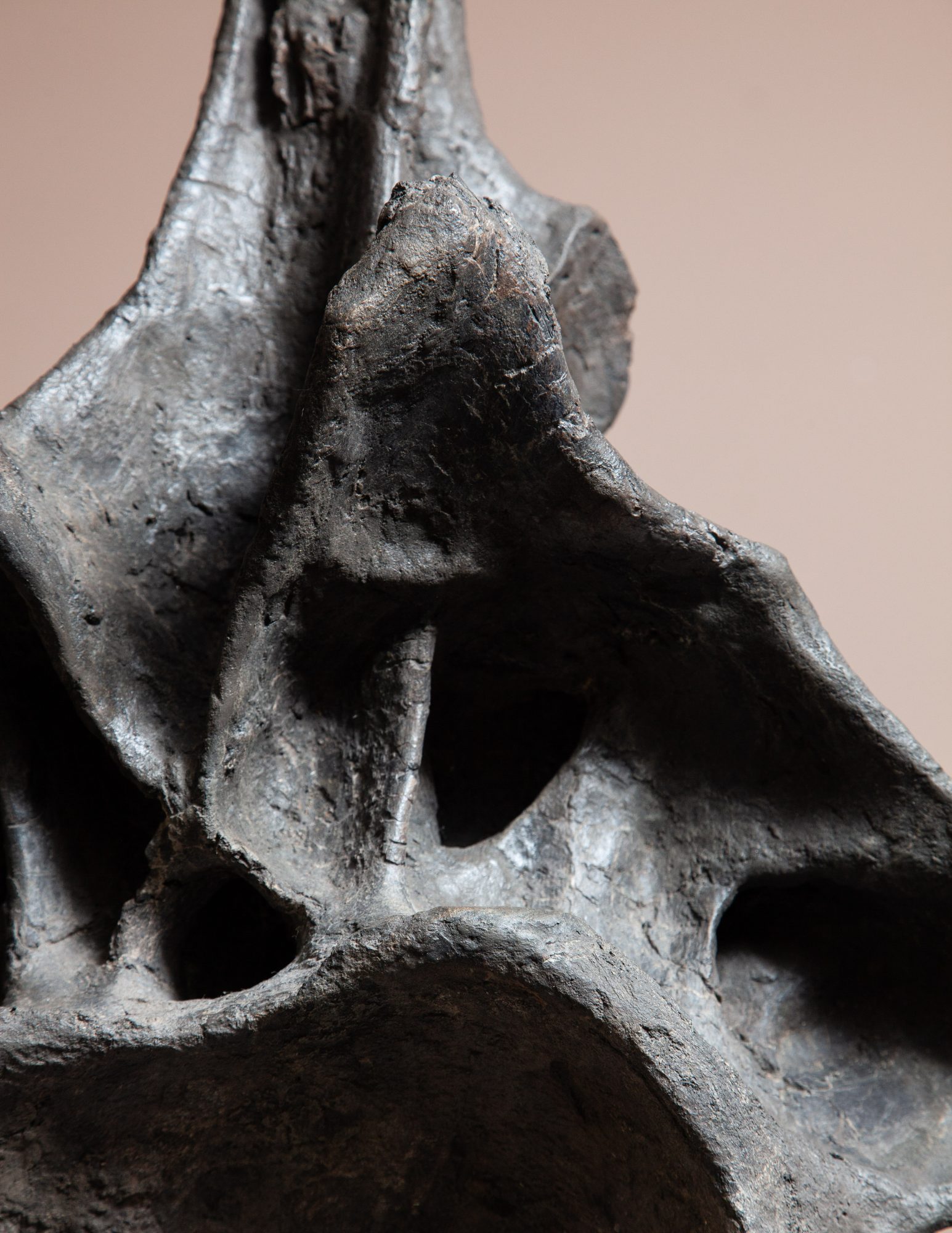
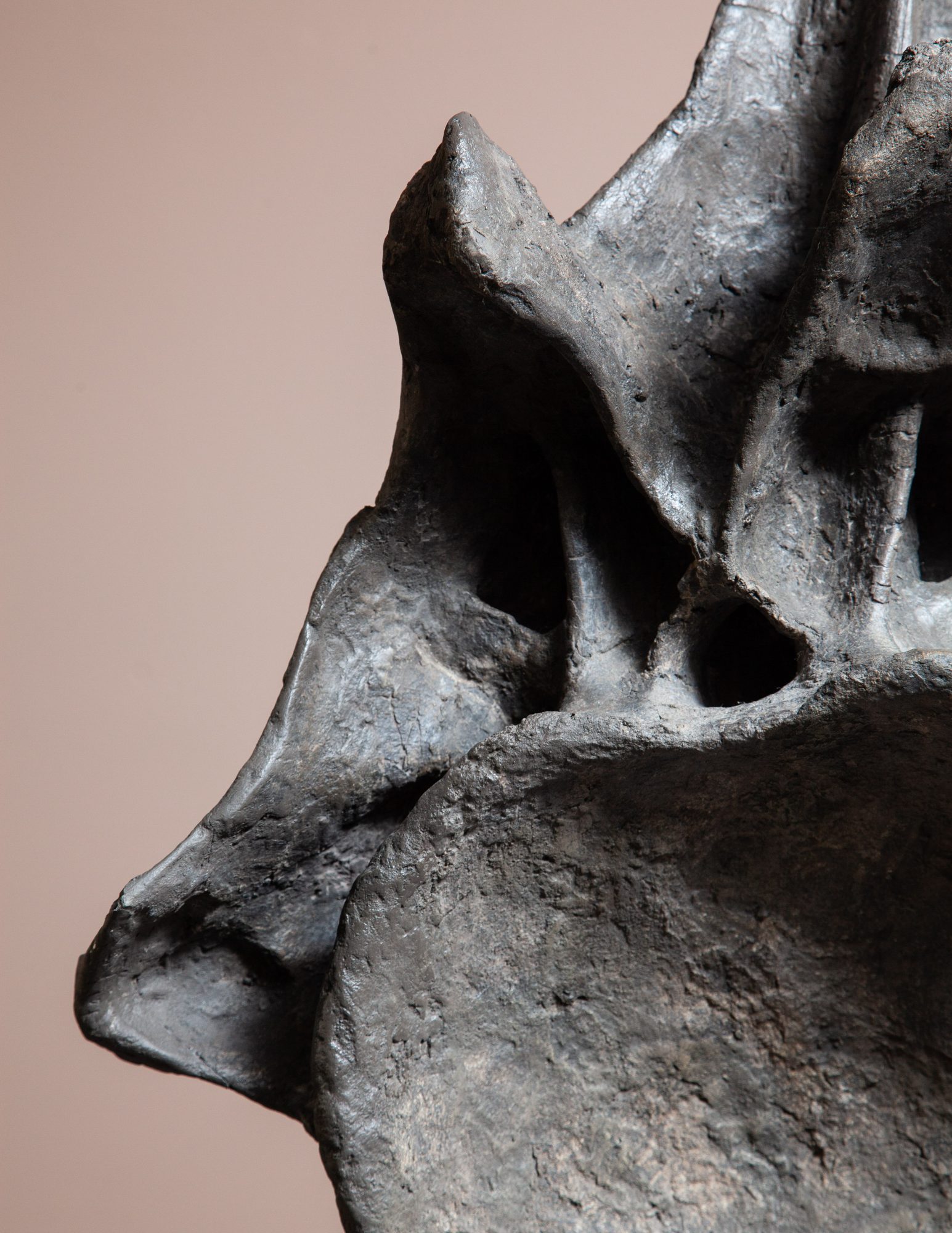
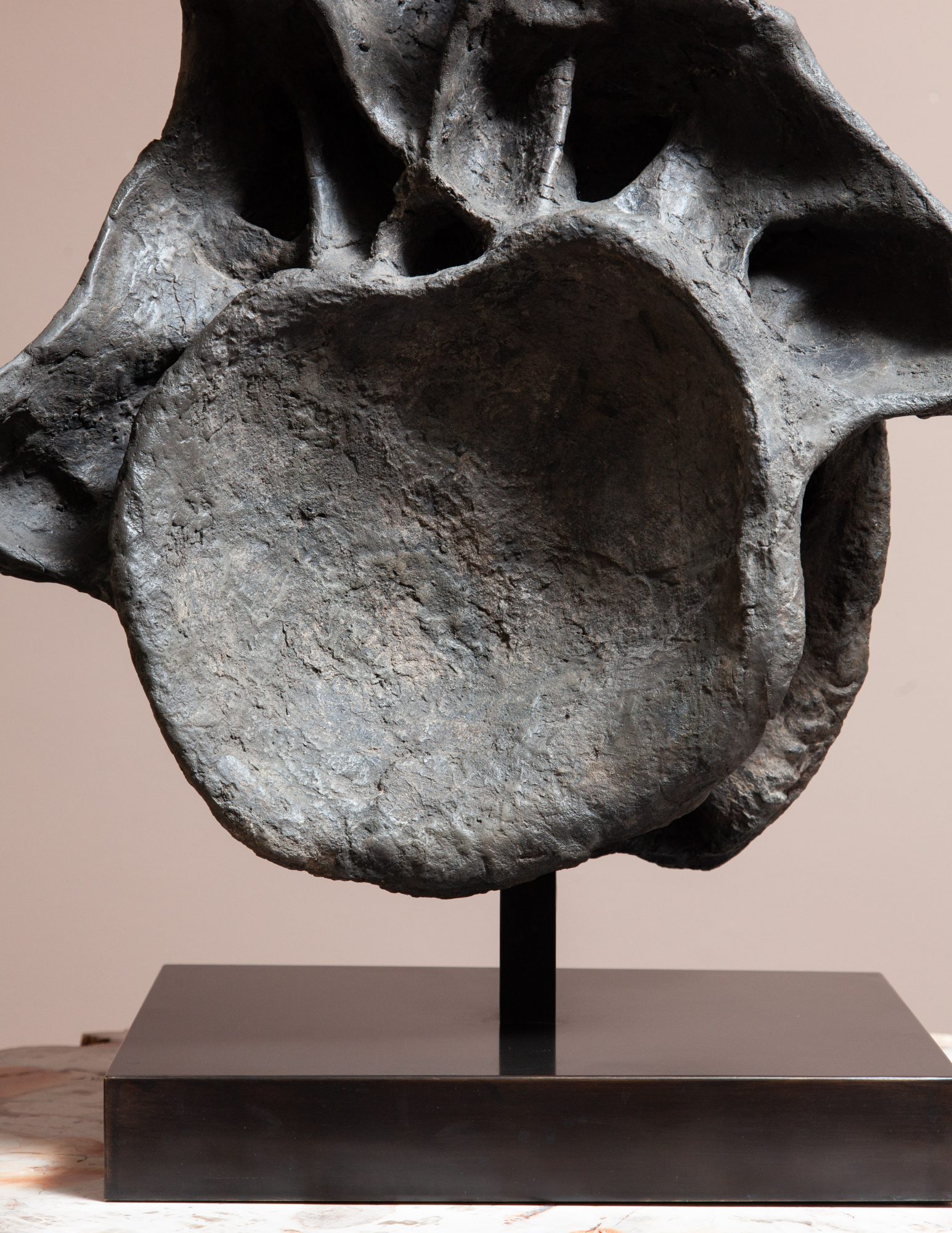
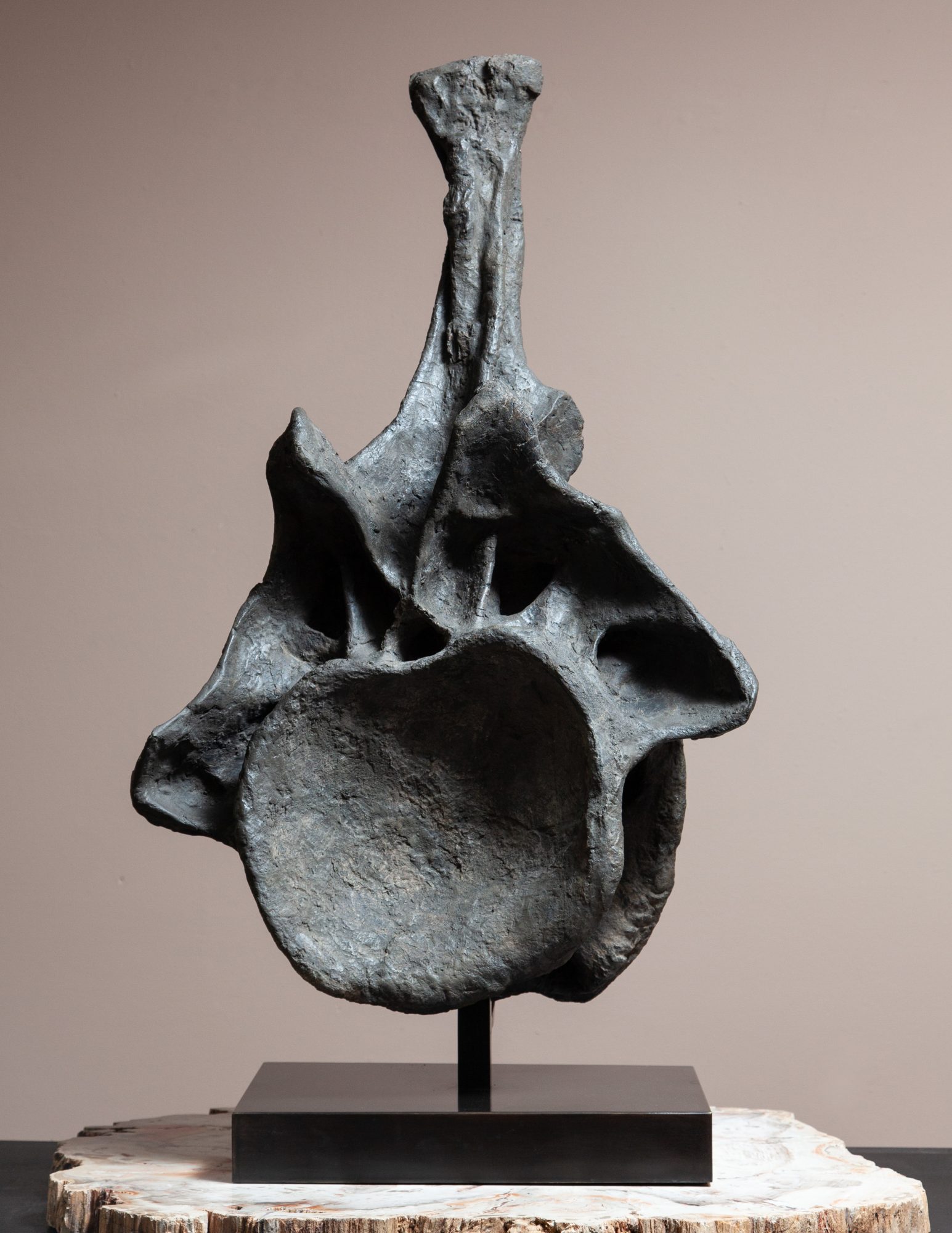
Apatosaurus was one of the classic Late Jurassic sauropods, renowned for its enormous body, long neck, and even longer whip-like tail. As a herbivore, it relied on a massive, pillar-like limb skeleton and a sturdy vertebral column to support its weight as it browsed trees and low-lying vegetation. Its vertebrae were highly modified for a balance between strength and lightness: many components were hollow or air-filled (pneumatized) to reduce weight without sacrificing structural integrity, a common adaptation among large sauropods. The vertebral centra were typically wide and columnar, and the neural arches and processes provided ample leverage for a strong, sweeping tail and a powerful gait suitable for slow, steady movement across floodplains and forested environments.
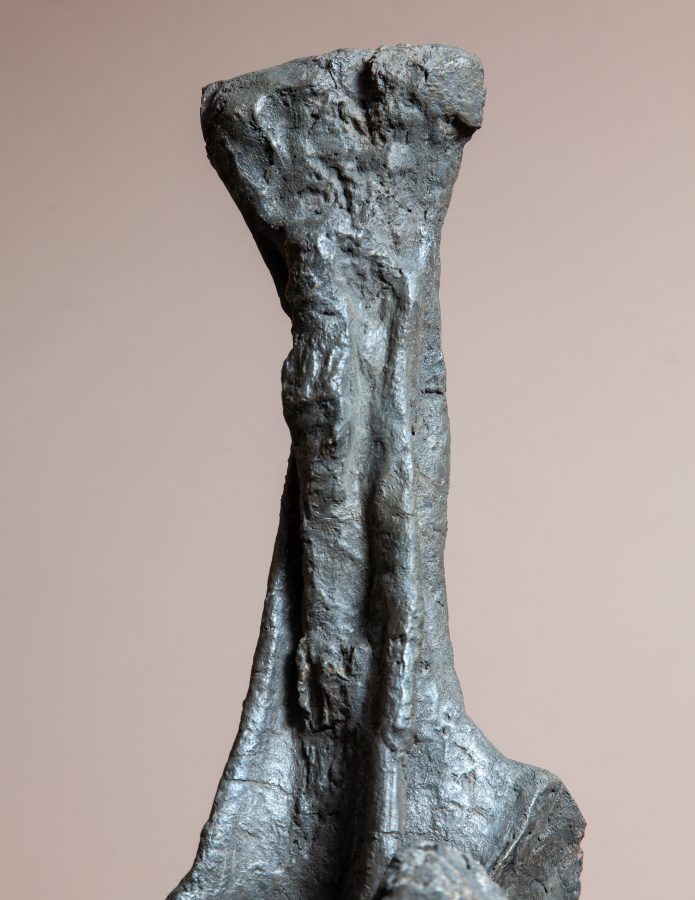
When it comes to vertebrae, Apatosaurus offers valuable clues about growth and biomechanics. The cervical (neck) vertebrae were elongated, supporting a high browsing posture while remaining flexible enough to move through a wide feeding envelope. The dorsal (back) vertebrae formed a robust, rib-supported ribcage that sheltered the lungs and helped anchor the massive neck and tail. In the tail, vertebrae became progressively lighter toward the end, with elongated chevrons and interlocking processes that contributed to tail rigidity and whipping capability for defense or communication. The fusion patterns of the vertebrae, along with the surrounding laminae and fossae, reveal how the animal maintained a stable, strong spine capable of bearing substantial stresses from walking, turning, and lifting its massive head.