| Location: | Mexico |
|---|---|
| Age: | 70 Million Years (Cretaceous) |
| Size: | H233cm W158cm D109cm |
| Price: | P.O.A |
| Availability: | Available | Enquire |
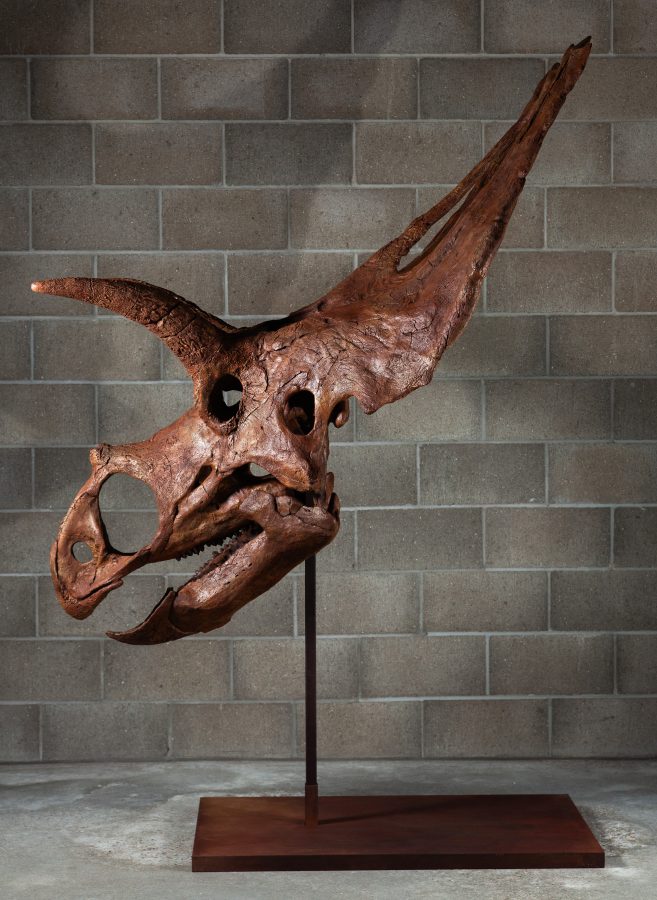
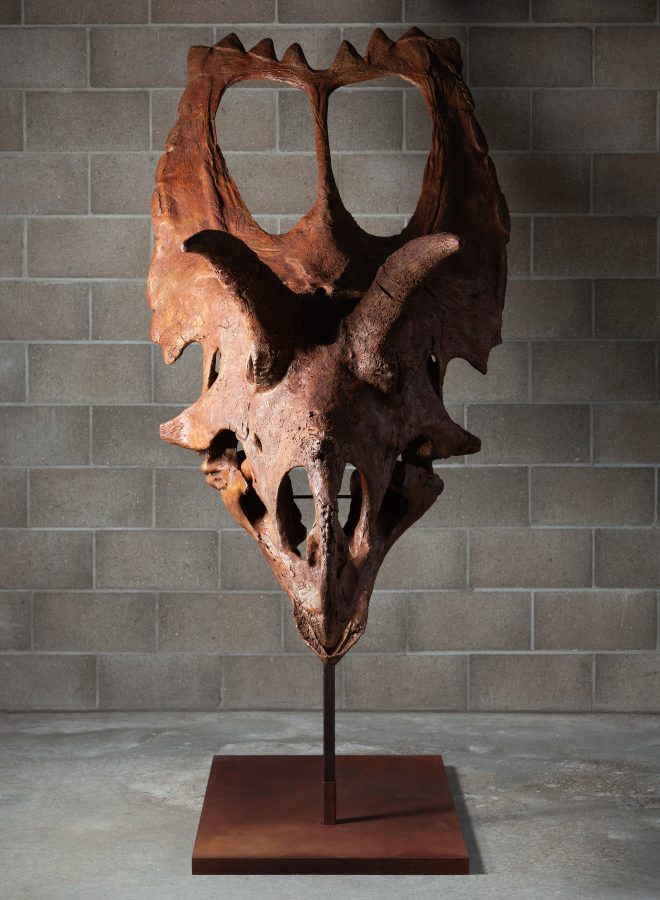
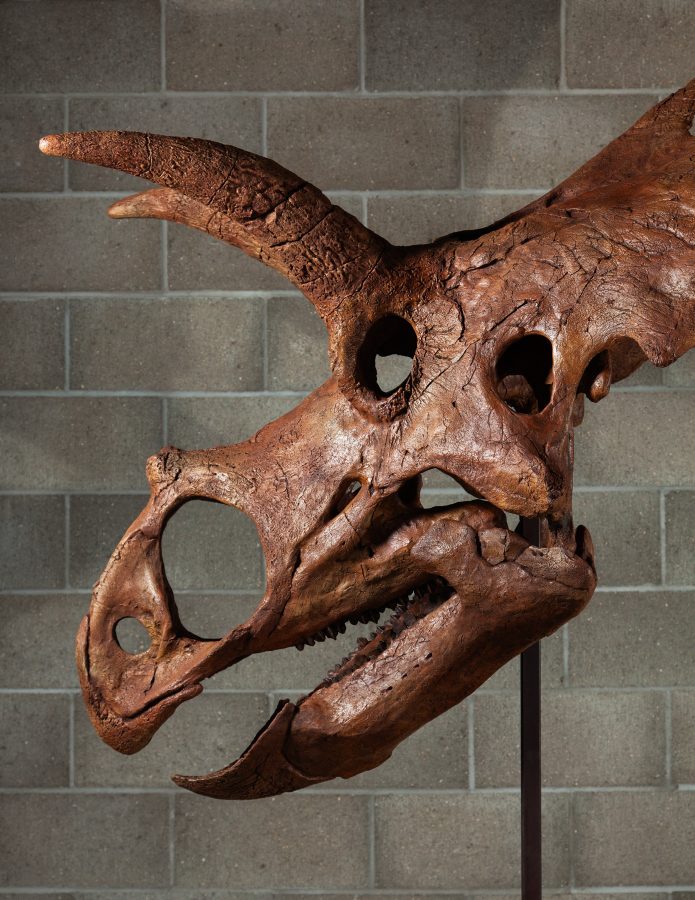
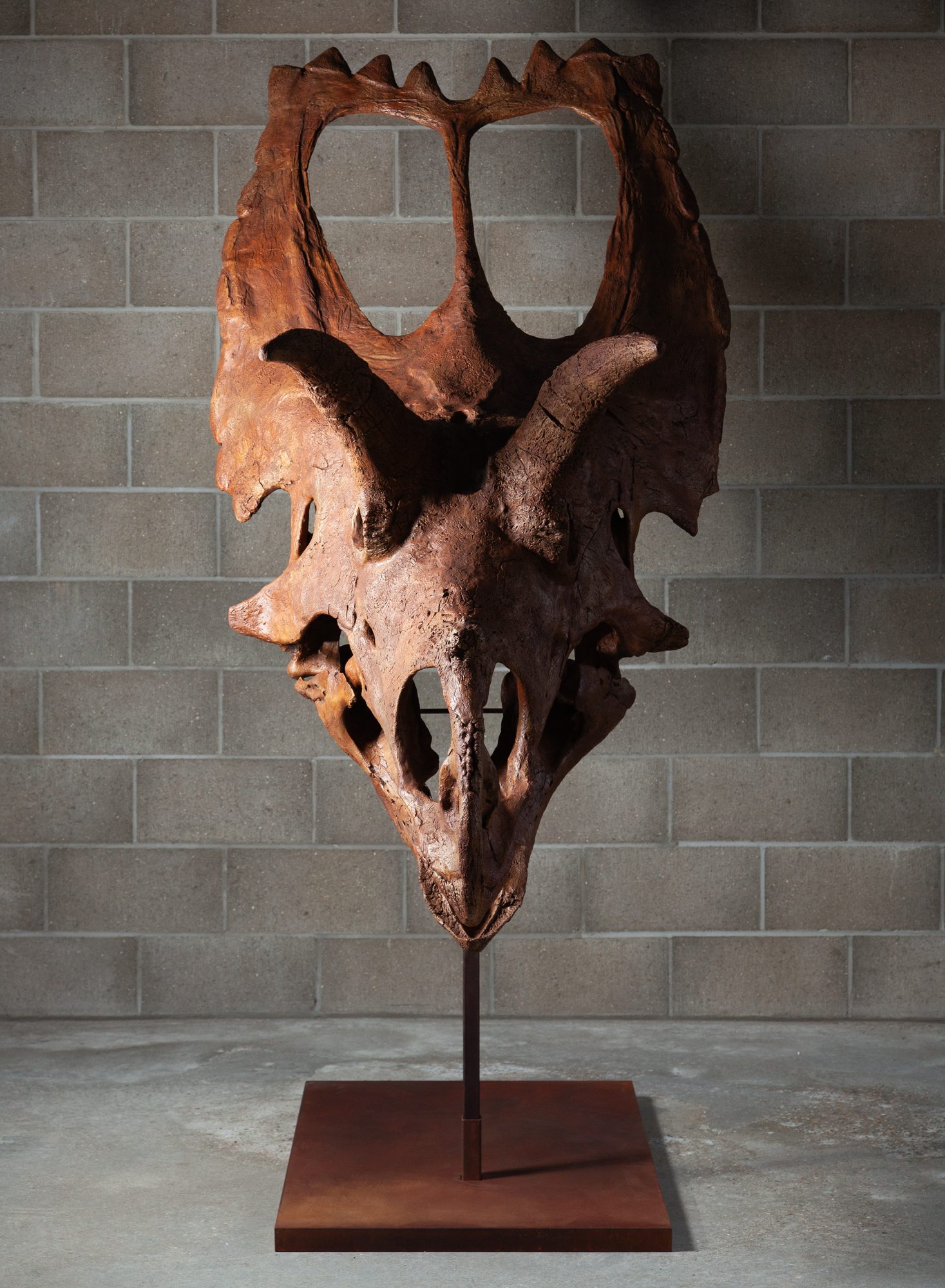
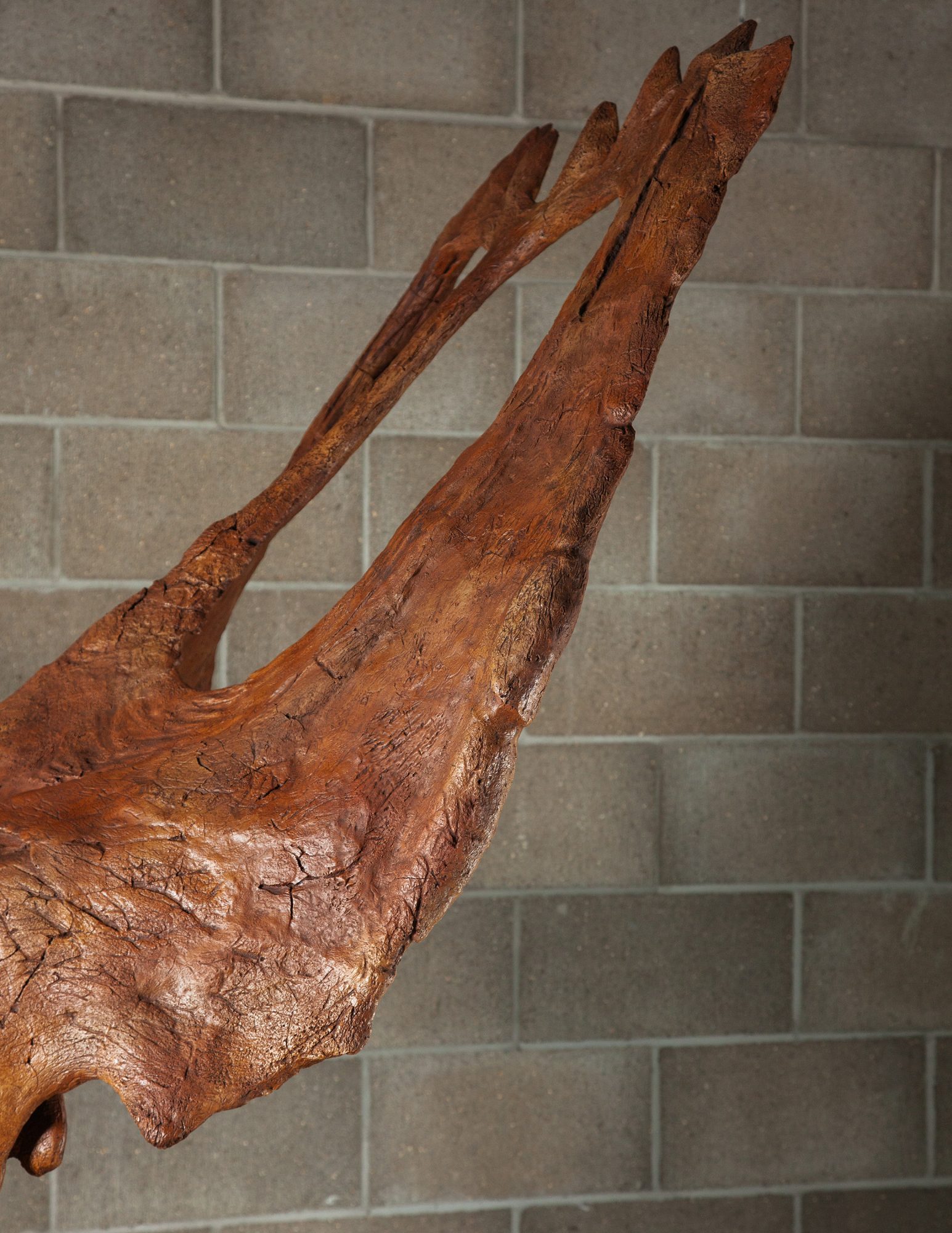
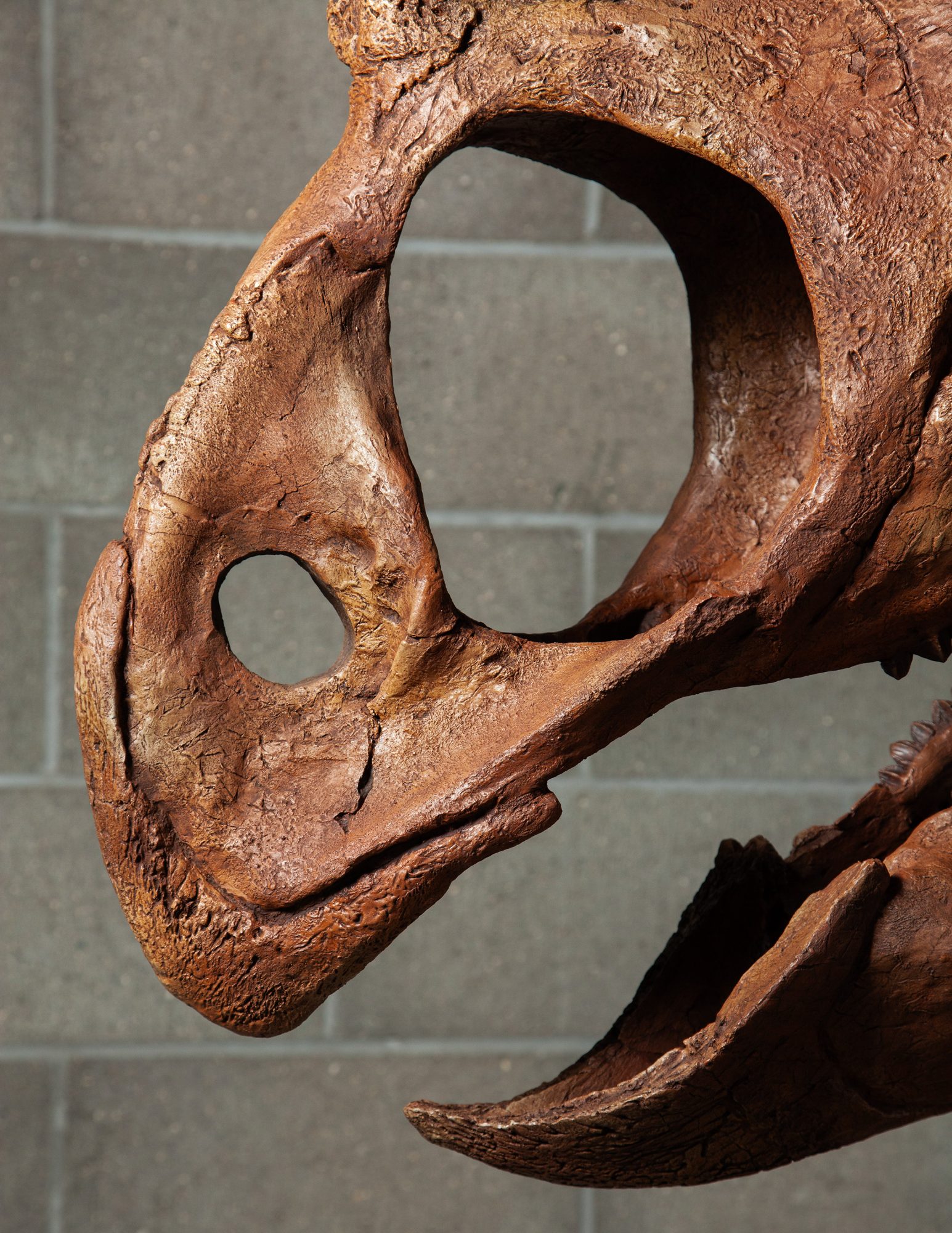
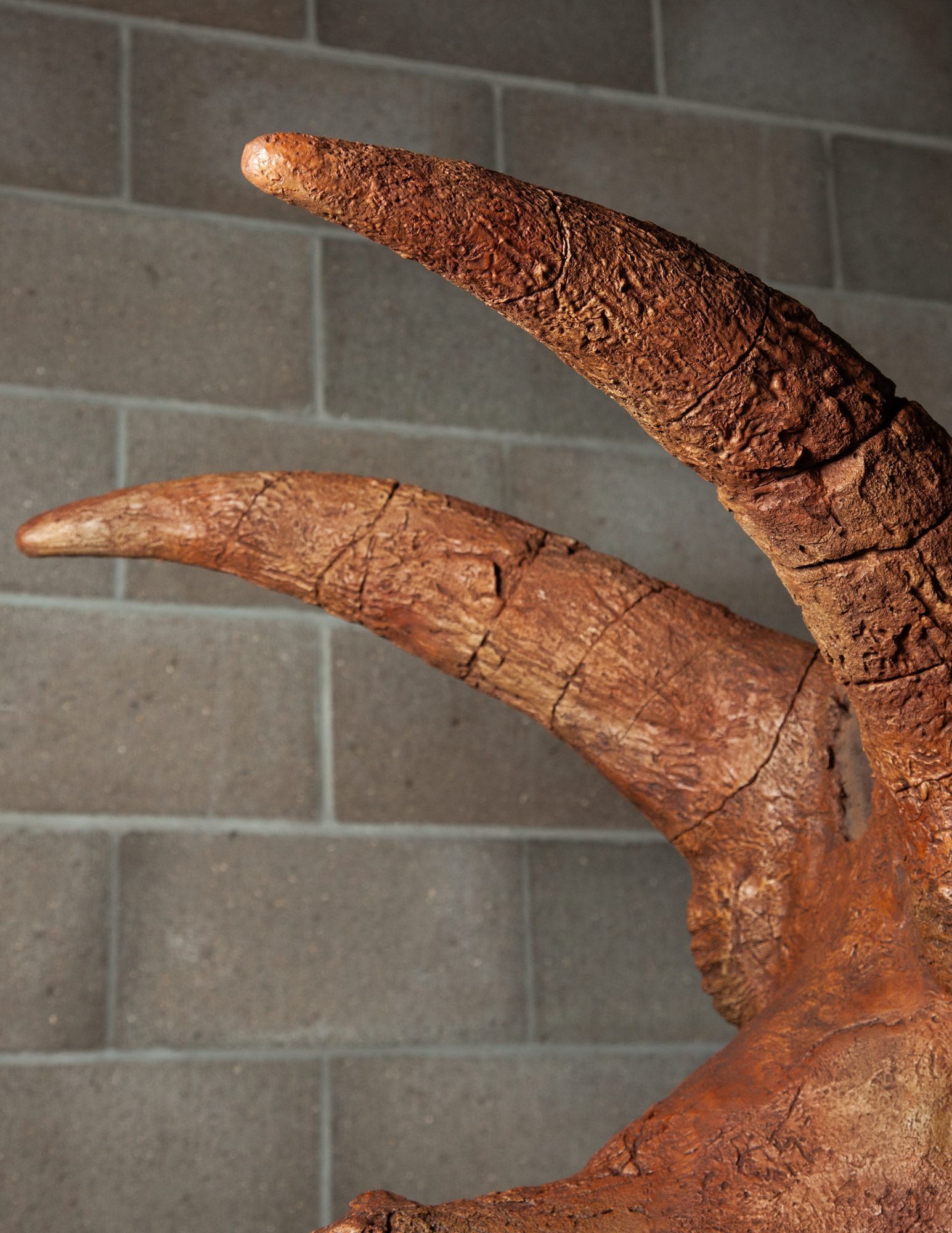
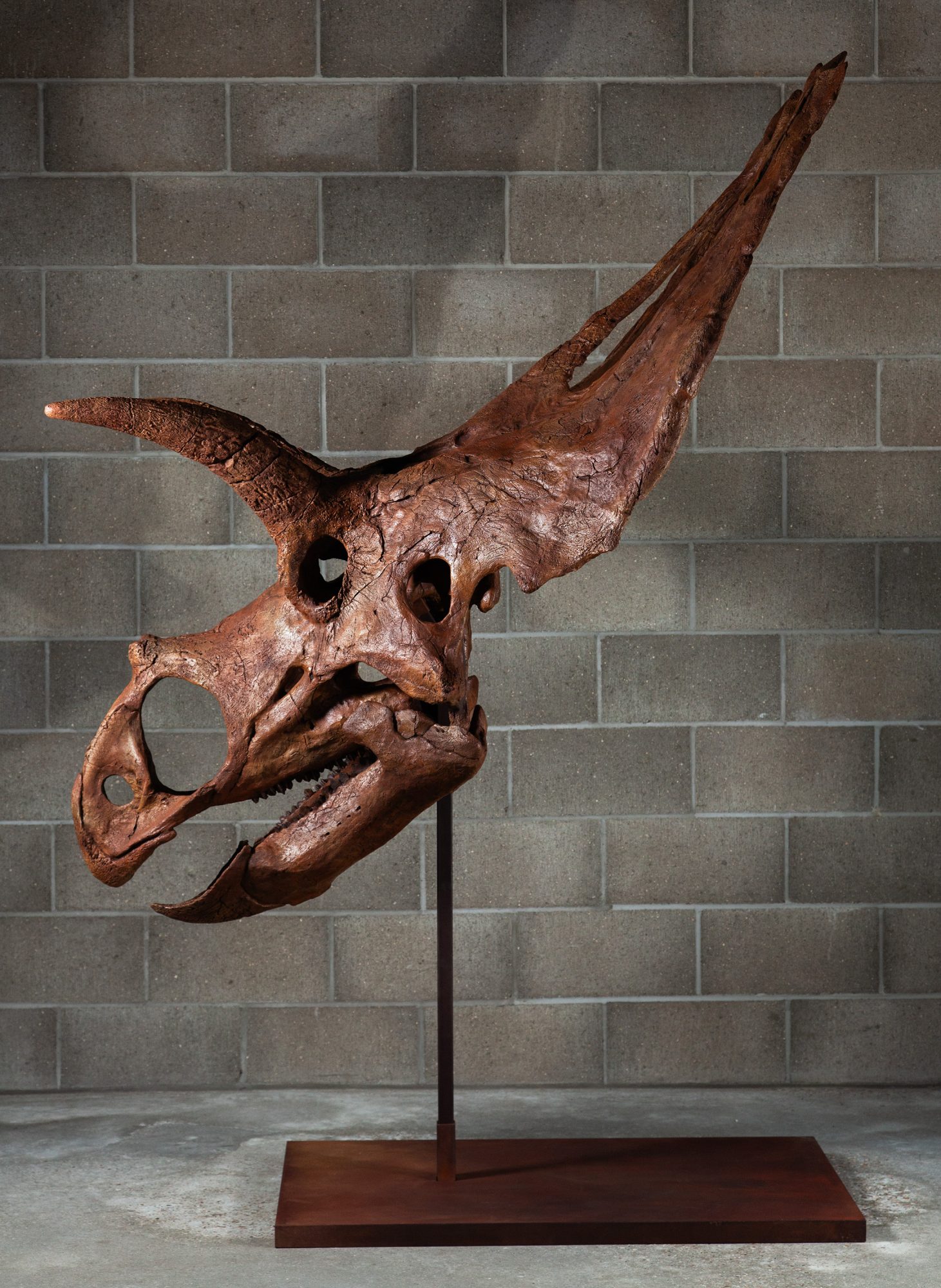
A hand painted Museum Grade cast taken from the original fossil.
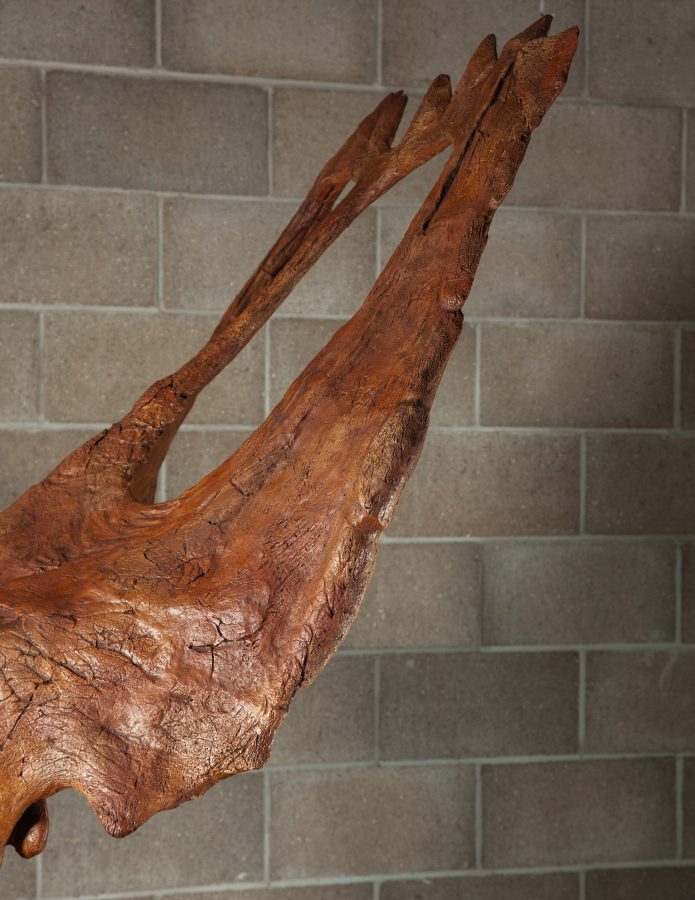
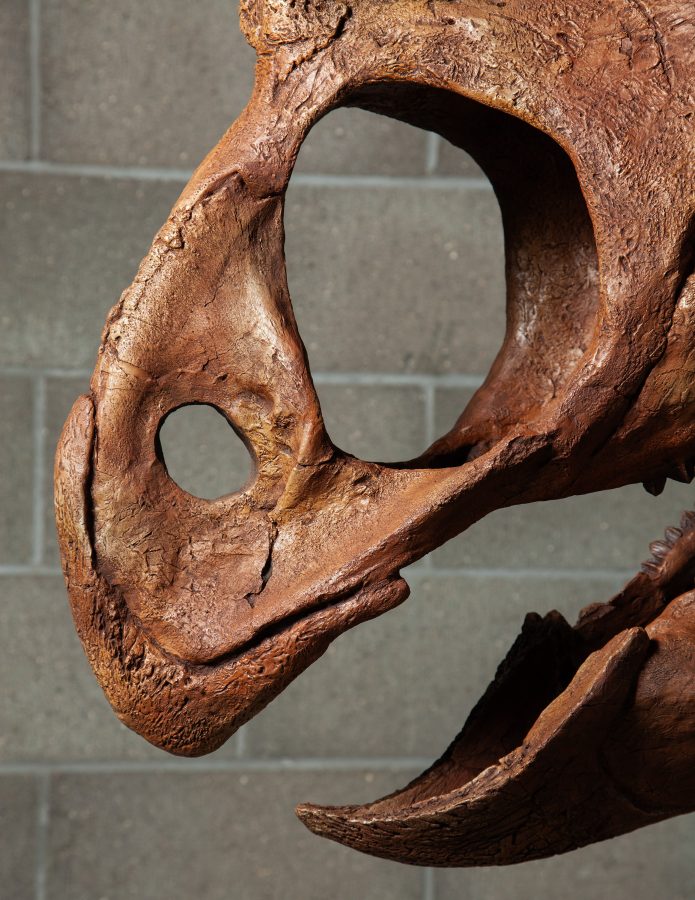
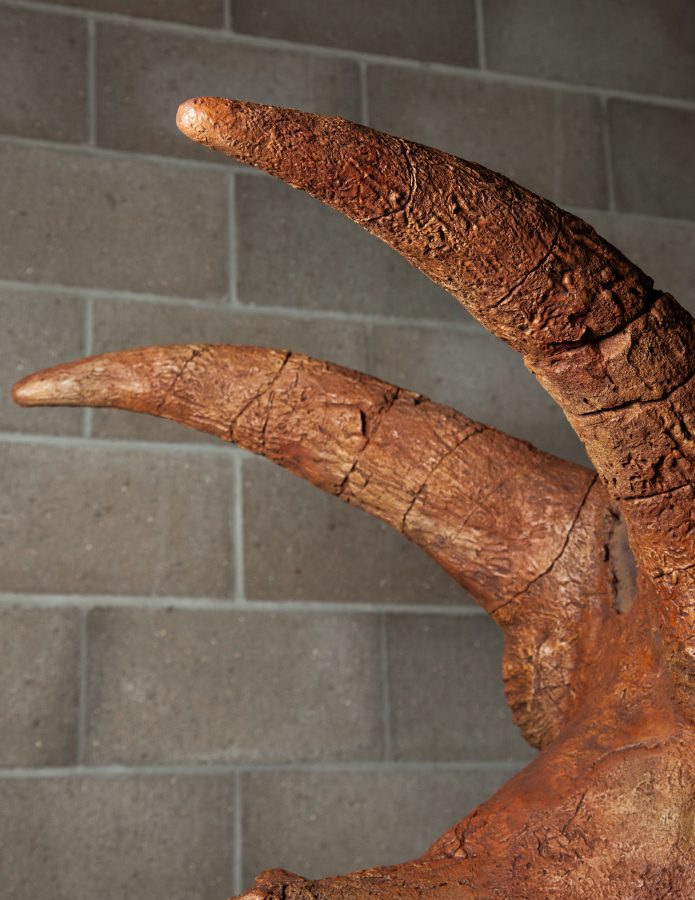
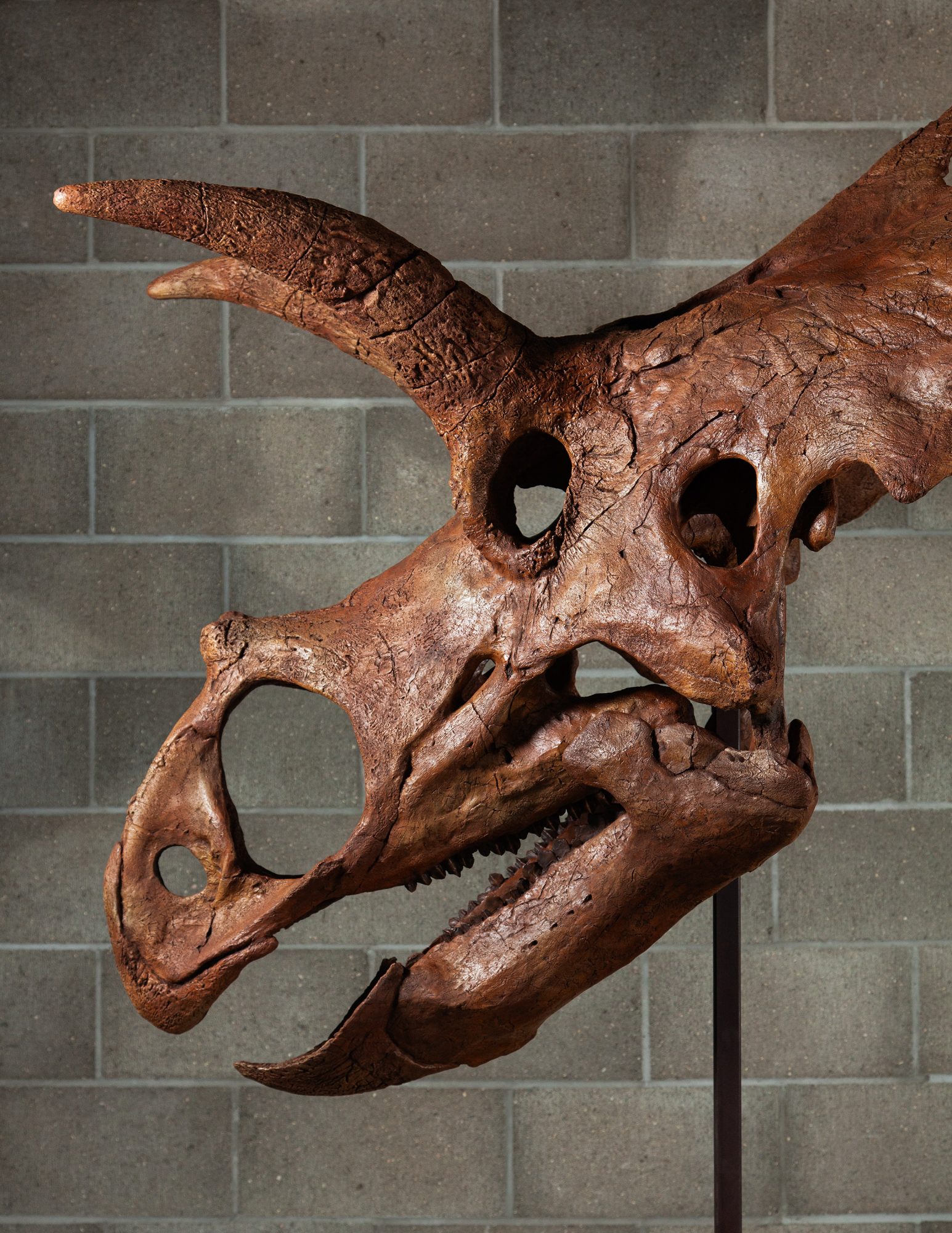
Coahuilaceratops magnacristatus stands as a key link in the ceratopsid family tree, highlighting how this group diversified beyond the better-known Triceratops. In life, it shared the ceratopsian blueprint—a sturdy beak, shearing teeth, a broad frill, and facial horns—yet it bore a distinctive regional expression. Its skull shows a compact, powerful build with ornamentation that reflects a lineage expanding across geographies, suggesting similar ecological roles to Triceratops: a formidable, vegetation-feeding herbivore capable of defense and social display within herds. The specimen invites comparison to Triceratops, offering a vivid illustration of how a single ancestral plan can branch into varied forms across different environments.
In Coahuila’s ancient landscapes, Coahuilaceratops inhabited ecosystems that paralleled, yet diverged from, the northern ceratopsid corridors. Its anatomy implies a life of steady browsing and social interaction, with a frill and horns likely used for recognition and deterrence rather than mere ornament. By foregrounding its ties to Triceratops, this exhibit underscores a shared evolutionary heritage while emphasising regional adaptation—the frill’s shape, horn layout, and body proportions marking a lineage that mirrors the broader ceratopsid story. Together, the two genera illuminate how a common design evolved into multiple, regionally distinct forms that still resonate with the familiar silhouette of one of the Cretaceous’s most iconic herbivores.