| Location: | Northern France |
|---|---|
| Age: | 30 Million Years (Oligocene Era) |
| Size: | H54cm W56.5cm D24cm |
| Price: | P.O.A |
| Availability: | Available | Enquire |
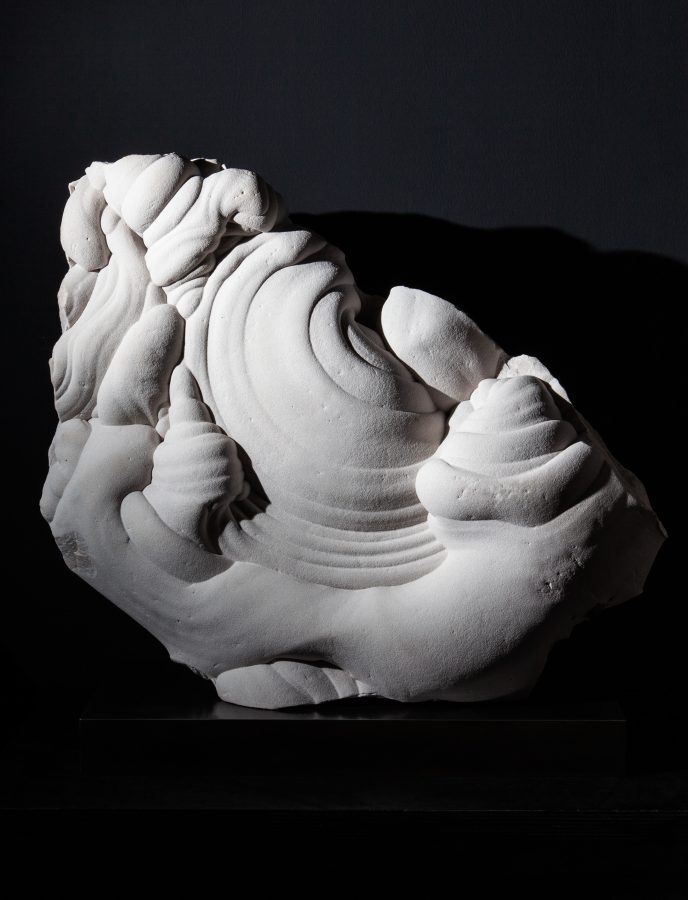
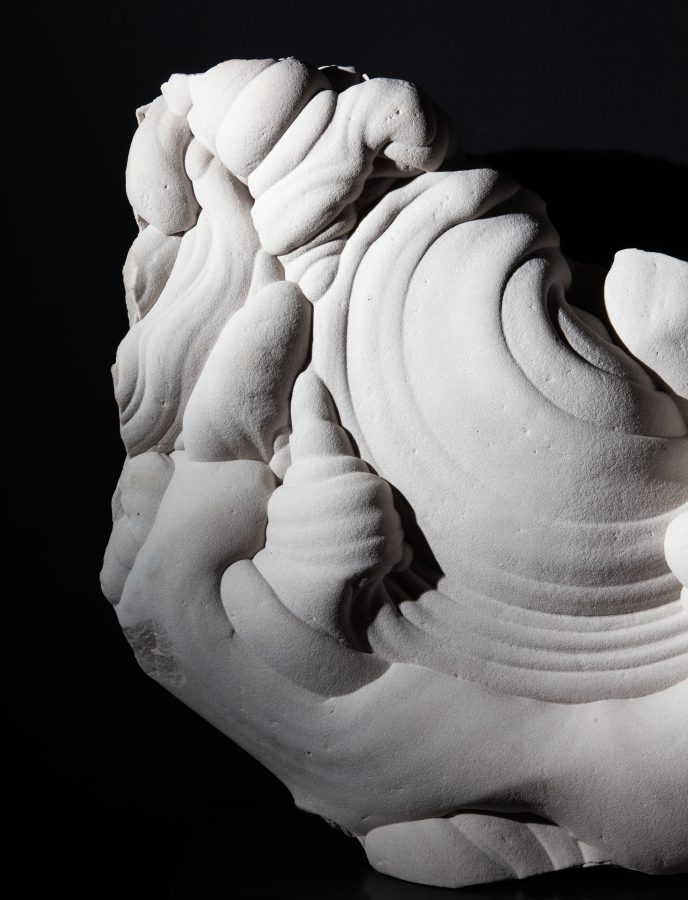
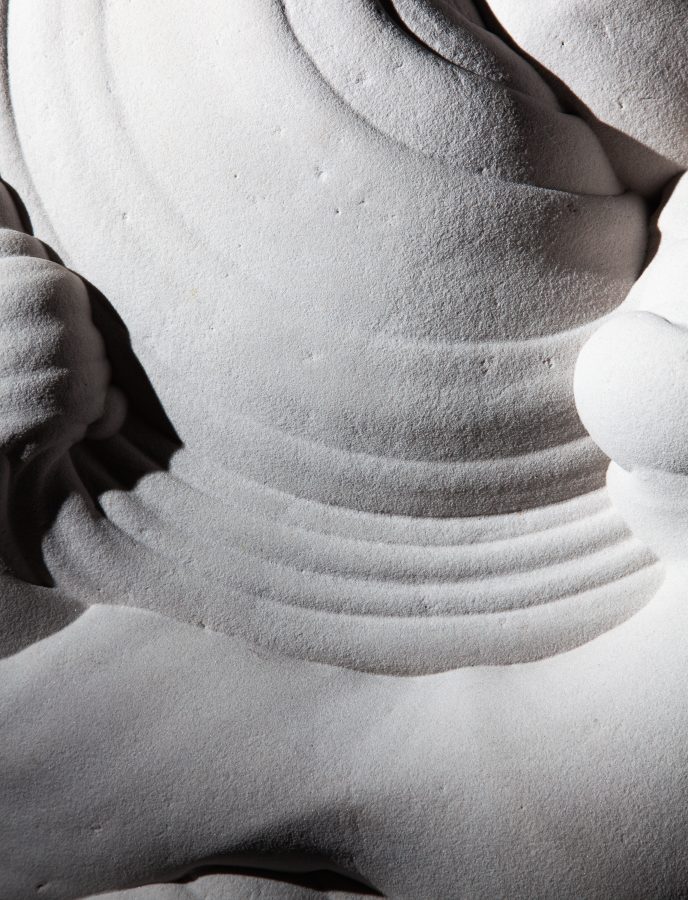
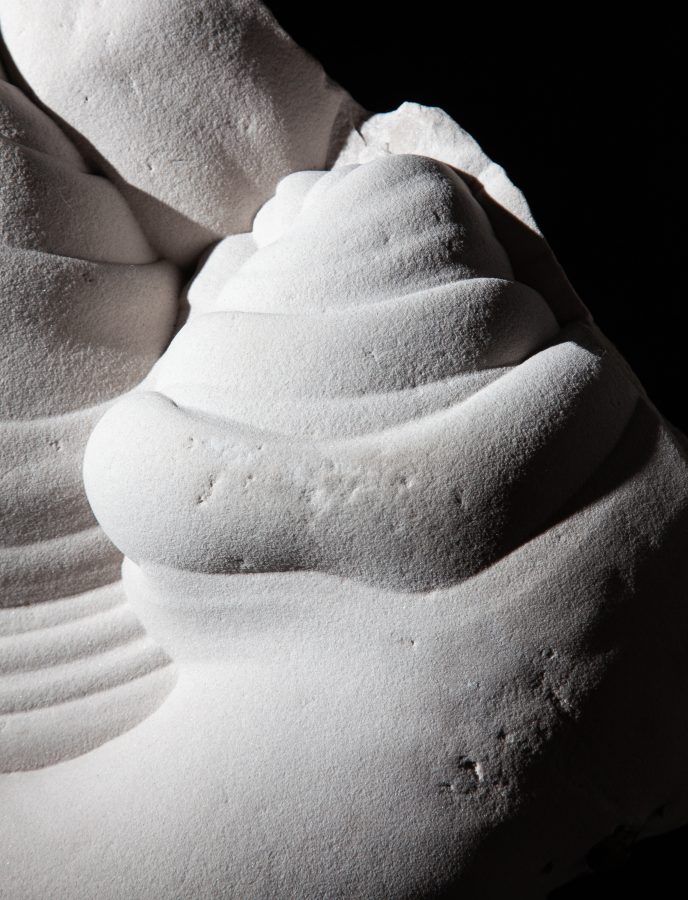
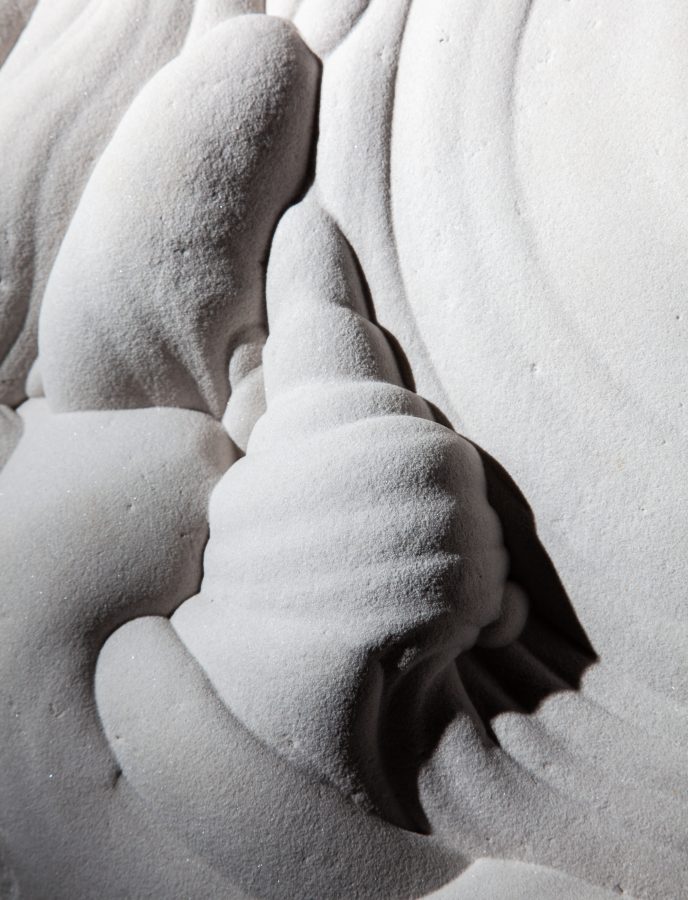
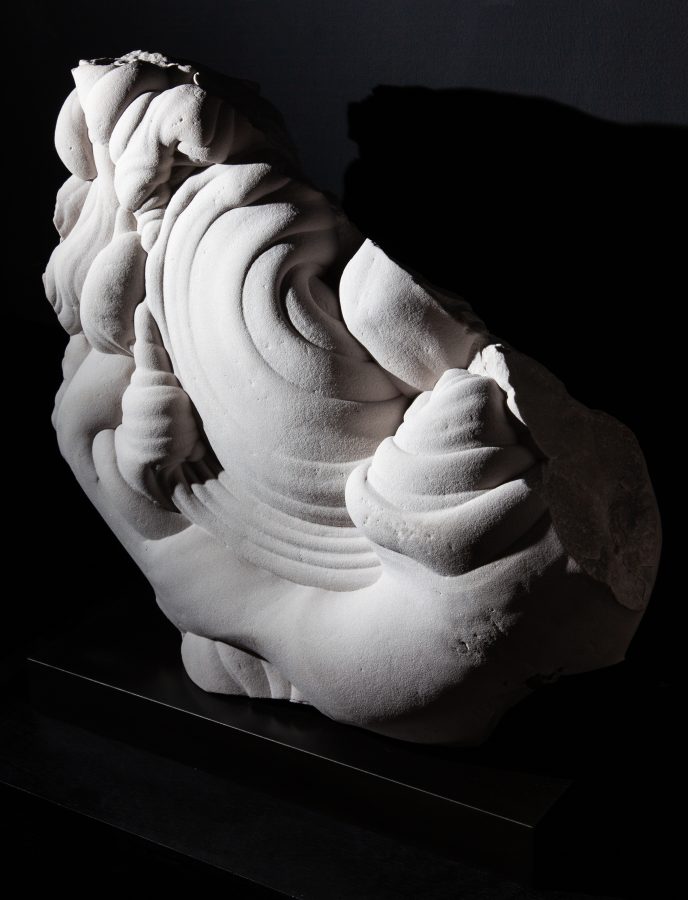
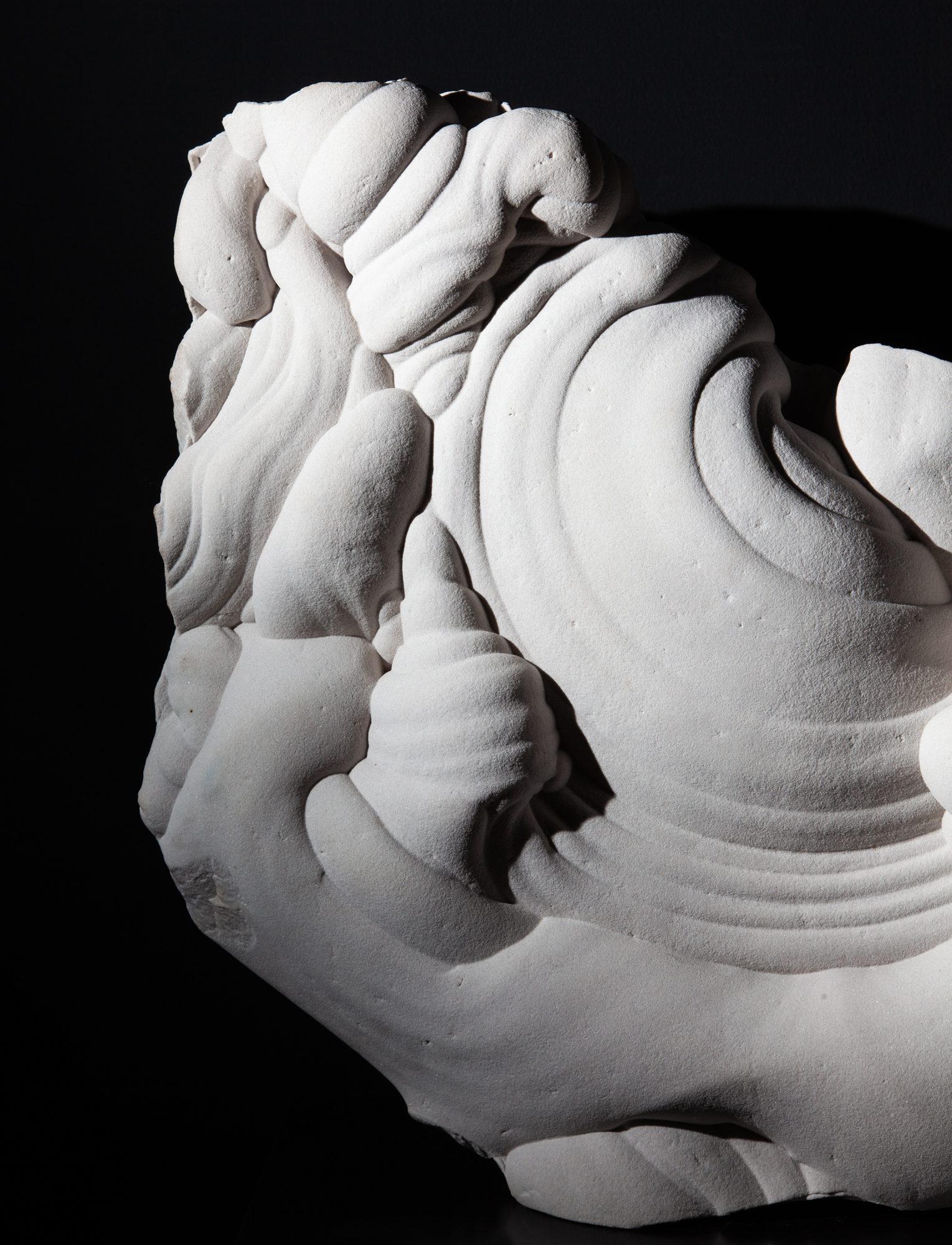
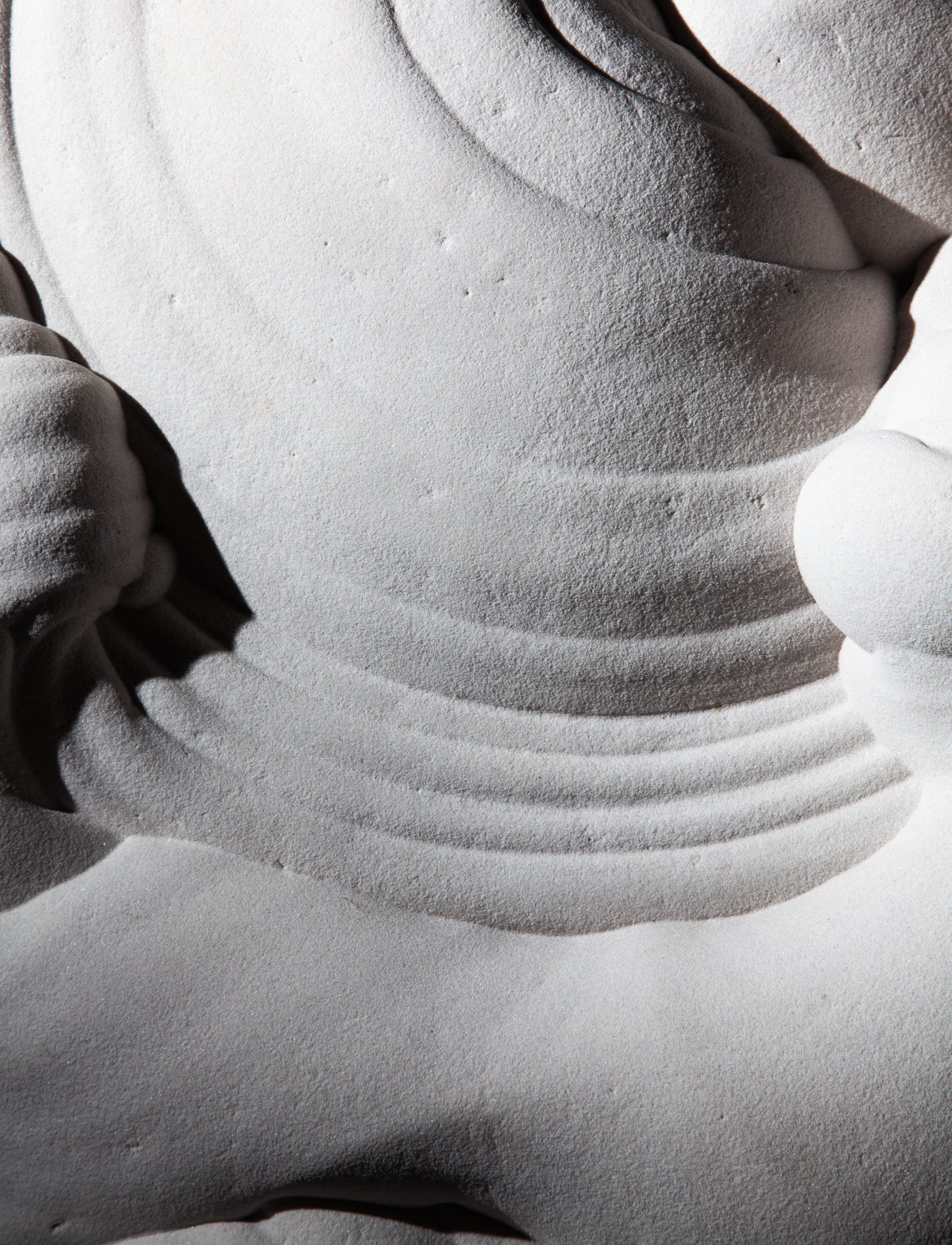
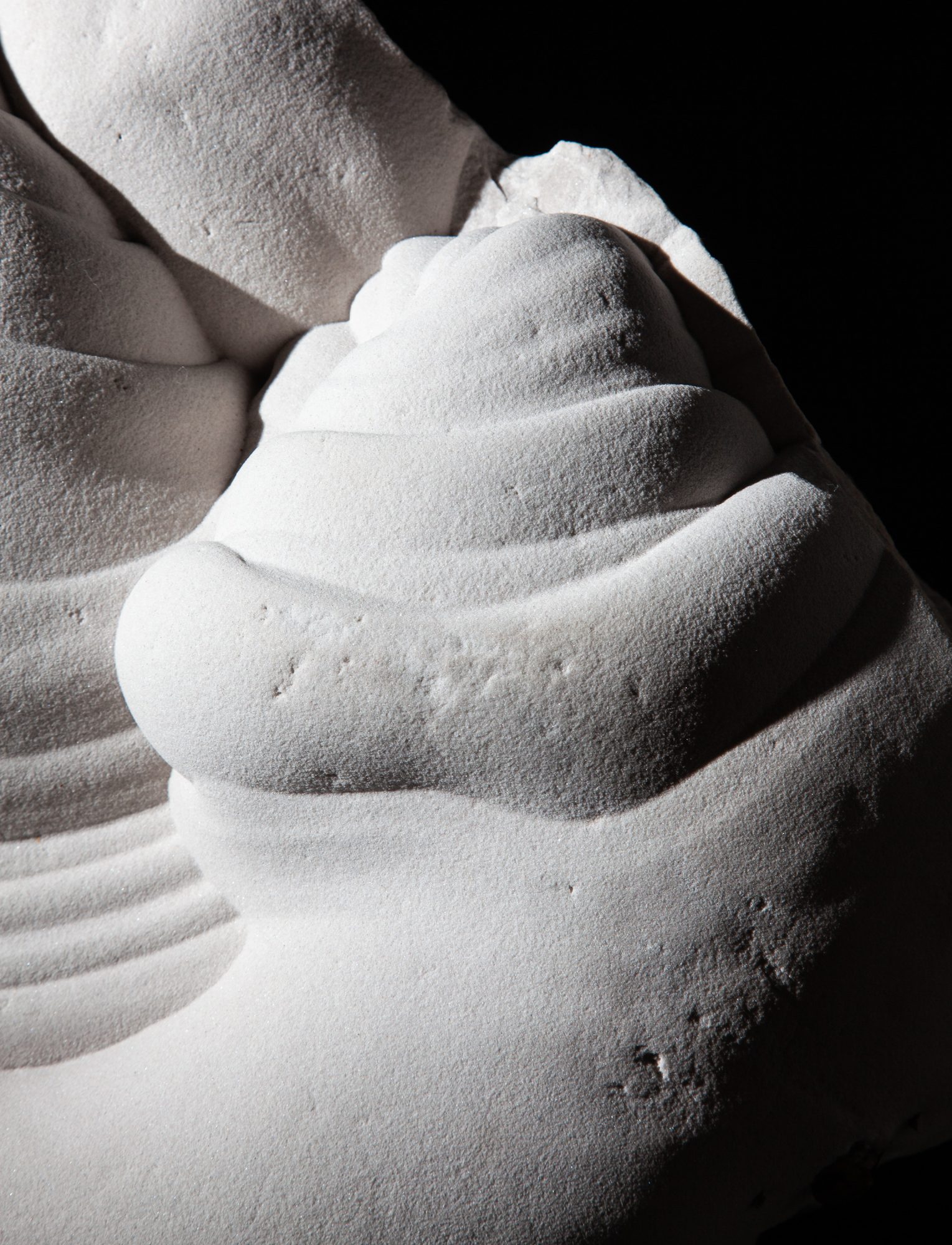
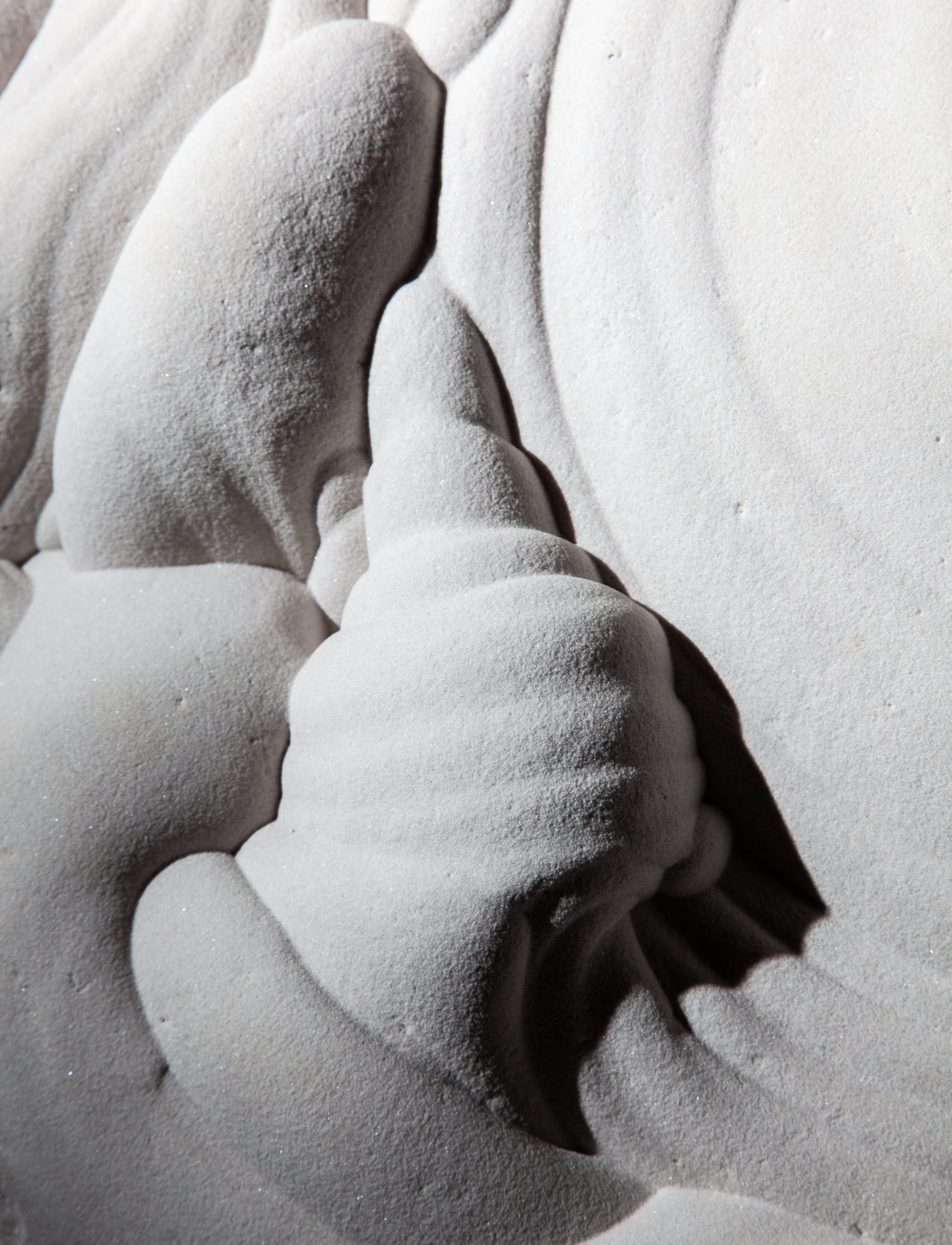
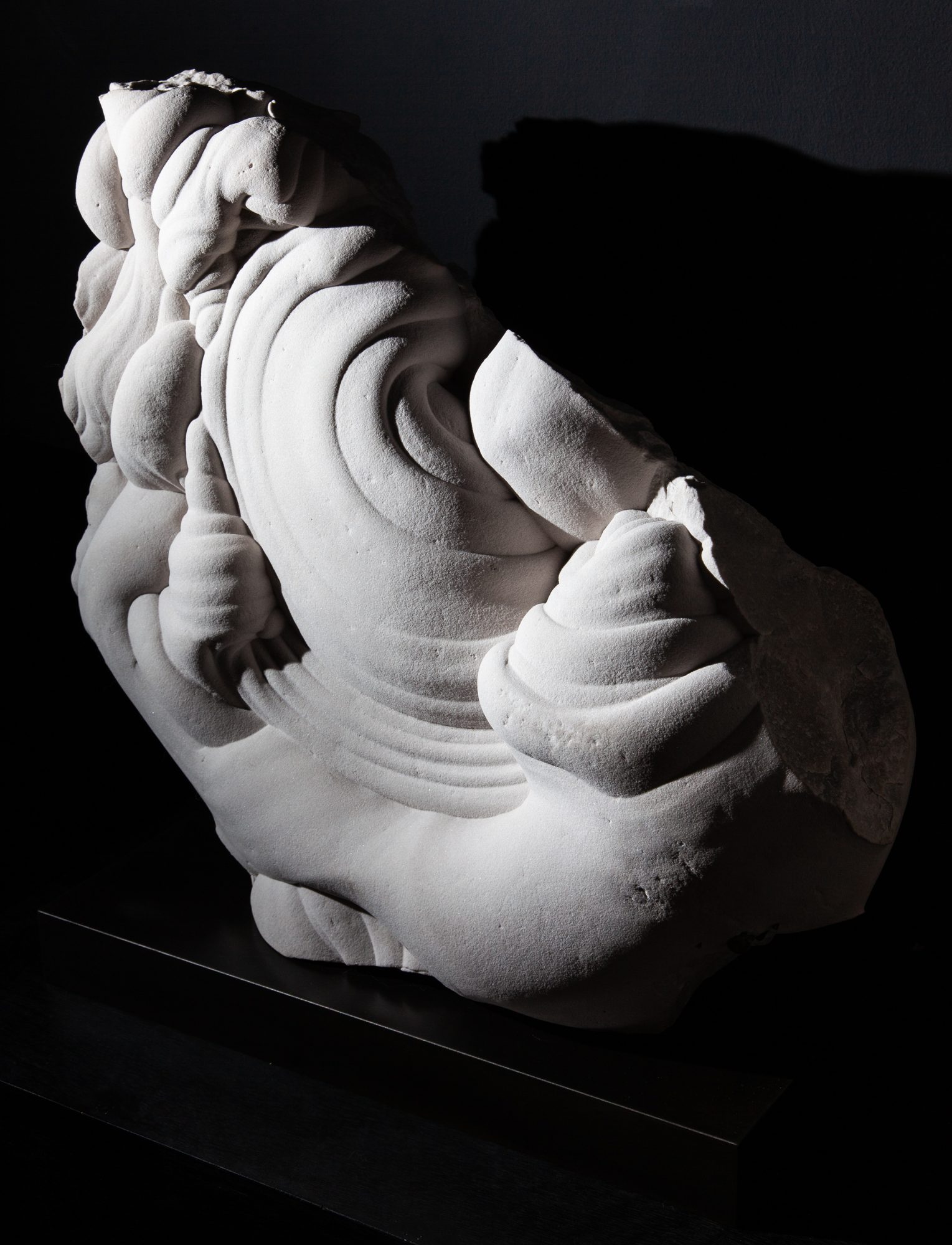
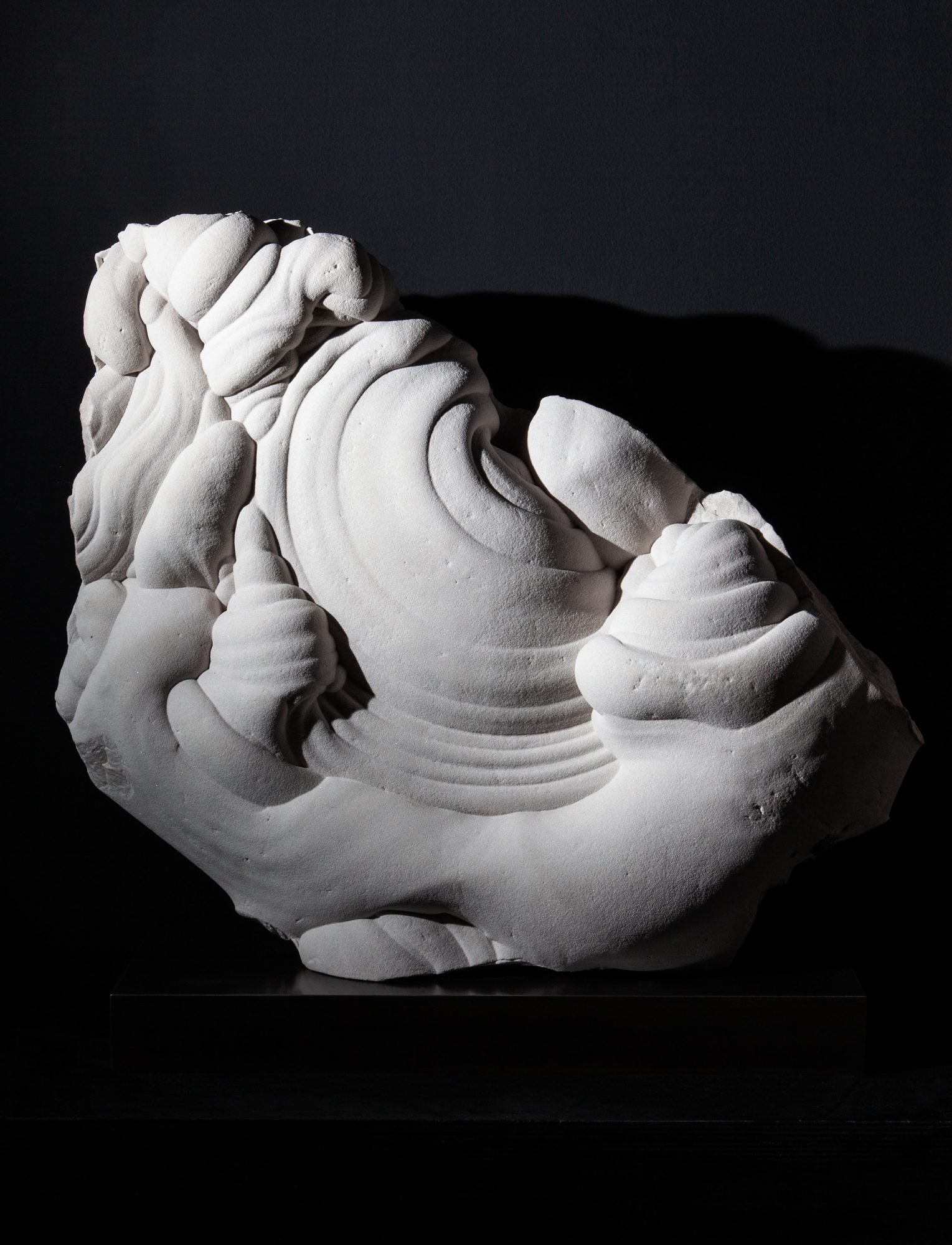
Gogottes stand among France’s most captivating mineral sculptures. Once believed to be chalk-based, they are, in reality, the rare offspring of calcium carbonate intimately entwined with extremely fine quartz grains. Each layered formation emerges from Fontainebleau’s mineral-rich waters, shaping silhouettes that recall clouds and dreamlike imagery. The mineralization unfolds over tens of millions of years, yielding pieces that are as unique as fingerprints. They sit at the intersection of geology and artistry, often likened to sandstone analogues of the Gongshi, the scholar’s rocks admired in East Asian tradition.
These sandstone concretions enjoy a distinguished international reputation and a centuries-long history of fascination. By the late 1600s, gogottes had already earned praise from France’s elite for their beauty. Louis XIV, the Sun King, was so enthralled that he commissioned extensive excavations around Fontainebleau to adorn his palace gardens. Today, gogottes continue to embellish celebrated sites such as L’Encelade, Les Trois Fontaines, and La Salle de Bal at Versailles, inviting visitors to experience their timeless charm as they have for generations.
The influence of gogottes extends beyond geology into the worlds of art and design. Their organic forms, radiant pale surfaces, and unanticipated shapes inspired modern sculptors across the 19th and 20th centuries, from impressionists to surrealists, who found in them a wellspring of abstraction and wonder. Notable examples—ranging from Henry Moore’s recumbent-inspired works to Jean Arp’s delicate white sculptures and Louise Bourgeois’s Cumul I—echo the same sense of surprise that gogottes provoke. In contemporary museums, a sizable intact specimen remains a rare treasure, especially those with pristine, milky-white surfaces unmarred by blemish.