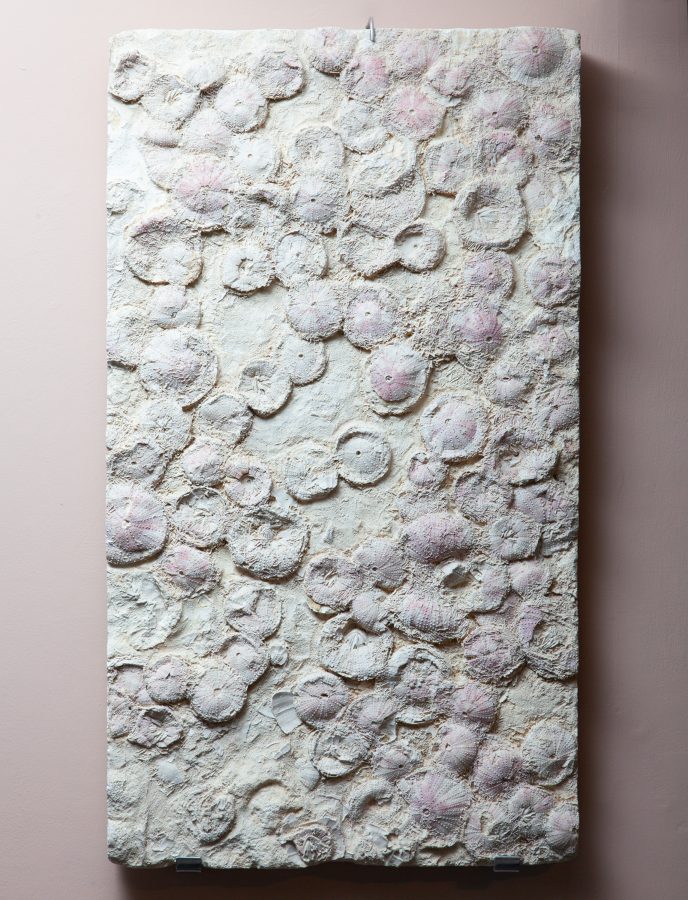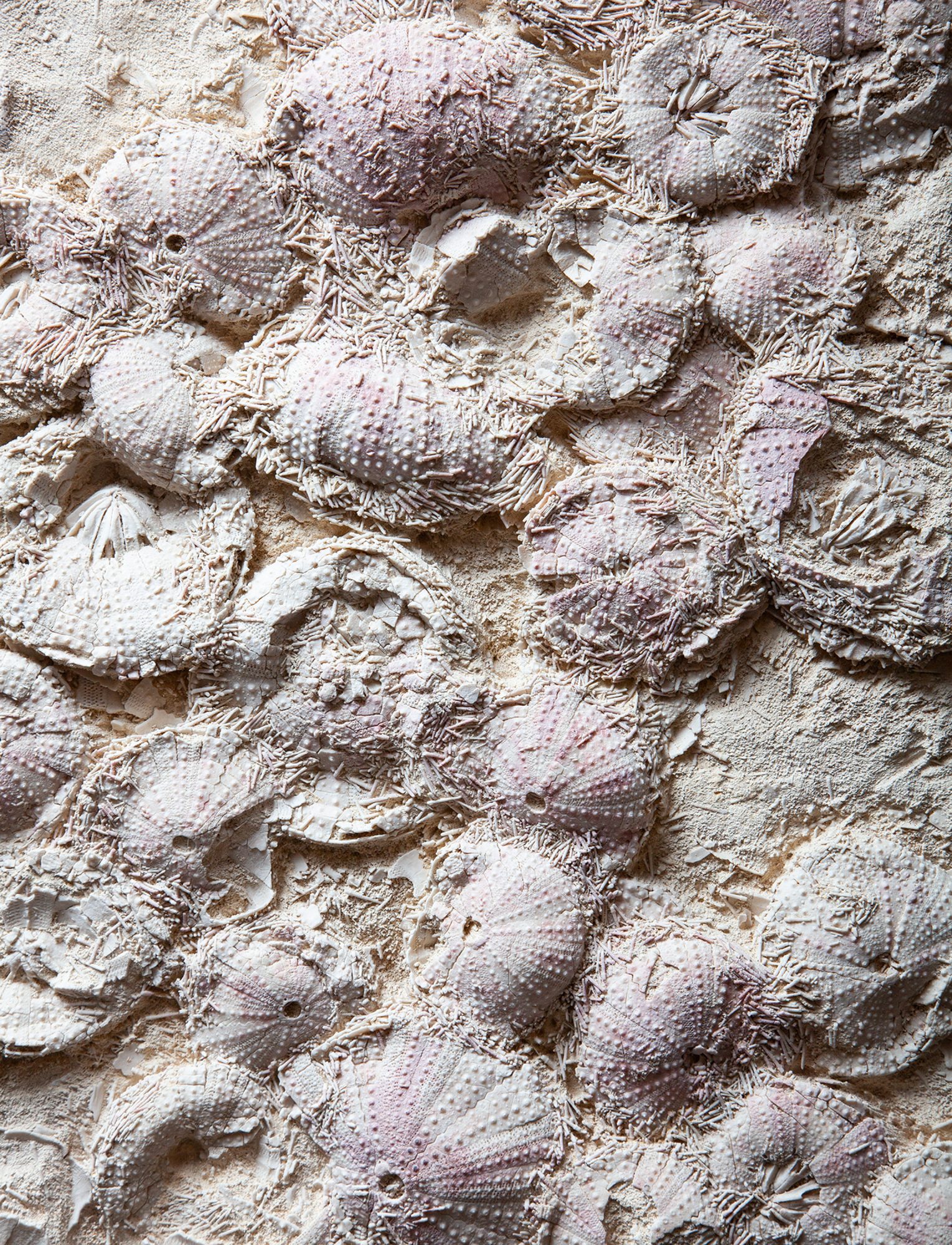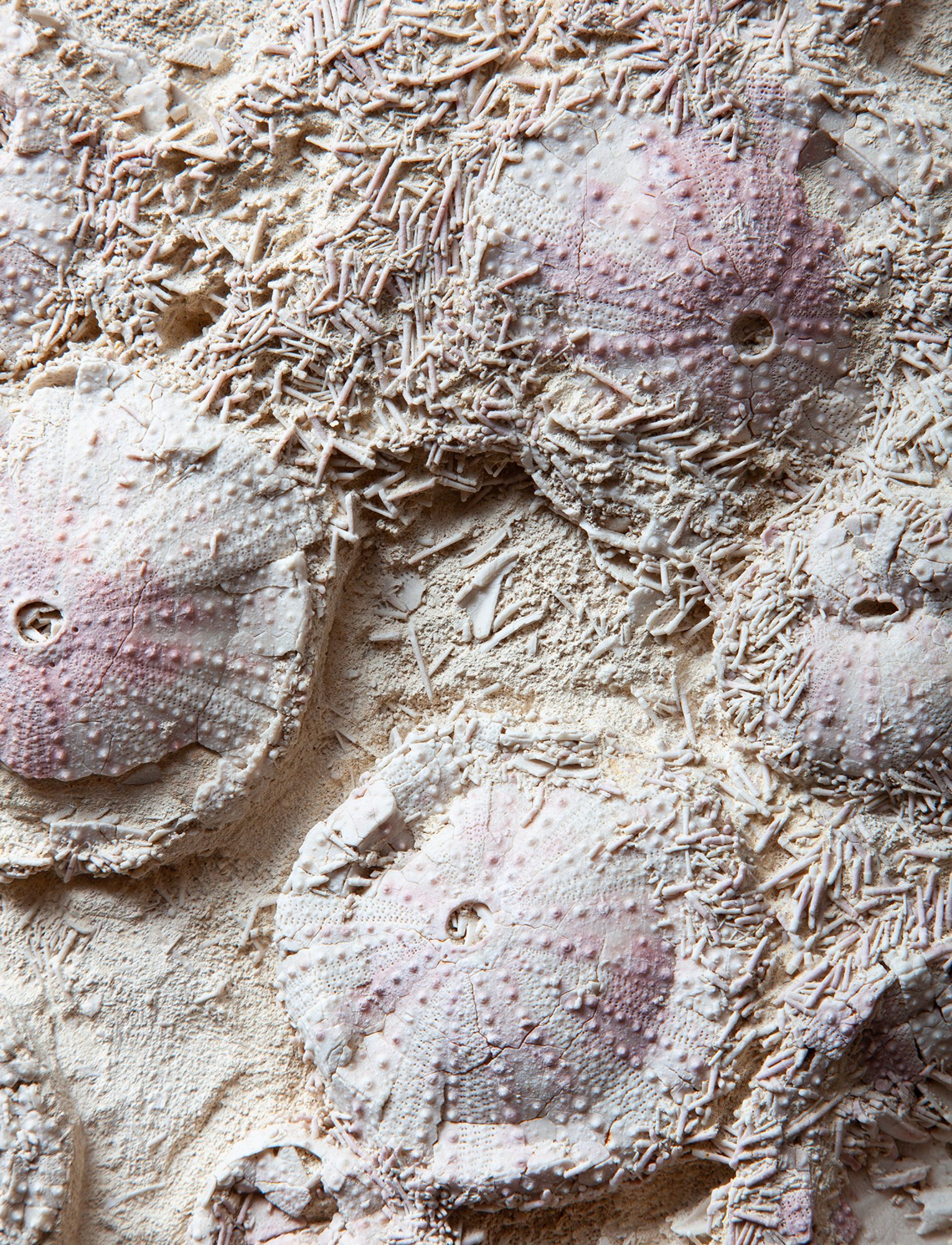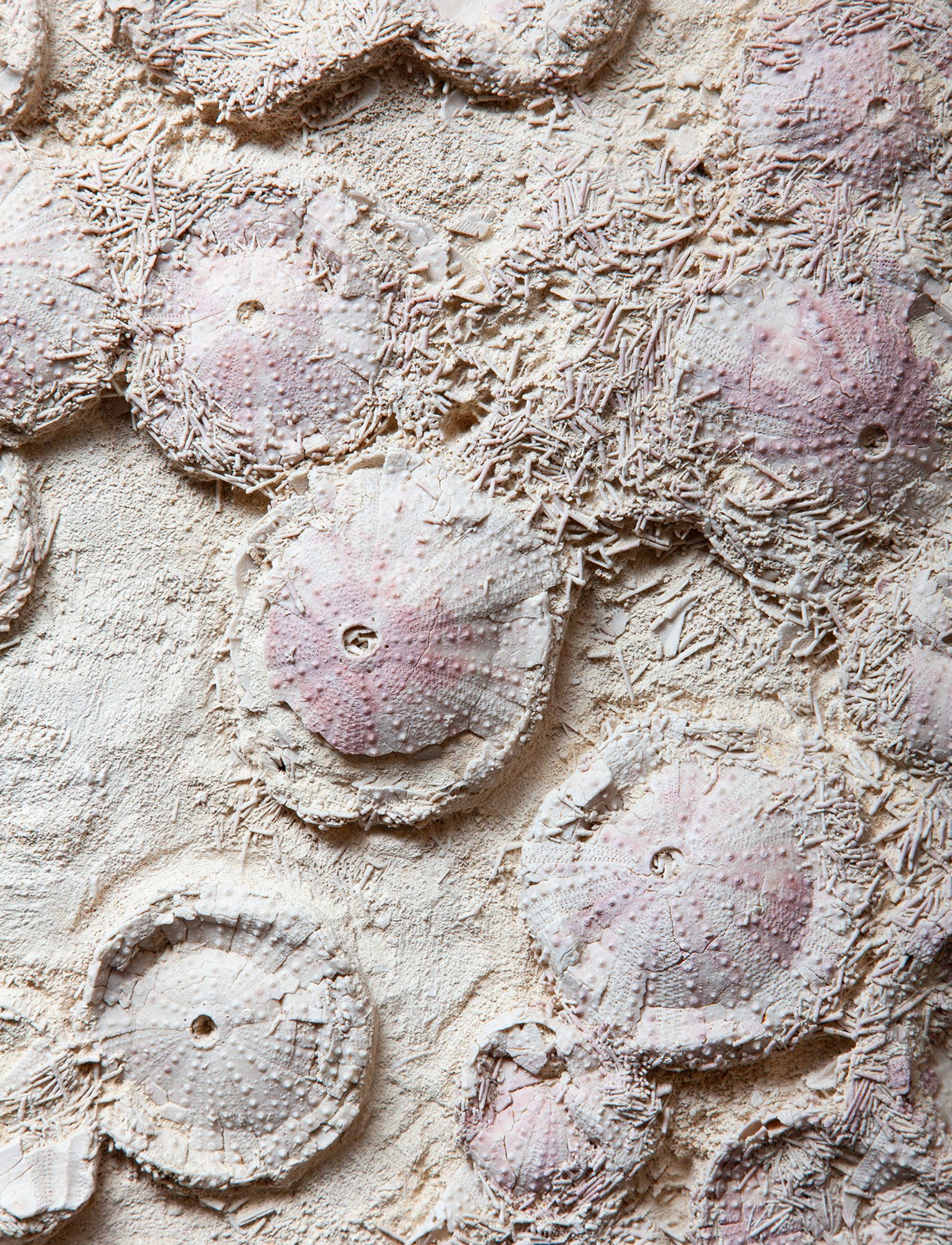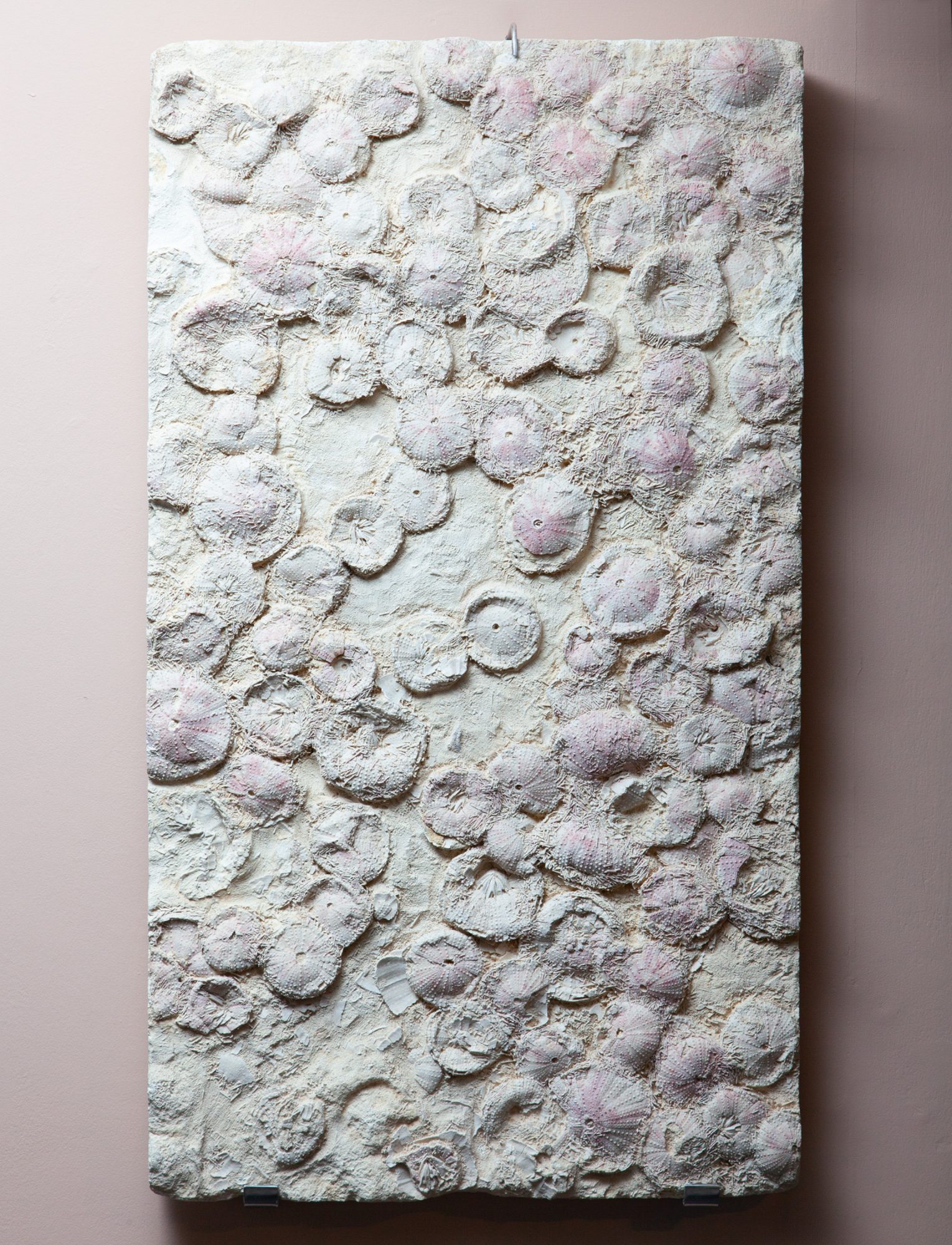
| Species: | Tripneustes parkinsoni |
|---|---|
| Location: | Southern France |
| Age: | 15-20 Million Years (Miocene) |
| Size: | H98cm W55.5cm D9.3cm |
| Price: | P.O.A |
| Availability: | Available | Enquire |
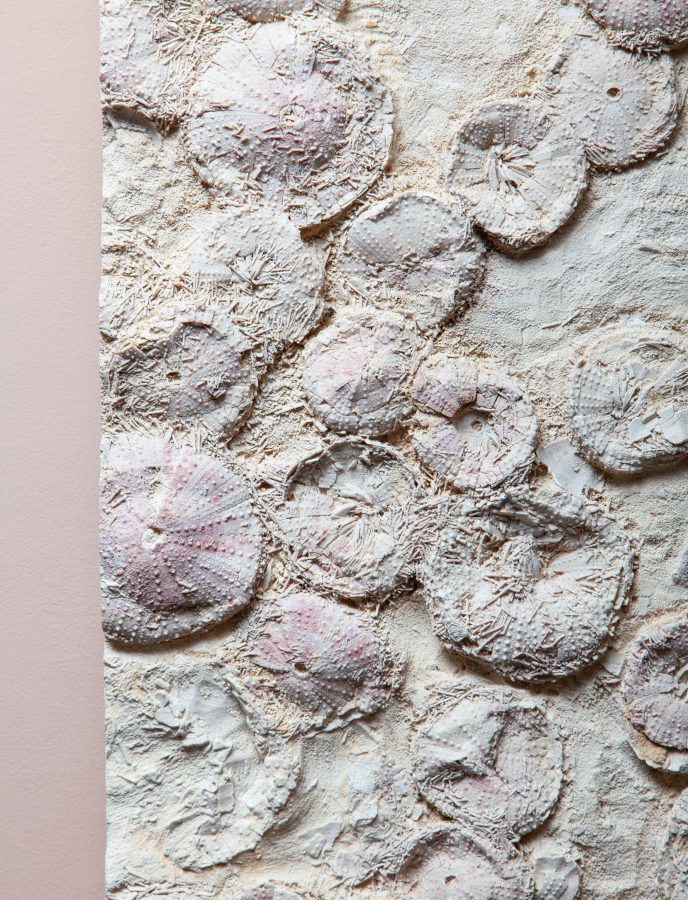
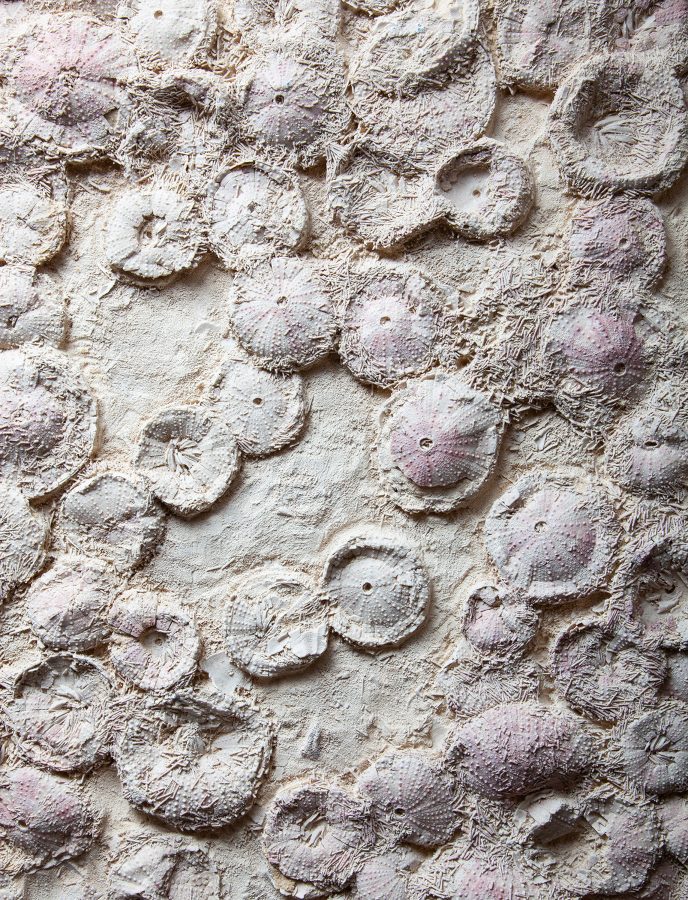
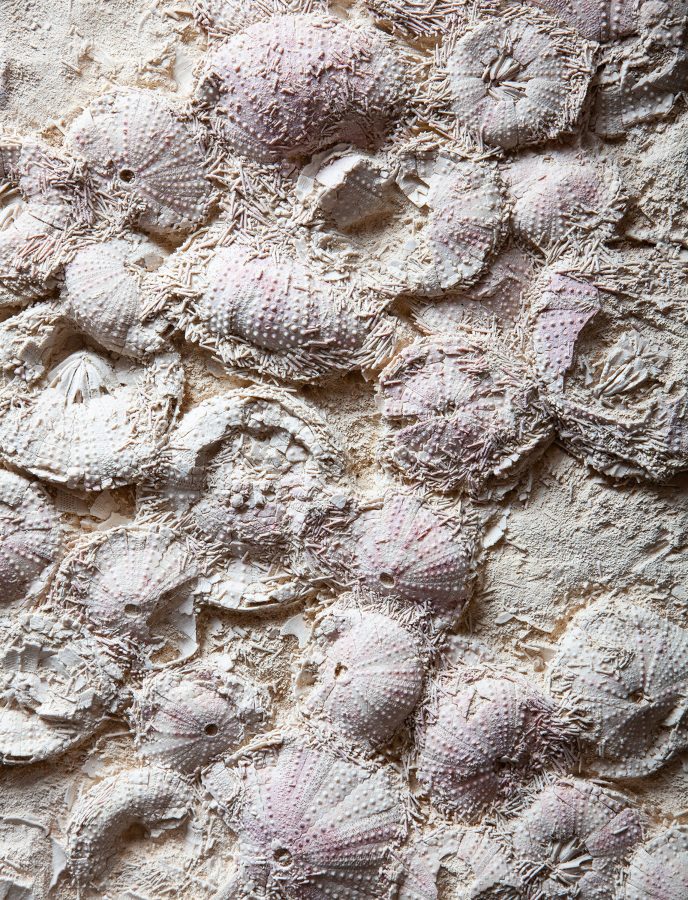
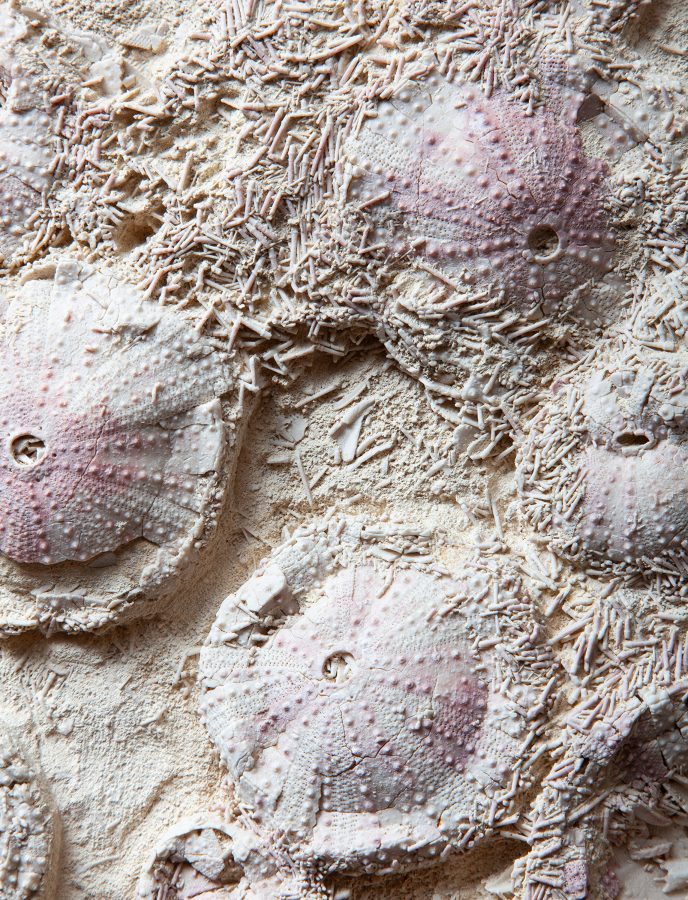
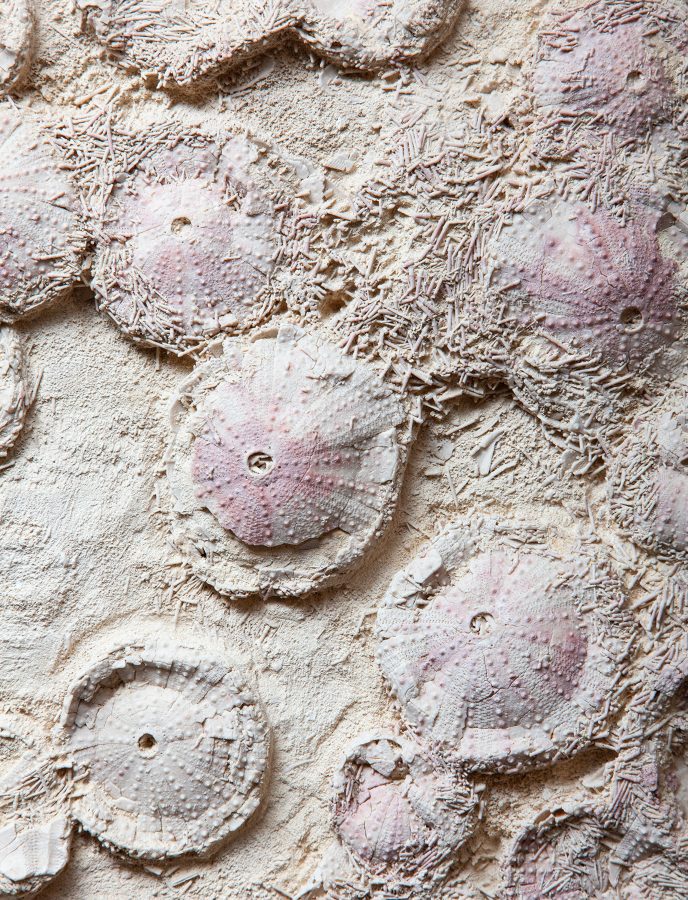
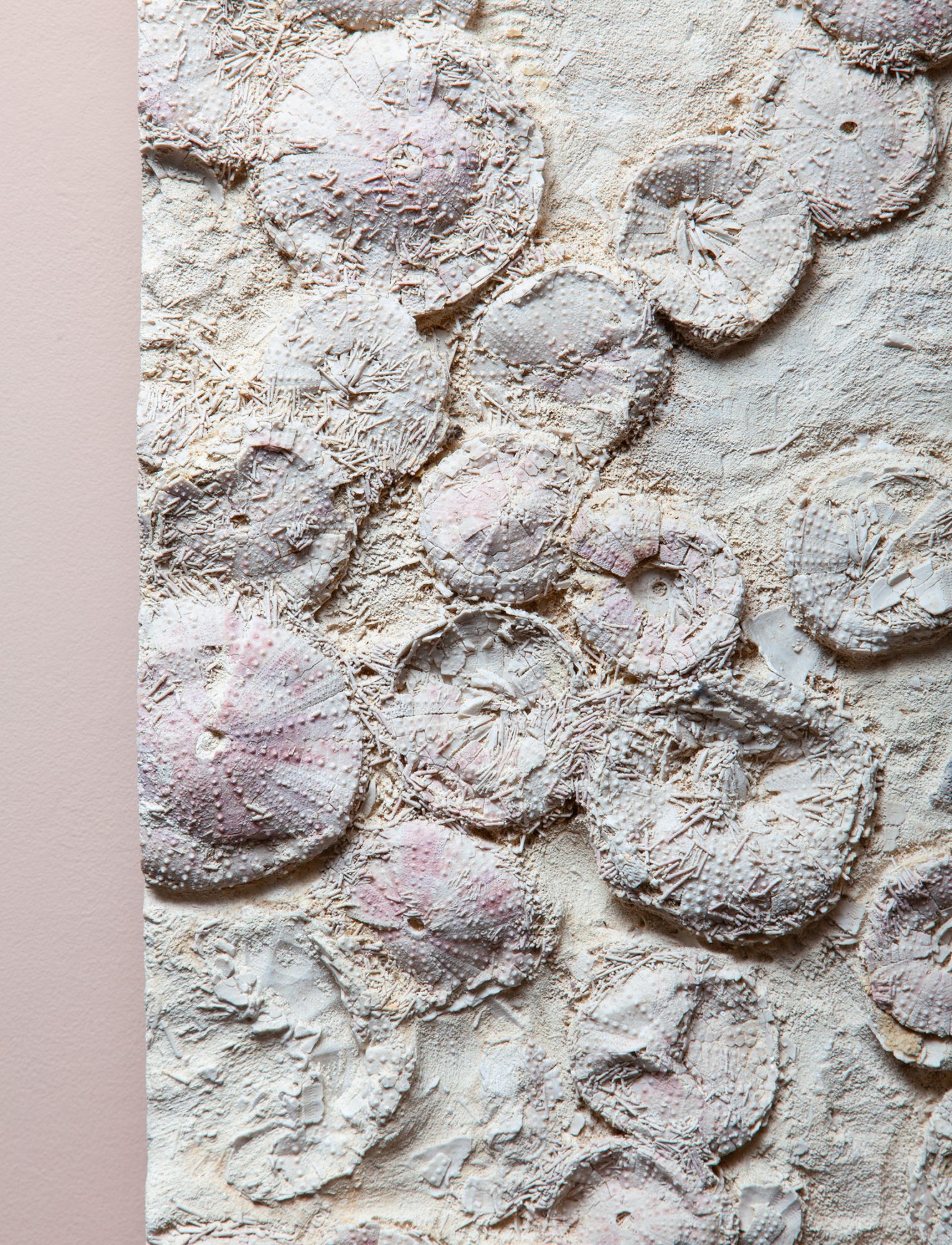
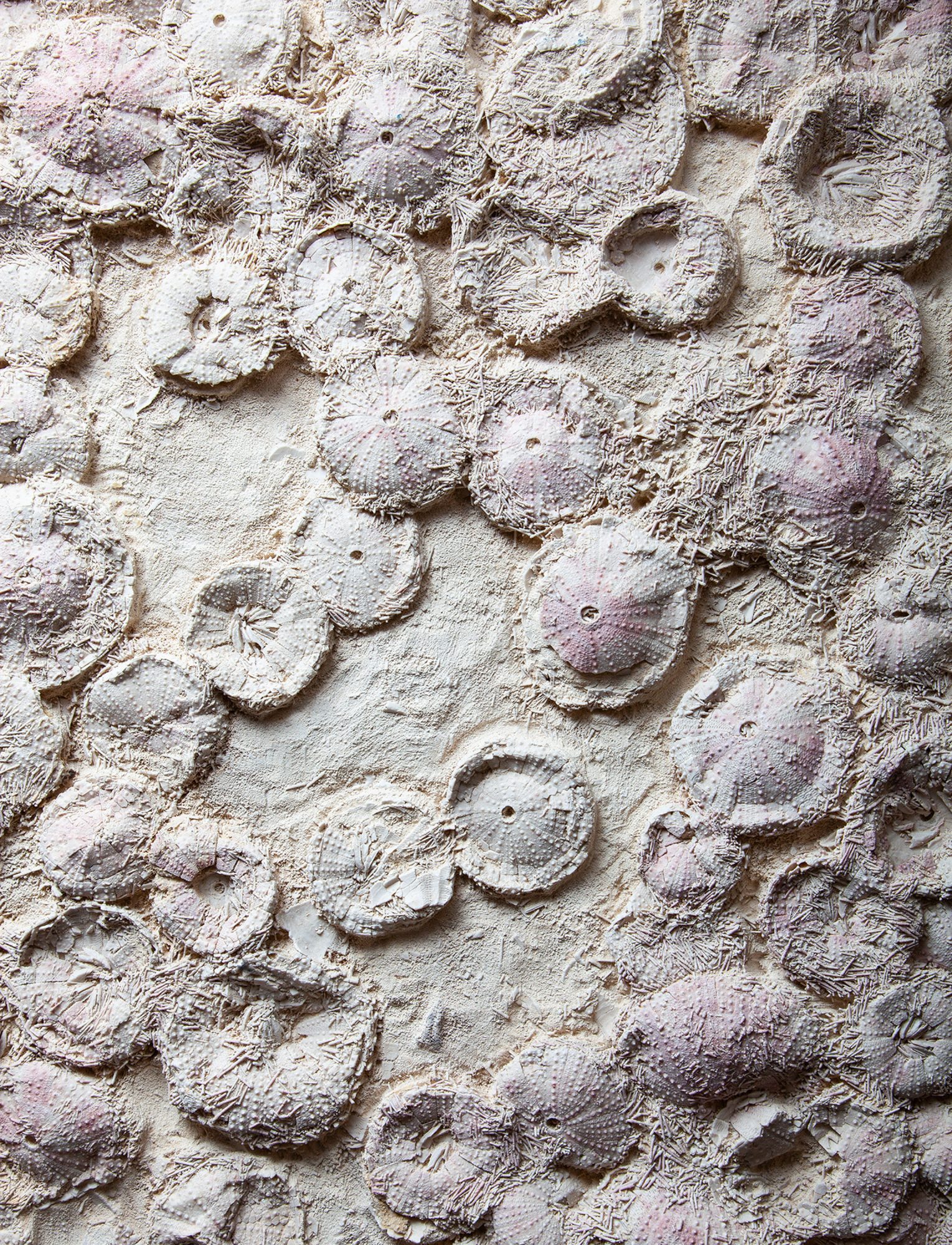
Tripneustes parkinsoni fossils from the Miocene era offer a fascinating window into ancient marine life along what is now southern France. These sea urchins lived in warm, shallow seas that covered parts of Europe millions of years ago, leaving behind durable tests and delicate patterns that researchers can study today. When you look at a specimen, you can see the characteristic ball-like shape and the radial arrangement of plates and pores that tell the story of how these creatures moved, fed, and interacted with their environment. The Miocene era, spanning roughly 23 to 5 million years ago, was a time of rich marine life and shifting coastlines, and Tripneustes parkinsoni fossils serve as tangible reminders of those dynamic oceanic communities.
The way these fossils come to light is a tale of careful fieldwork and patient preparation. In southern France, sedimentary rock layers formed in ancient seas preserve echinoid remains with remarkable clarity. Paleontologists carefully locate promising beds, document the exact layer and its geological context, and extract blocks with tools that minimize damage to the fossil and preserve the surrounding matrix. Back in the lab, specialists clean, stabilize, and sometimes gently reveal the fossil’s surface patterns—ambulacral areas, mouth parts, and the iconic, rounded test outline. The result is a specimen that educates as it inspires, telling a precise story about life in a Miocene sea and the processes that turned a marine creature into a lasting record in stone.