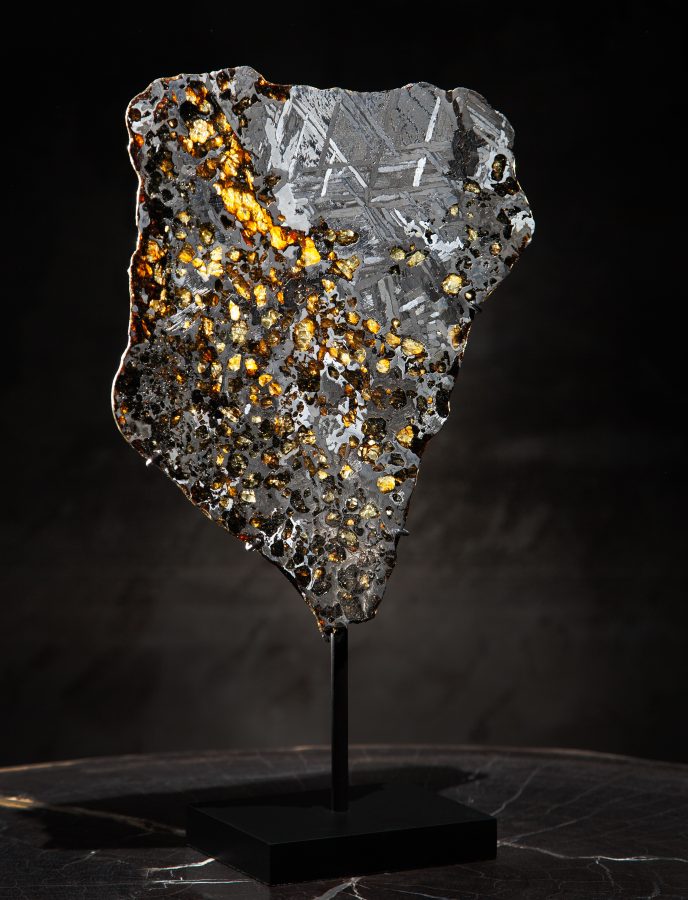
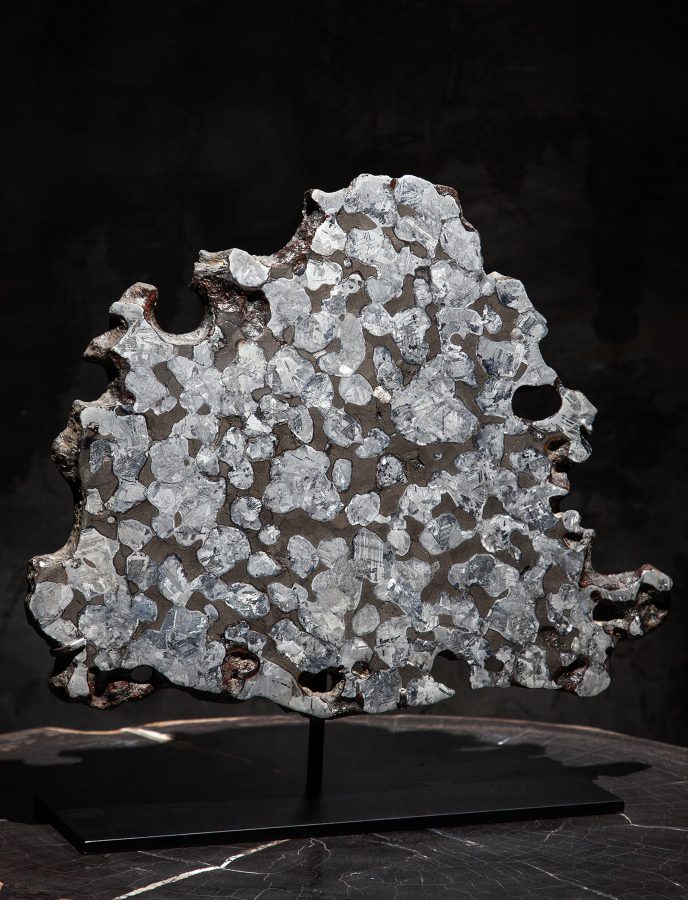
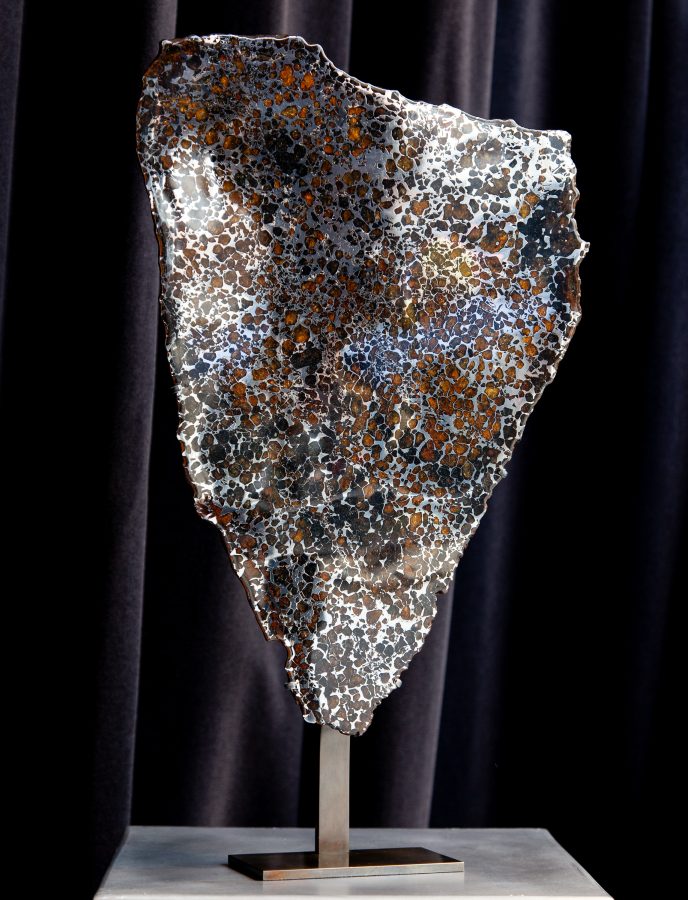
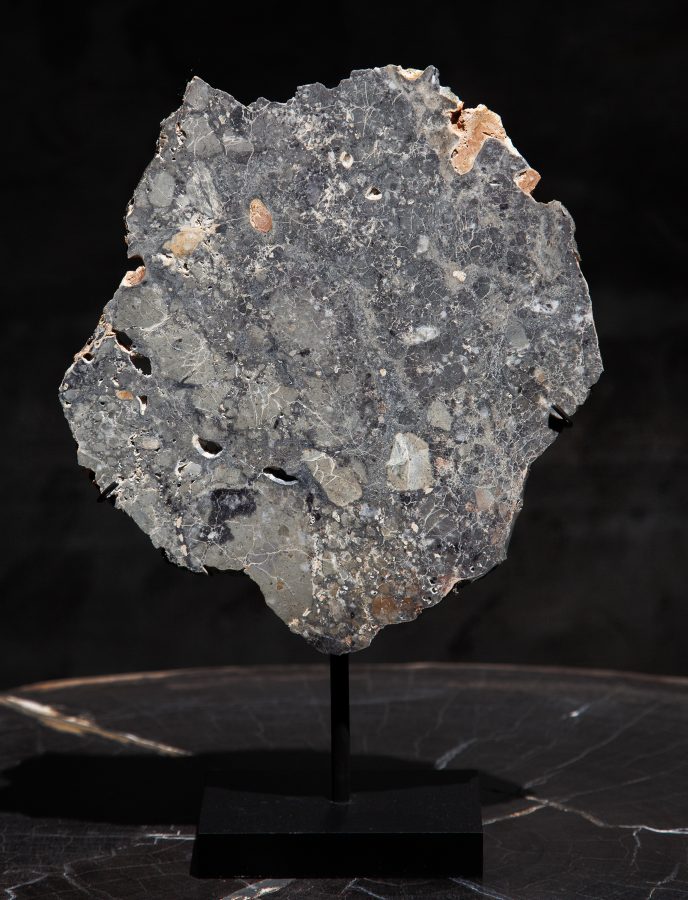
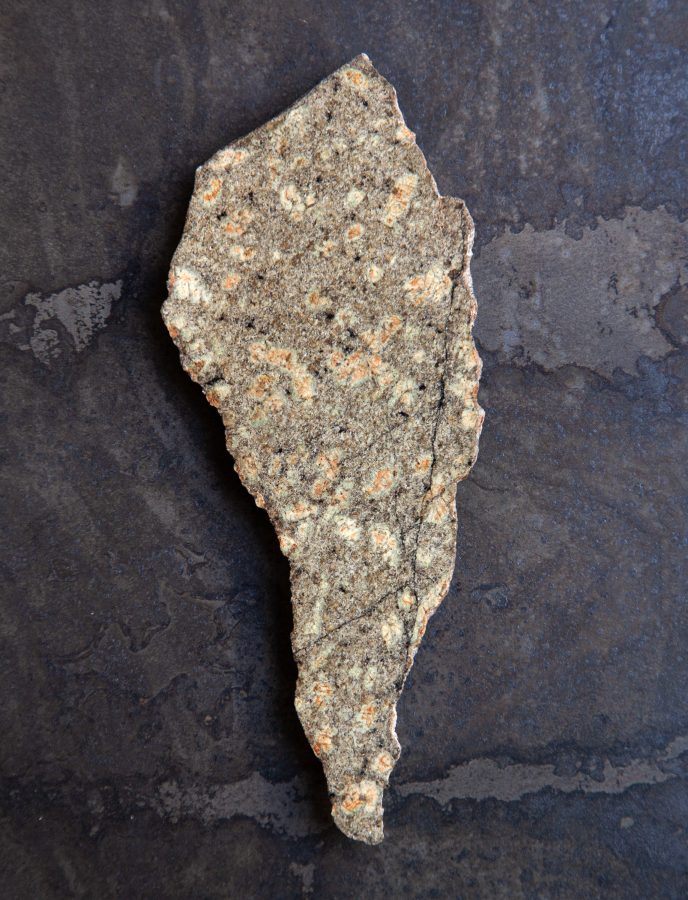
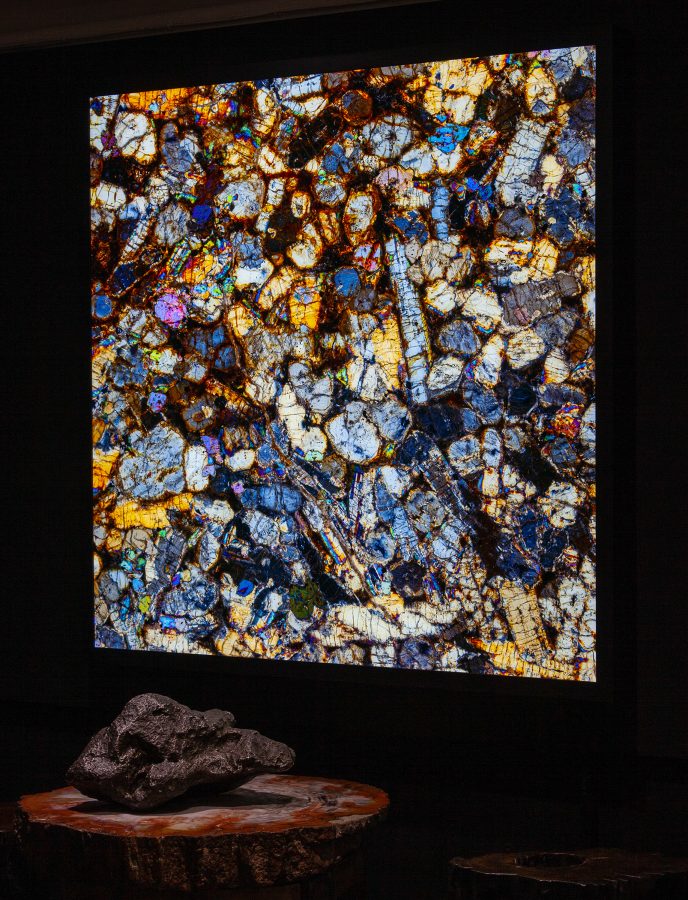
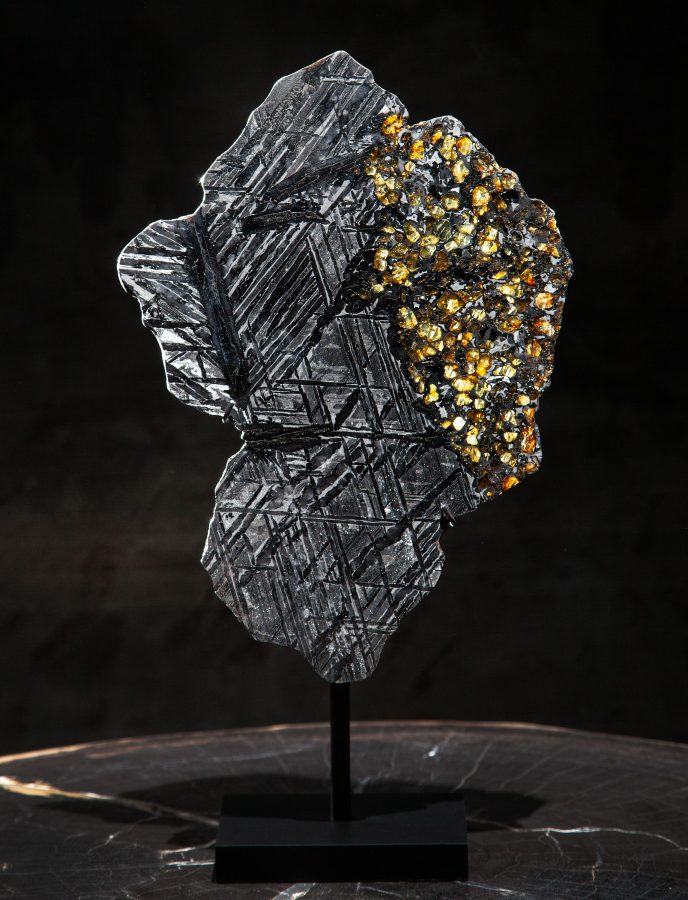
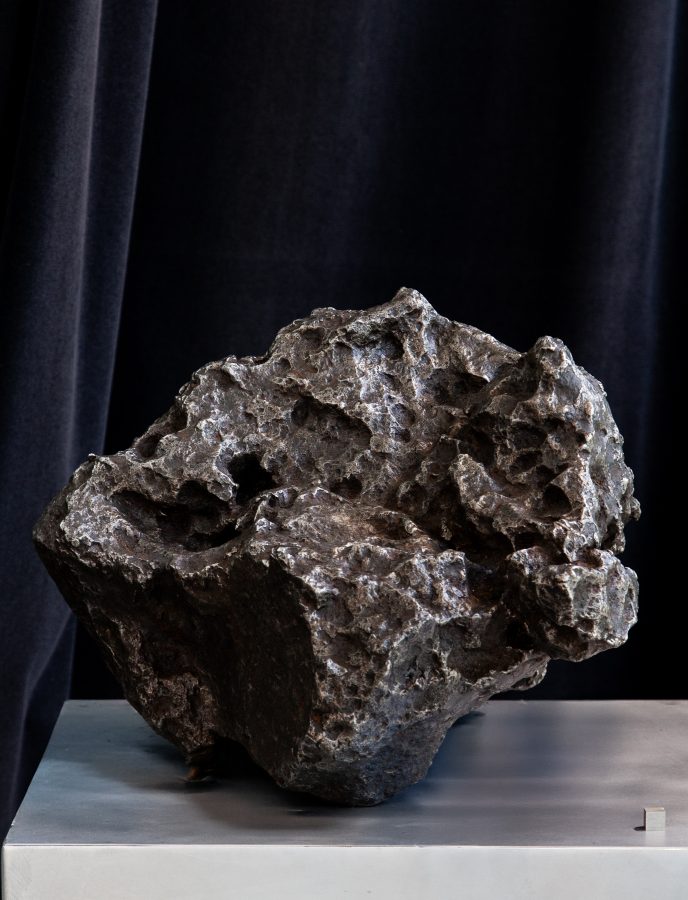
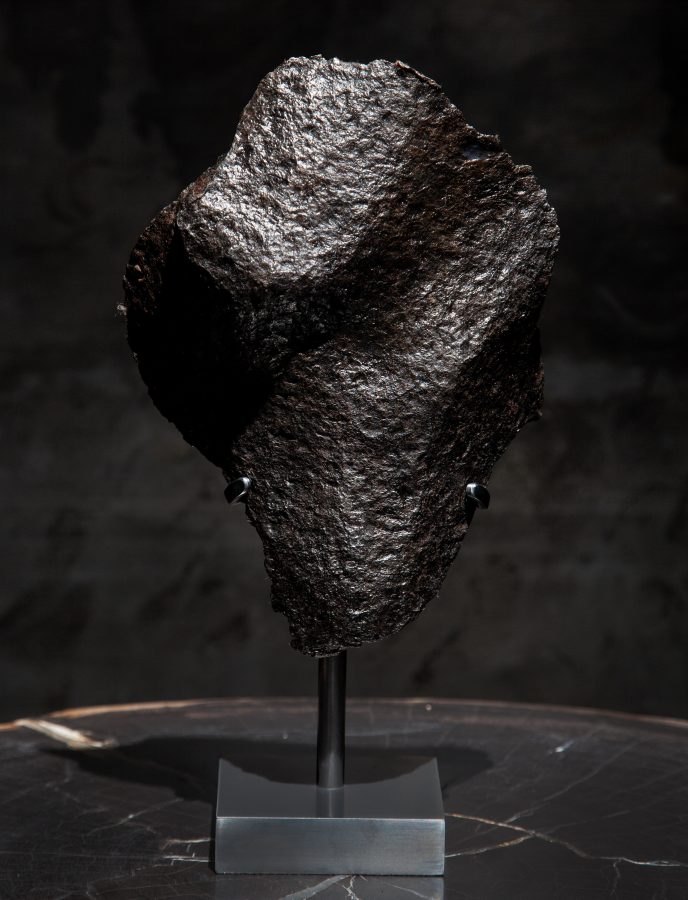
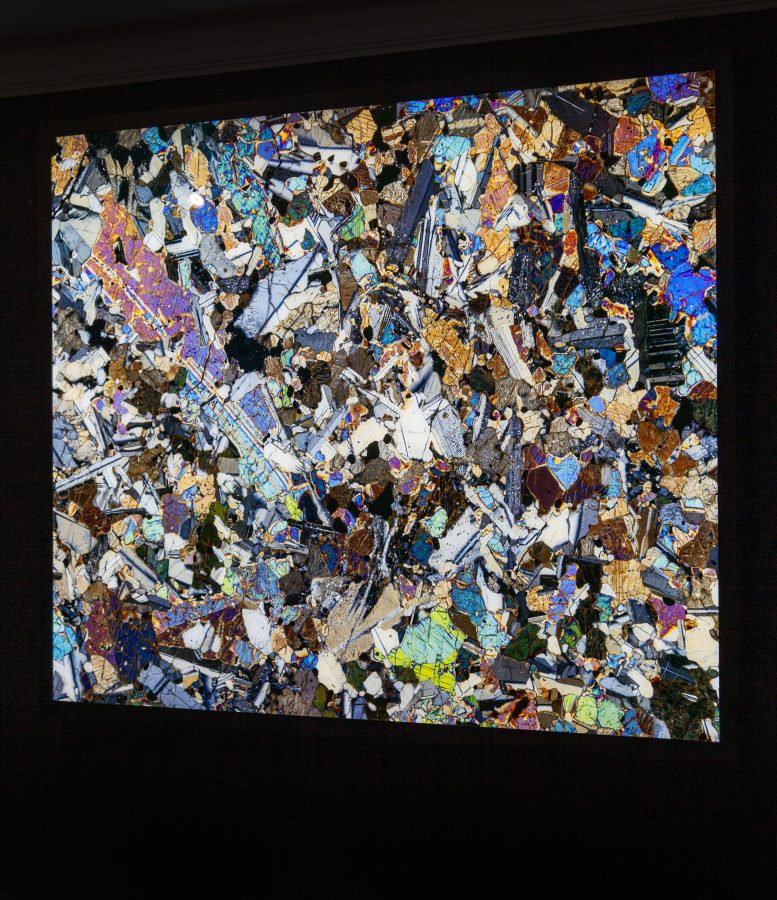
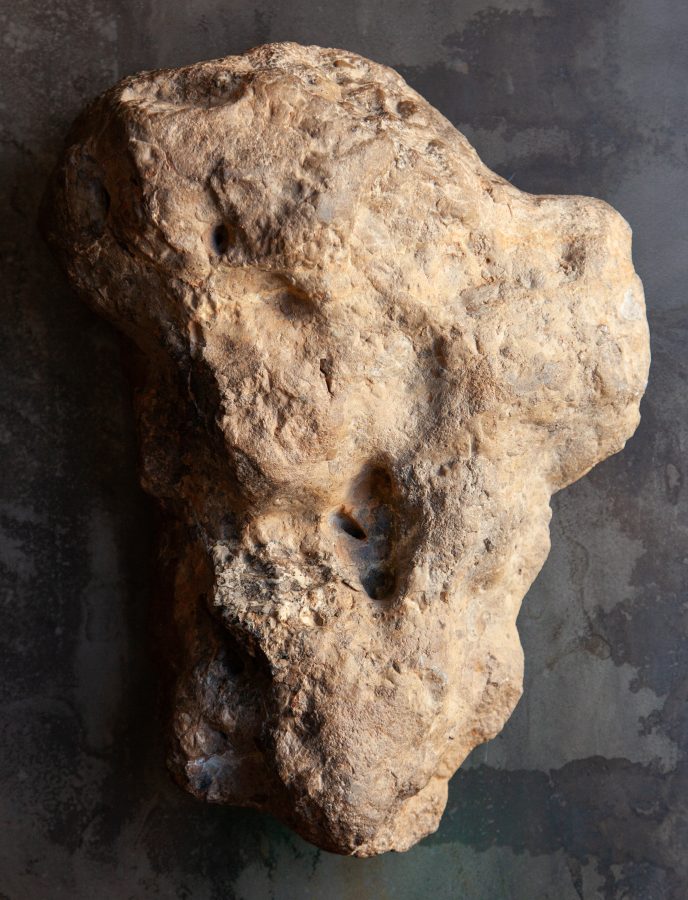
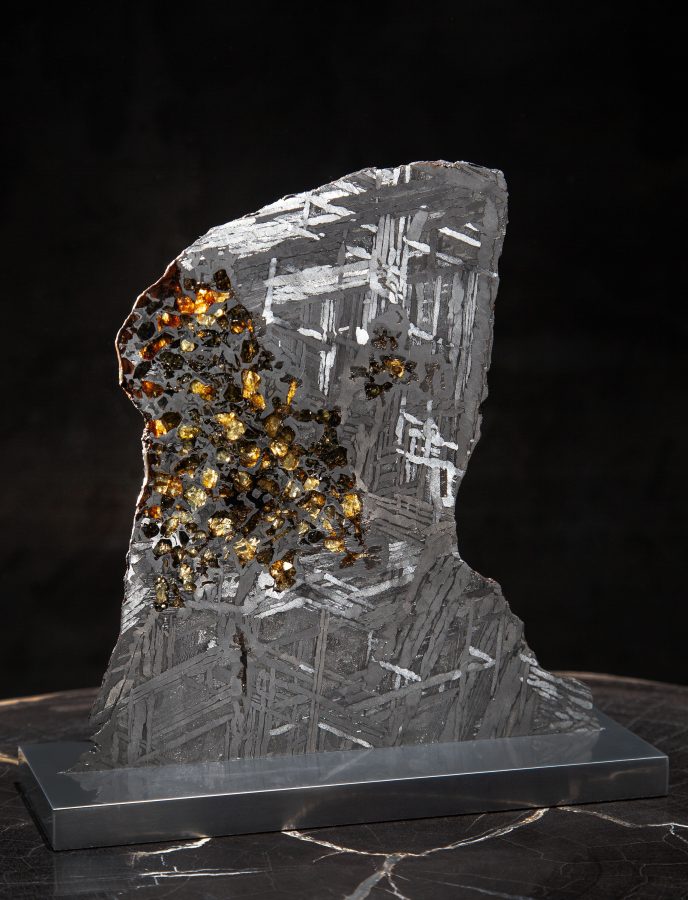
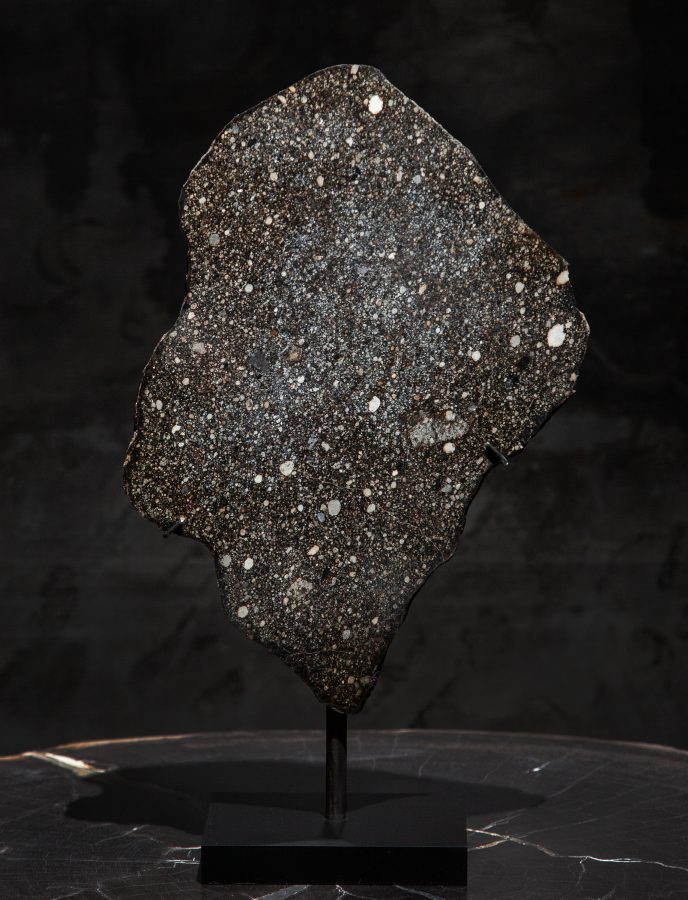
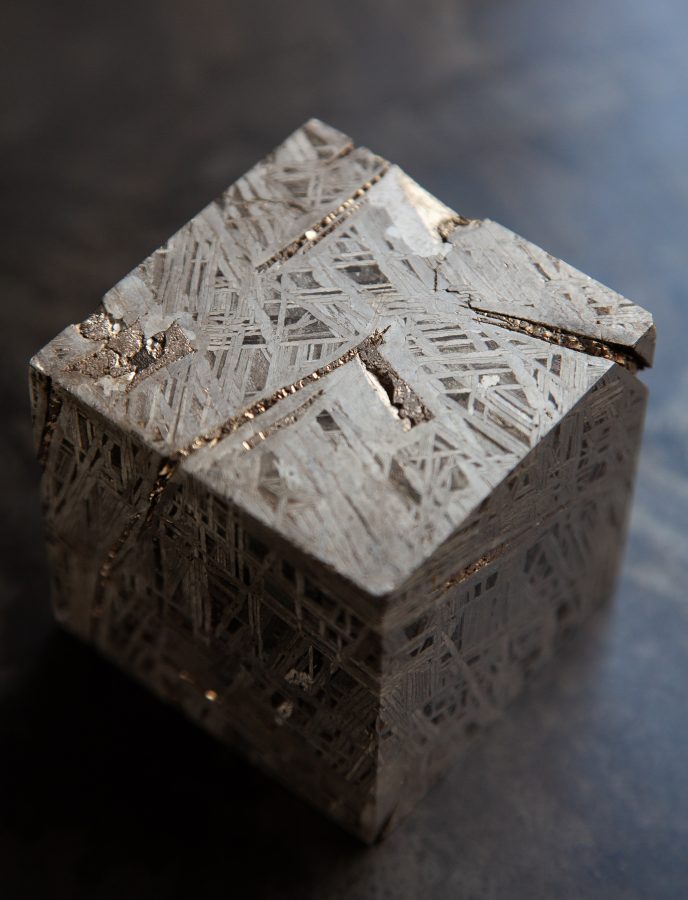
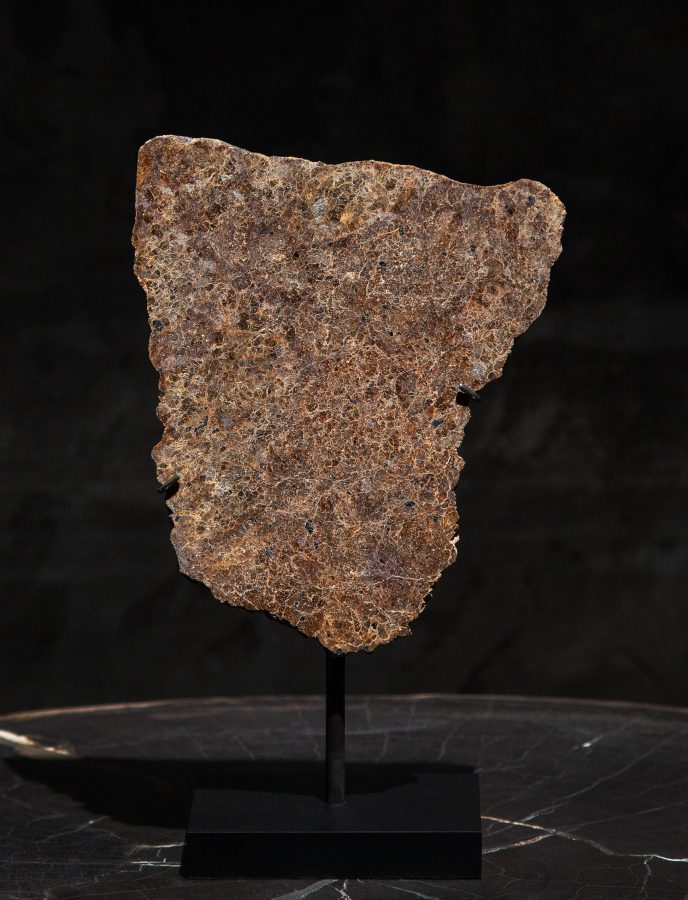
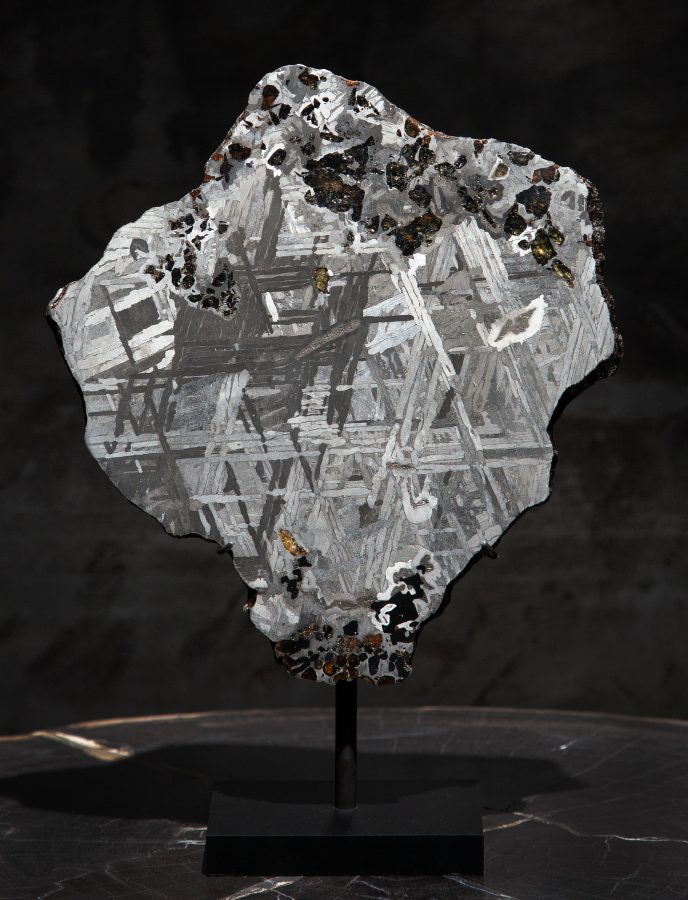
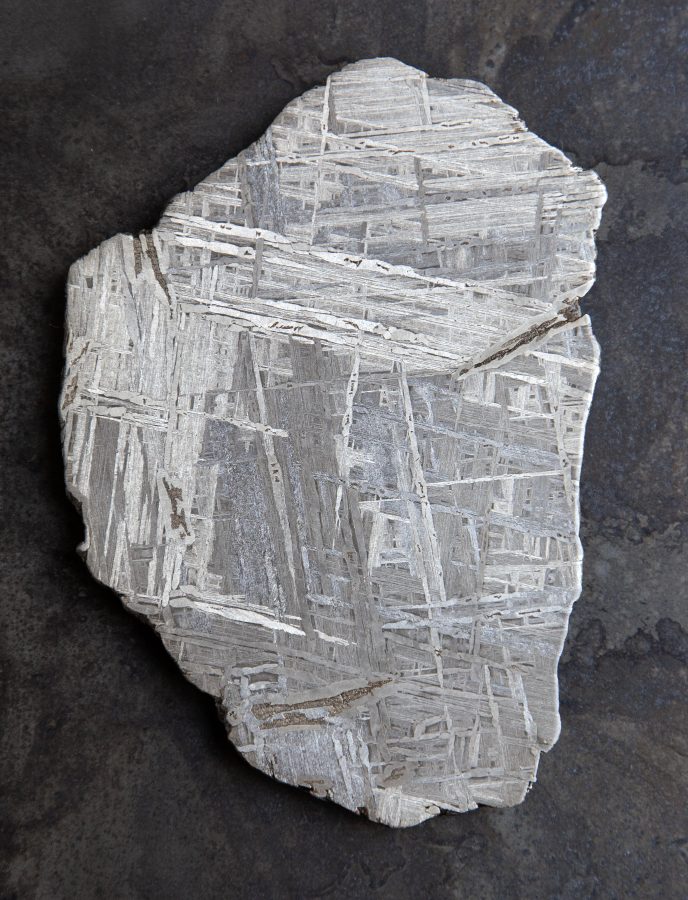
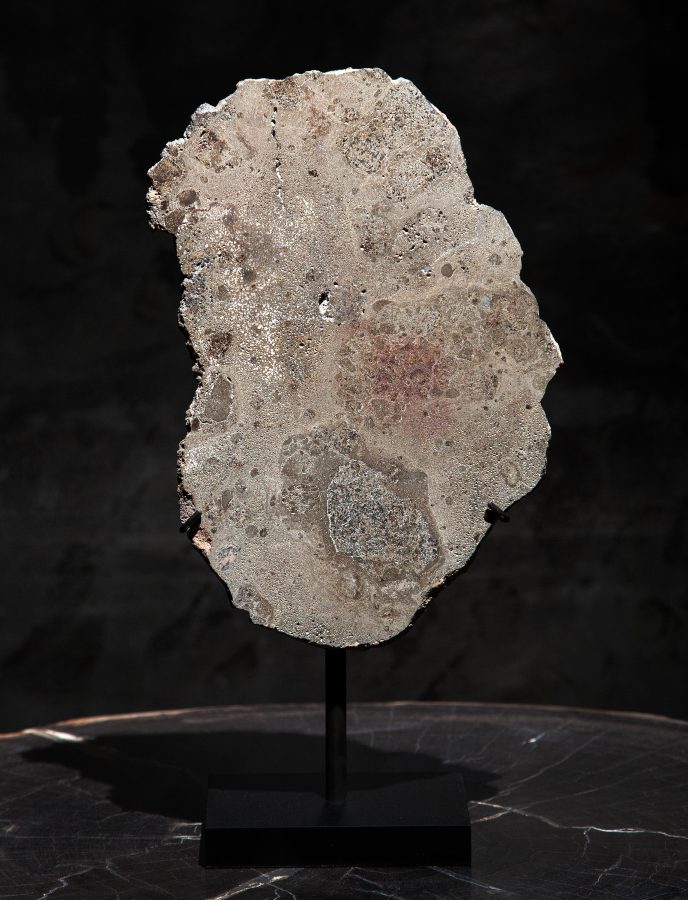
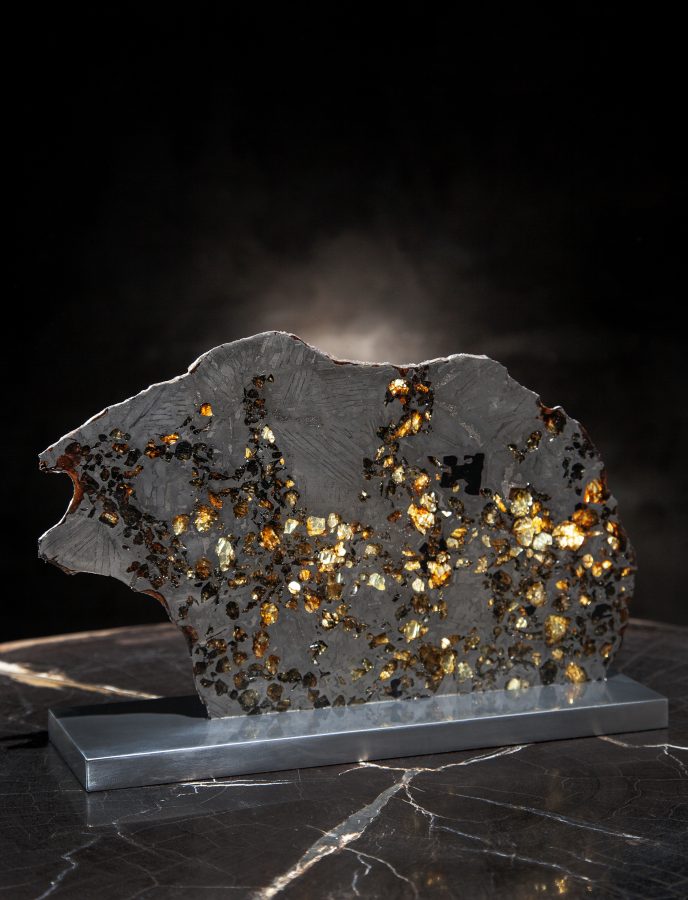
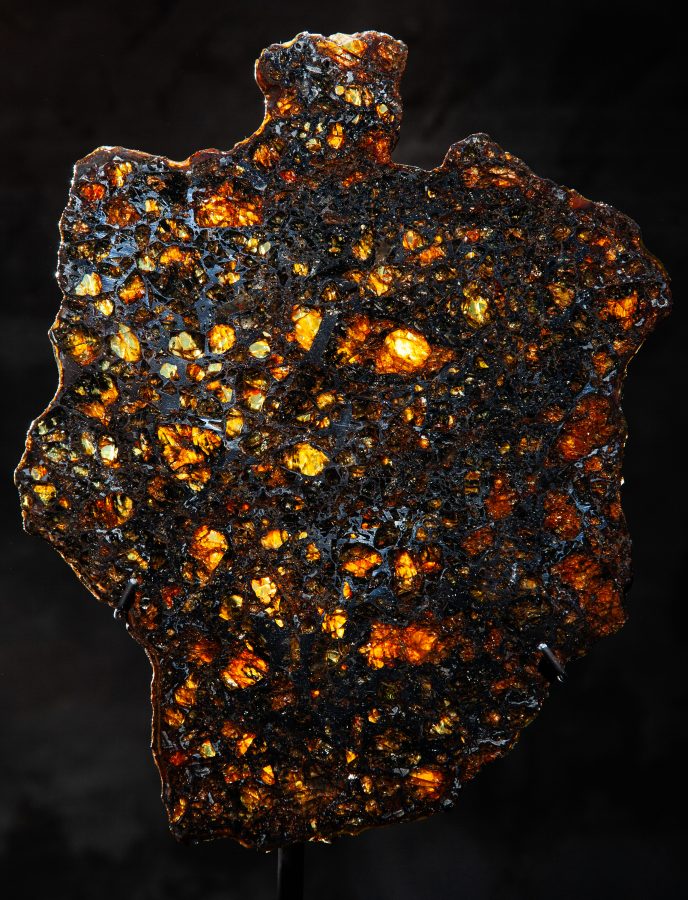
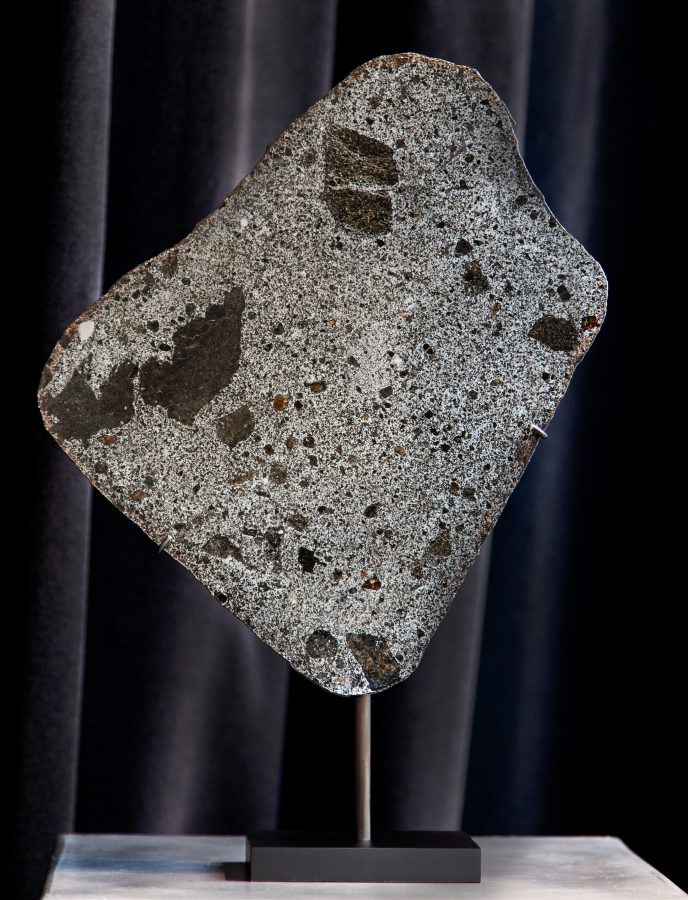
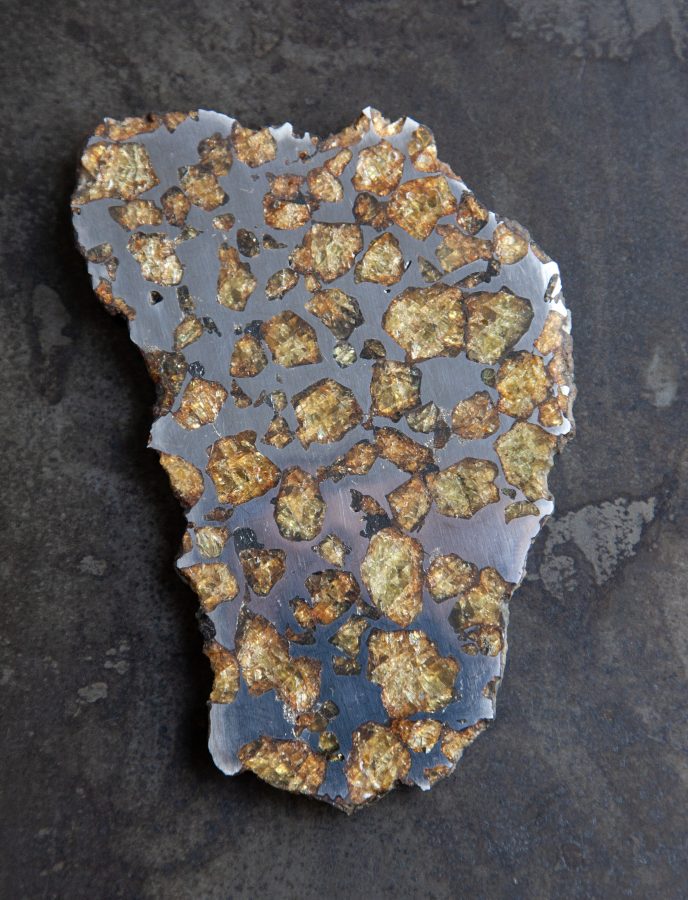
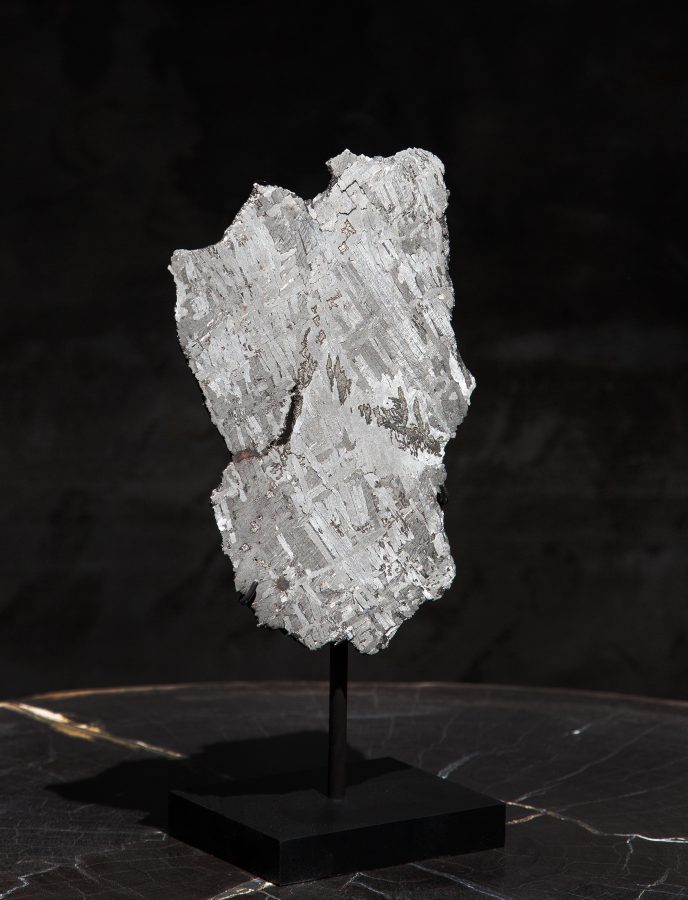
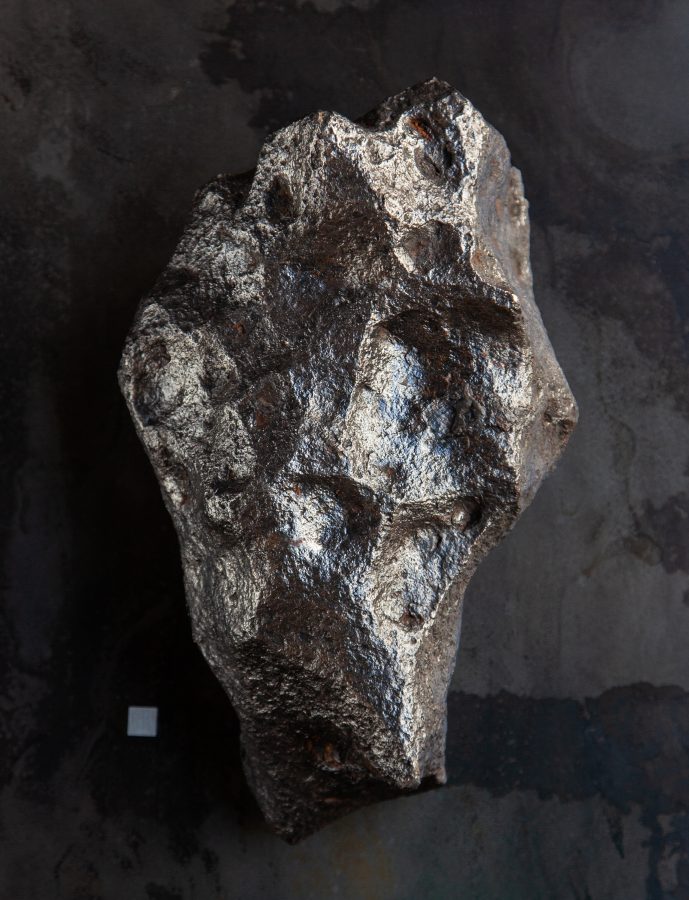
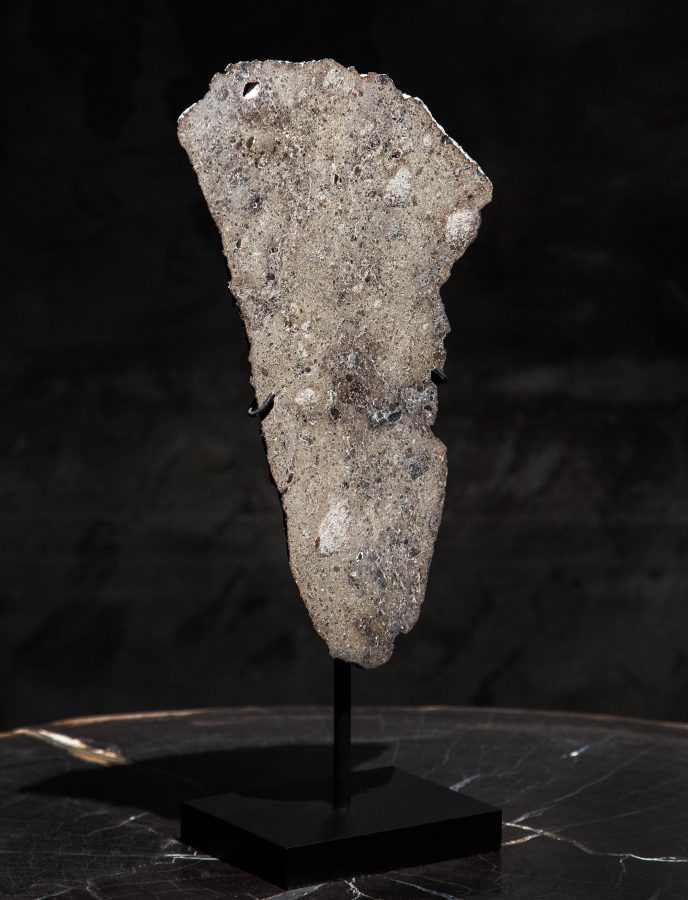
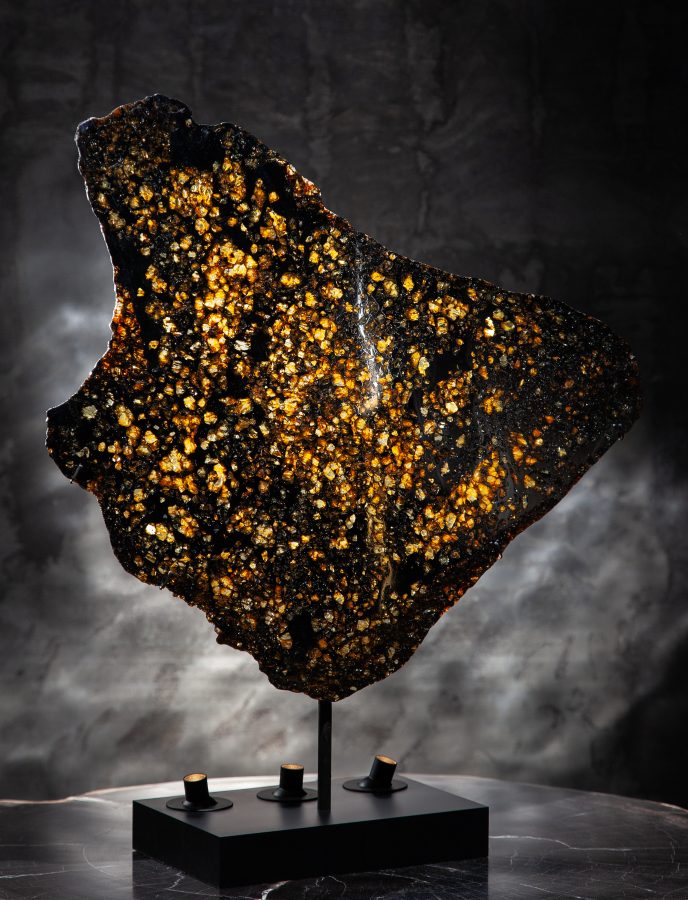
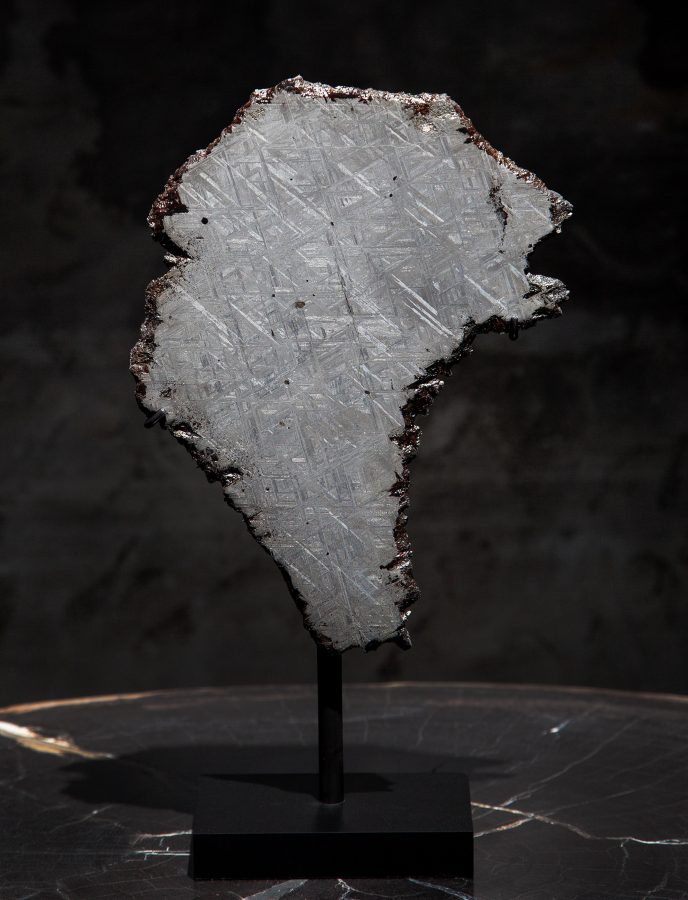
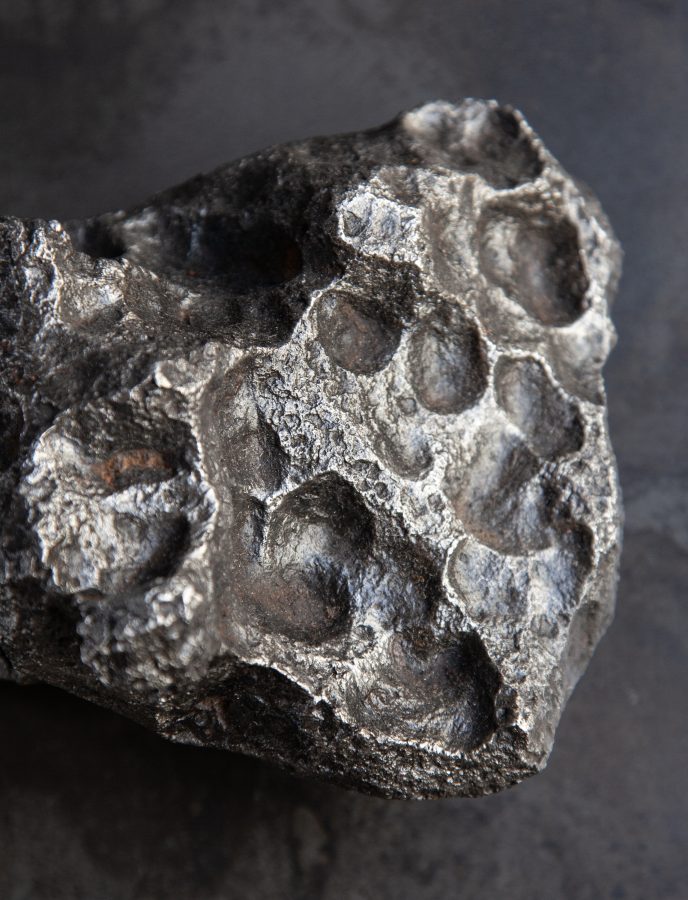
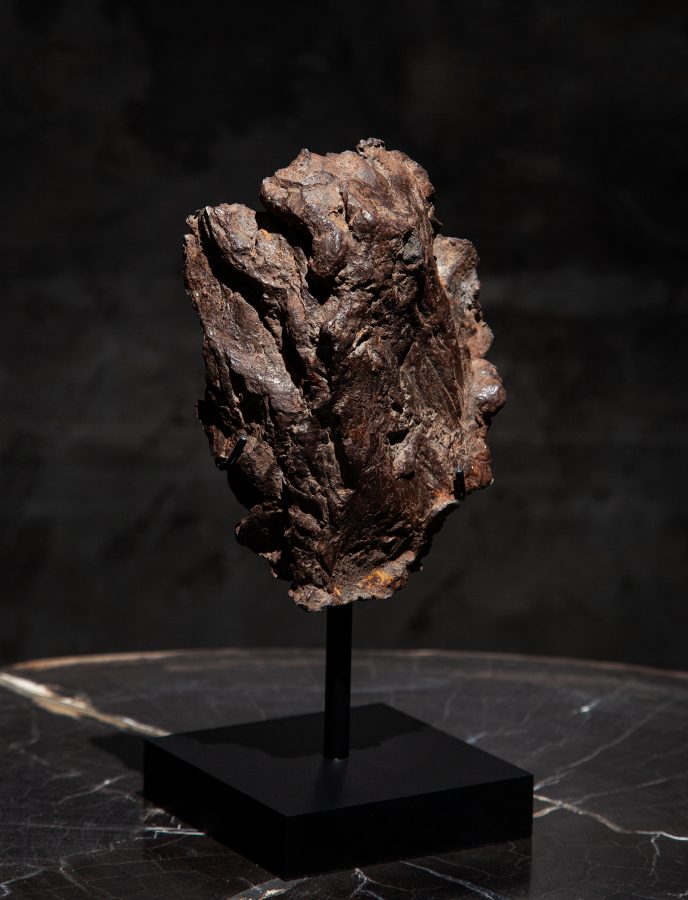
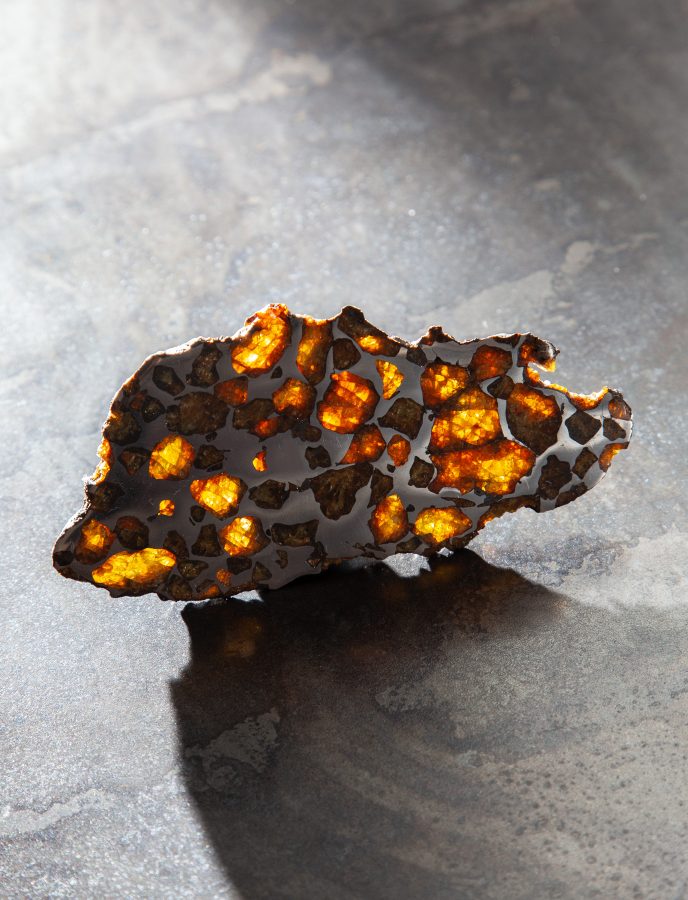
Meteorites are among the most extraordinary objects on Earth, not because they were born here, but because they were not. These ancient fragments of asteroids, comets and distant planetary bodies have journeyed across the cosmos, survived the intensity of atmospheric entry and arrived on our planet as extraordinary messengers from deep space and deeper time. Formed some 4.5 billion years ago, they preserve a mineralogical history that no earthly process could ever recreate. For the discerning collector, a meteorite is far more than a geological specimen: it is a natural sculpture, a scientific treasure and an object of unparalleled provenance. Their surfaces, sculpted by the immense heat and friction of atmospheric entry, reveal forms of extraordinary character, while polished interiors unveil breathtaking natural artistry — from the crystalline Widmanstätten patterns of iron meteorites to the luminous chondrules of stony specimens and the spectacular, stained-glass brilliance of olivine-bearing pallasites. Each is a singular cosmic artefact, where scientific wonder and natural beauty converge in a story spanning billions of years.
Perhaps the most profound testament to the relationship between meteorites and life on Earth is the cataclysmic impact that created the Chicxulub crater in Mexico’s Yucatán Peninsula some 66 million years ago. This extraordinary collision transformed the global climate, reshaped ecosystems and brought the age of the dinosaurs to an end, opening the way for the rise and evolution of mammals — and ultimately, humanity. It is a remarkable reminder that our existence is inseparable from the forces of the cosmos. This is what gives meteorites their truly exceptional significance: to own one is to hold a tangible fragment of the universe’s history, an object connected not only to the birth of our solar system but also to the extraordinary chain of events that made life as we know it possible. In the finest collections, alongside exceptional works of art and the world’s rarest natural treasures, a meteorite commands a place of distinction — not merely as a curiosity, but as a profound symbol of beauty, destruction and creation, carrying within it a story that began long before our world existed.
Curated by Luke Garwood / Co-Director
| Location: |
Seymchan, Russia |
| Age: |
4.5 Billion Years |
| Size: |
H28.6cm W18m D7cm |
| Price: |
P.O.A |
| Location: |
Western Australia |
| Age: |
4.5 Billion Years |
| Size: |
H32.5cm W35.8cm D10cm |
| Price: |
P.O.A |
| Location: |
Seymchan, Russia |
| Age: |
4.5 Billion Years |
| Size: |
H47.5cm W28.4cm D6.5cm |
| Price: |
P.O.A |
| Location: |
Algeria |
| Age: |
4 Billion Years |
| Size: |
H24.7cm W17.2cm D7cm |
| Price: |
P.O.A |
| Location: |
Libya |
| Age: |
500 Million Years |
| Size: |
H14.5cm W6cm D2.5mm |
| Price: |
P.O.A |
| Size: |
H104.5cm W104.5cm D7cm |
| Price: |
P.O.A |
| Location: |
Seymchan, Russia |
| Age: |
4.5 Billion Years |
| Size: |
H33.5cm W18.2cm D8cm |
| Price: |
P.O.A |
| Location: |
Western Australia |
| Age: |
4.5 Billion Years |
| Size: |
H38cm W18cm D8cm |
| Price: |
P.O.A |
| Location: |
Campo del Cielo, Argentina |
| Age: |
4.5 Billion Years |
| Size: |
H26cm W37cm D34cm |
| Price: |
P.O.A |
| Location: |
Campo del Cielo, Argentina |
| Age: |
4.5 Billion Years |
| Size: |
H27.4cm W15cm D8cm |
| Price: |
P.O.A |
| Size: |
H104.3cm W129.5cm D7.2cm |
| Price: |
P.O.A |
| Location: |
Libya |
| Age: |
4.5 Billion Years |
| Size: |
H34.5cm W27.5cm D12.8cm |
| Price: |
P.O.A |
| Location: |
Seymchan, Russia |
| Age: |
4.5 Billion Years |
| Size: |
H19.5cm W14.2cm D7cm |
| Price: |
P.O.A |
| Location: |
Northwest Africa |
| Age: |
4.5 Billion Years |
| Size: |
H30.9cm W18cm D8cm |
| Price: |
P.O.A |
| Location: |
Xinjang, China |
| Age: |
4.5 Billion Years |
| Size: |
H7.3cm W7.3cm D7.3cm |
| Price: |
Sold
|
| Location: |
Algeria |
| Age: |
4.5 Billion Years |
| Size: |
H22.5cm W13.2cm D7cm |
| Price: |
P.O.A |
| Location: |
Seymchan, Russia |
| Age: |
4.5 Billion Years |
| Size: |
H29.5cm W21.1cm D8cm |
| Price: |
P.O.A |
| Location: |
Kansas, USA |
| Age: |
4.5 Billion Years |
| Size: |
H15.9cm W12.5cm D2.5mm |
| Price: |
P.O.A |
| Location: |
Sahara Desert, Libya |
| Age: |
4.5 Billion Years |
| Size: |
H29.3cm W16cm D8cm |
| Price: |
P.O.A |
| Location: |
Seymchan, Russia |
| Age: |
4.5 Billion Years |
| Size: |
H13.5cm W21.5cm D6cm |
| Price: |
P.O.A |
| Location: |
Admire, USA |
| Age: |
4.5 Billion Years |
| Size: |
H24.8cm W19.5cm D2.5mm |
| Price: |
Sold
|
| Location: |
Algeria |
| Age: |
4.1 Billion Years |
| Size: |
H38cm W26.5cm D8cm |
| Price: |
P.O.A |
| Location: |
Imilac, Chile |
| Age: |
4.5 Billion Years |
| Size: |
H10.5cm W8cm D2mm |
| Price: |
P.O.A |
| Location: |
Saaremaa, Estonia |
| Age: |
4.5 Billion Years |
| Size: |
H22.9cm W12cm D7cm |
| Price: |
P.O.A |
| Location: |
Campo del Cielo, Meteorite |
| Age: |
4.5 Billion Years |
| Size: |
H26.5cm W16.1cm D11cm |
| Price: |
P.O.A |
| Location: |
Tubruq, Libya |
| Age: |
4 Billion Years |
| Size: |
H27.3cm W13cm D7cm |
| Price: |
P.O.A |
| Location: |
Seymchan, Russia |
| Age: |
4.5 Billion Years |
| Size: |
H45.7cm W40.7cm D11.5cm |
| Price: |
Sold
|
| Location: |
Sweden |
| Age: |
4.5 Billion Years |
| Size: |
H25.7cm W14.3cm D7cm |
| Price: |
P.O.A |
| Location: |
Campo del Cielo, Meteorite |
| Age: |
4.5 Billion Years |
| Size: |
H11.1cm W14cm D9.5cm |
| Price: |
P.O.A |
| Location: |
Sikhote-Alin, Russia |
| Age: |
4.5 Billion Years |
| Size: |
H21.7cm W10.2cm D9cm |
| Price: |
P.O.A |
| Location: |
Imilac, Chile |
| Age: |
4.5 Billion Years |
| Size: |
Varies |
| Price: |
P.O.A |
| Location: |
Campo del Cielo, Argentina |
| Age: |
4.5. Billion Years |
| Size: |
Di 14cm |
| Price: |
P.O.A |