| Location: | Campo del Cielo, Meteorite |
|---|---|
| Age: | 4.5 Billion Years |
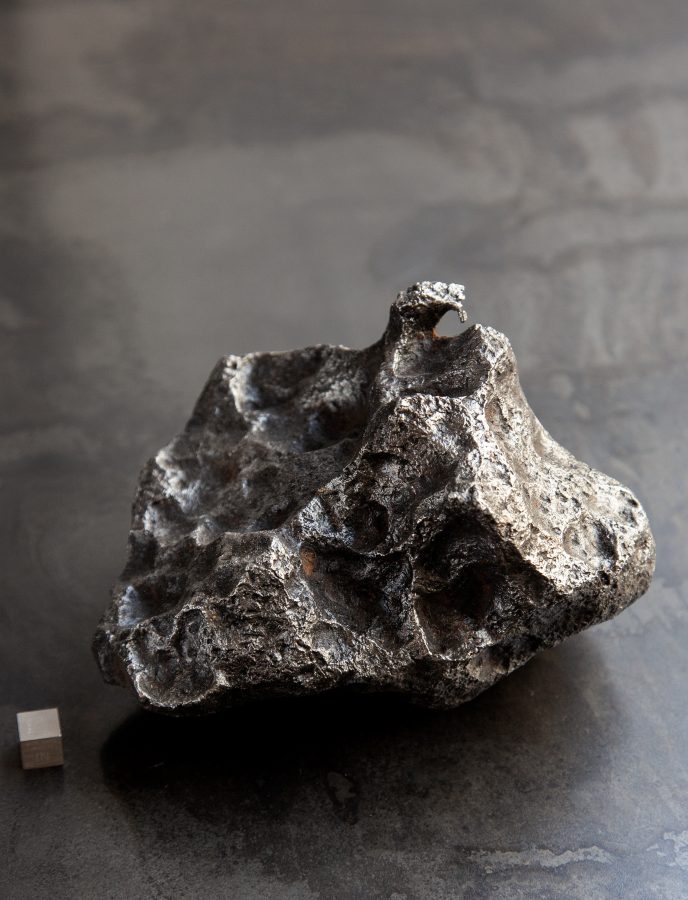
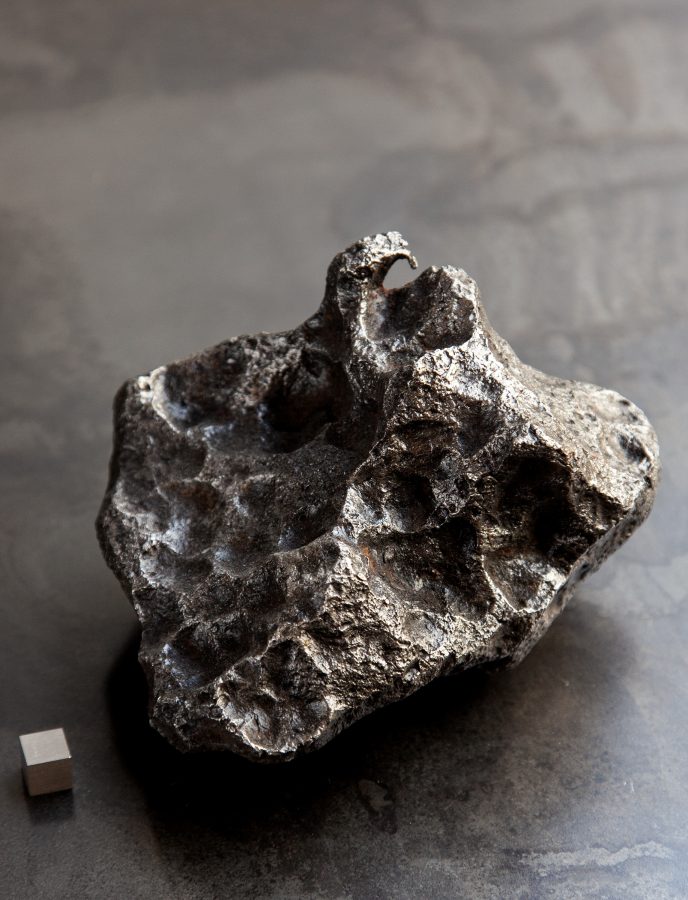
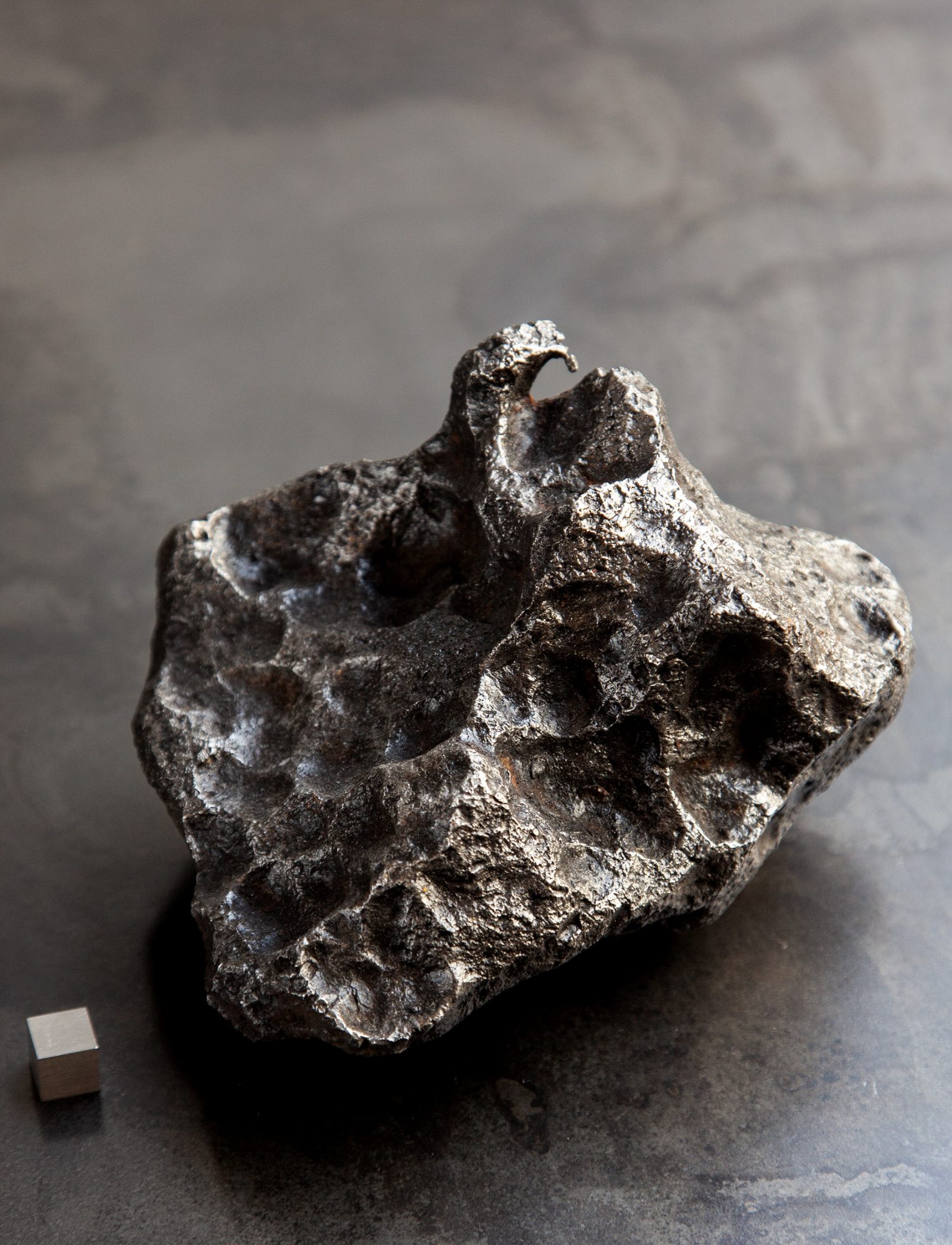
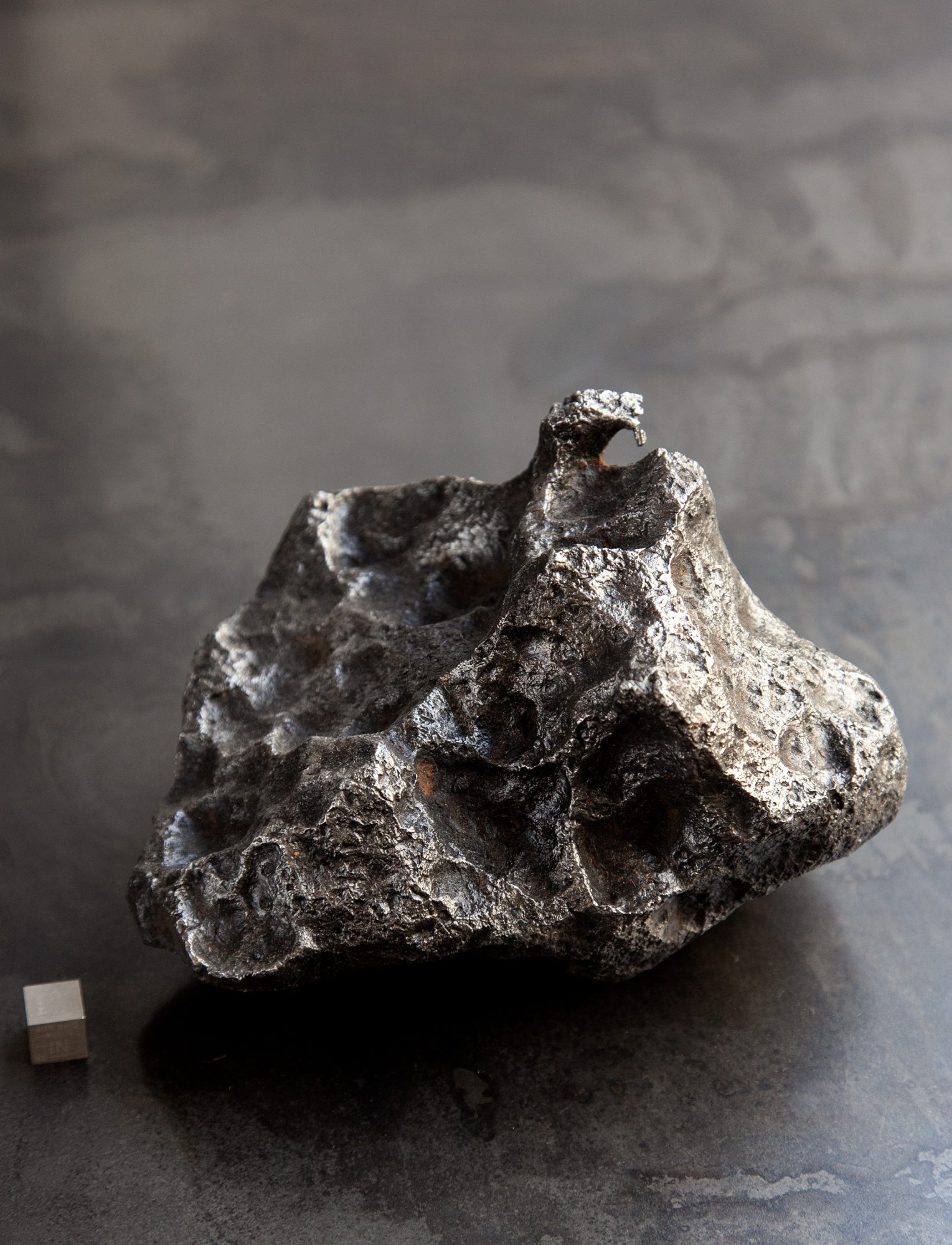
| Size: | H11.1cm W14cm D9.5cm |
| Price: | P.O.A |
| Availability: | Available | Enquire |
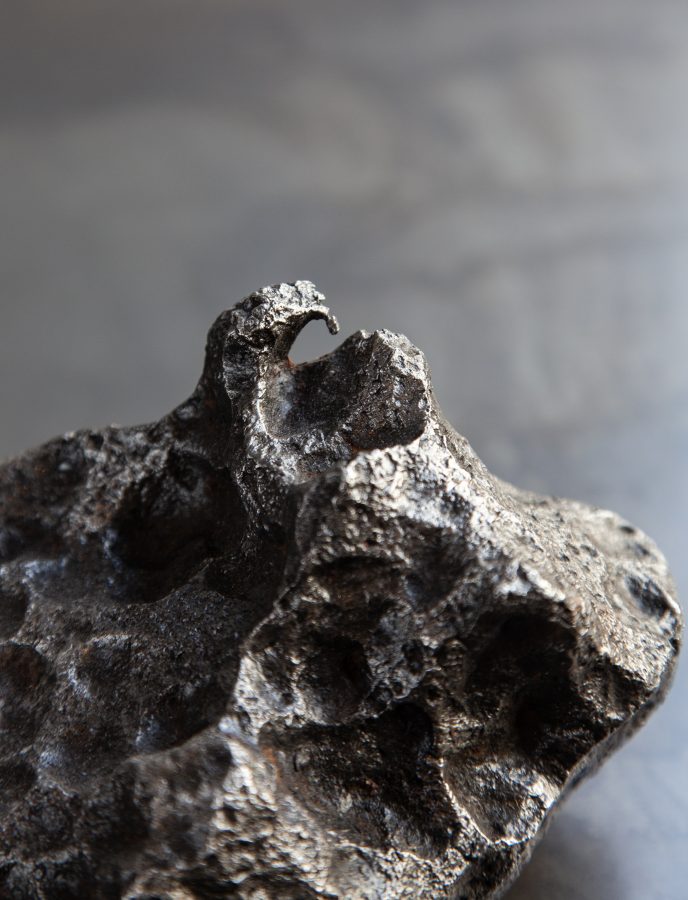
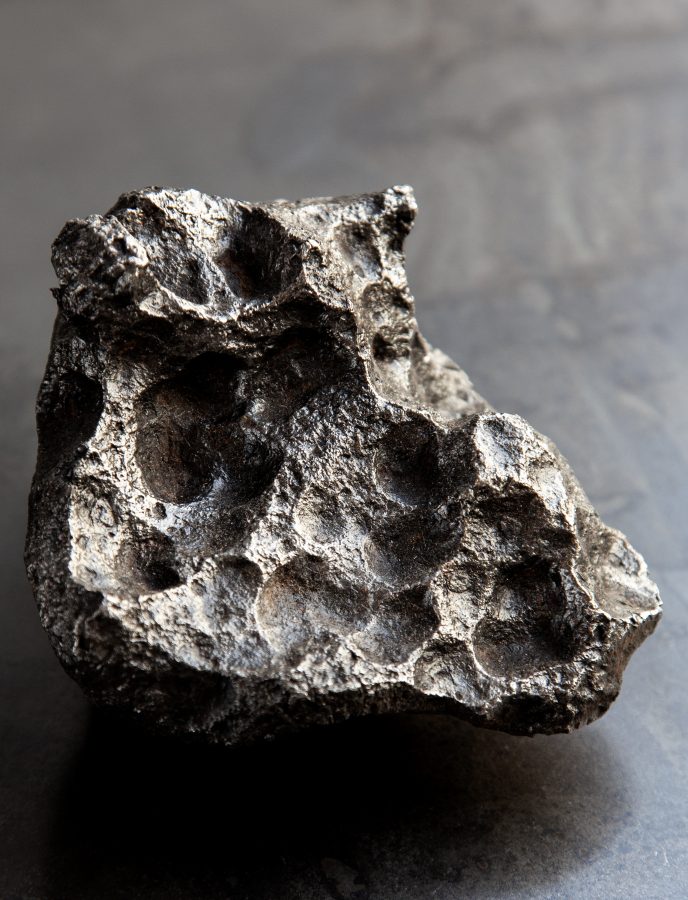
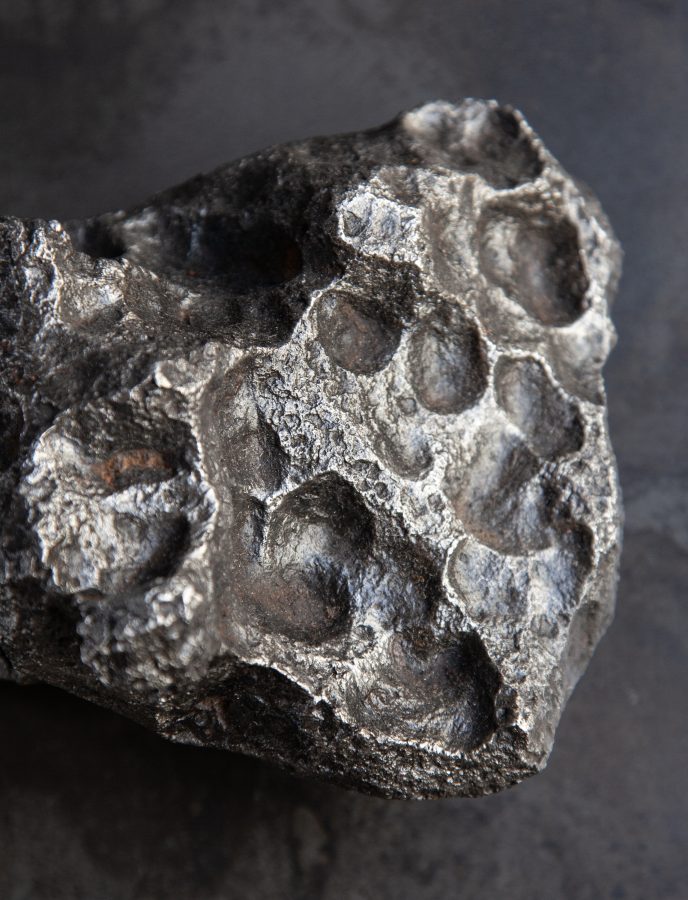
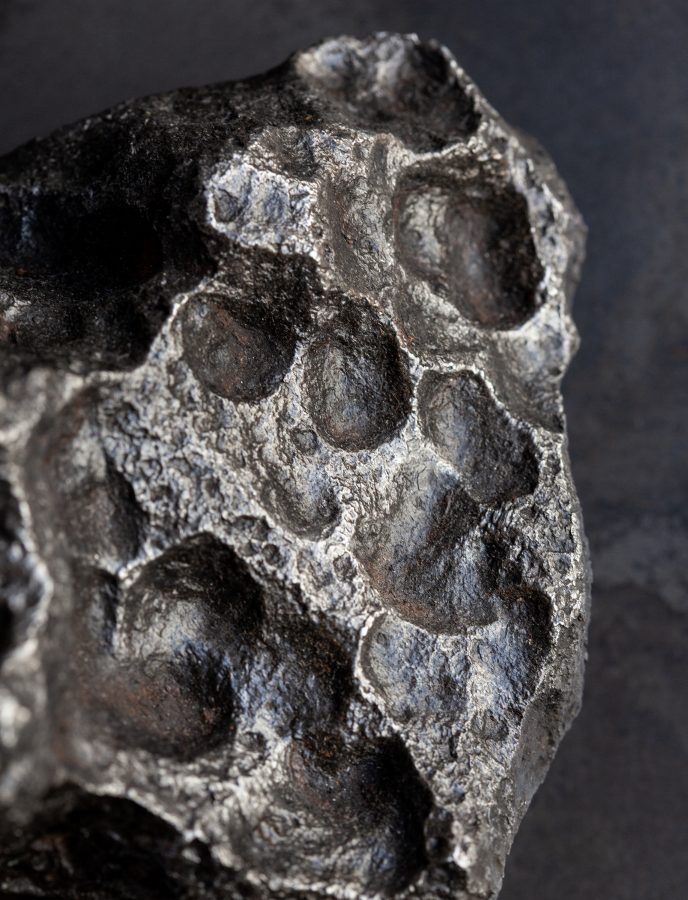
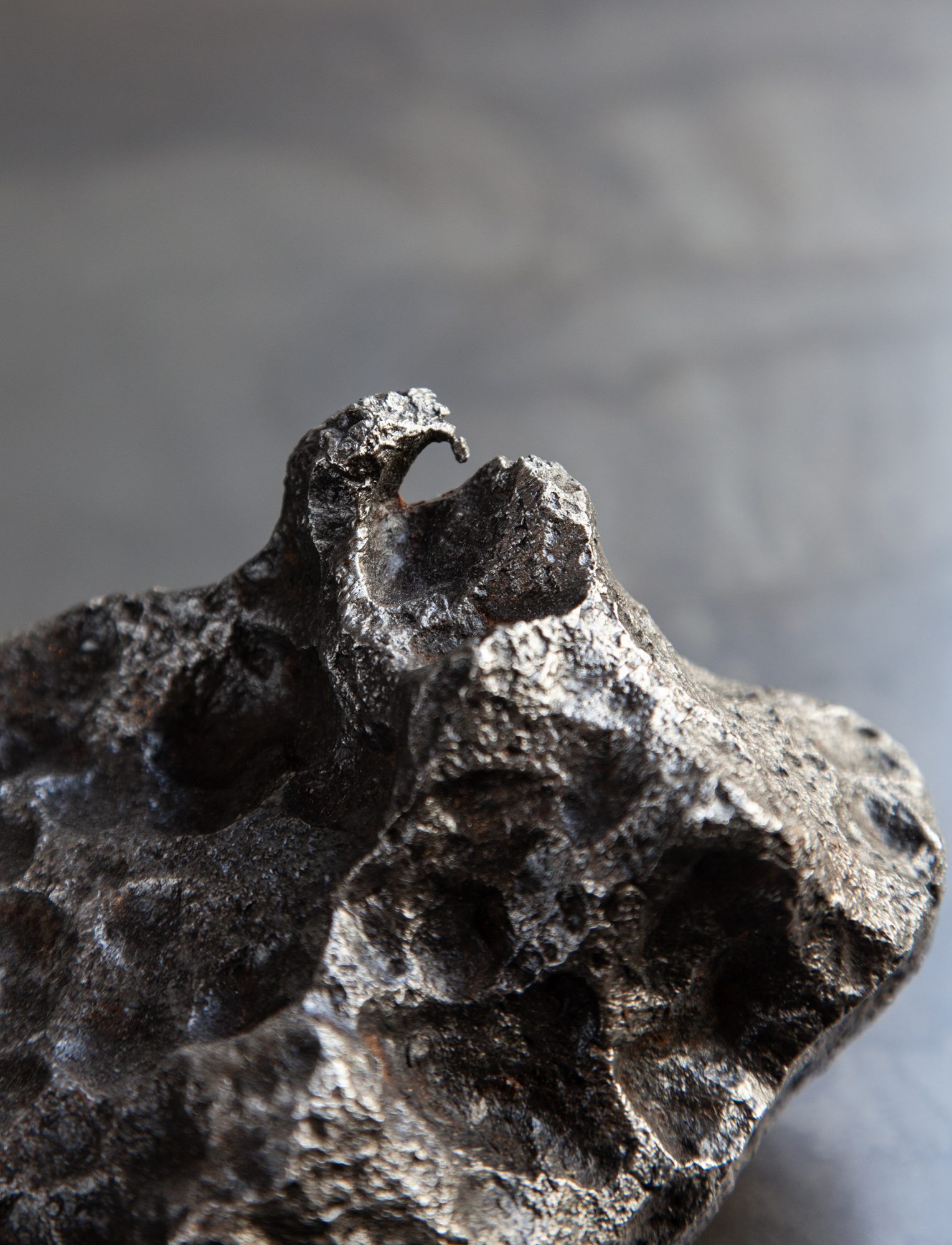
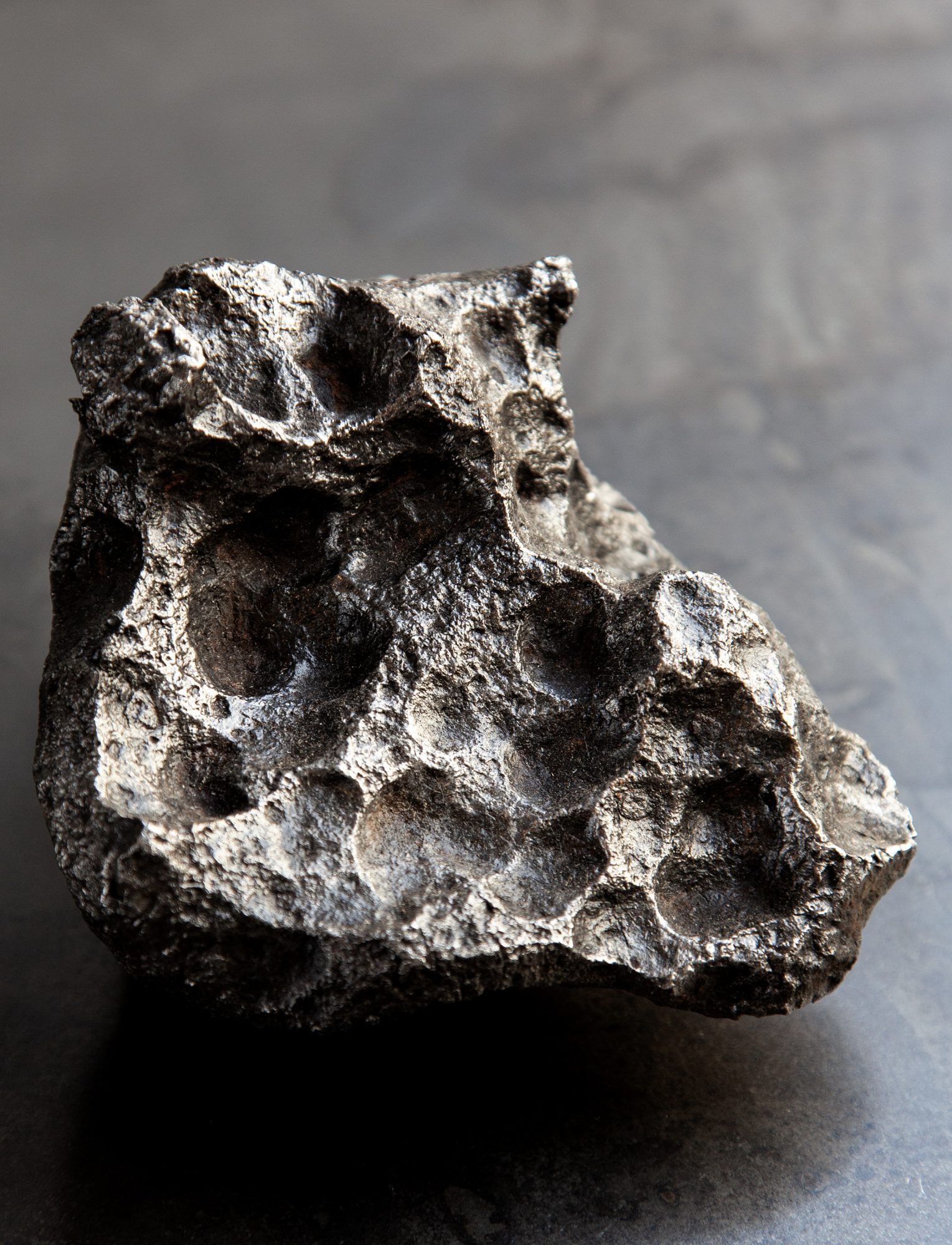
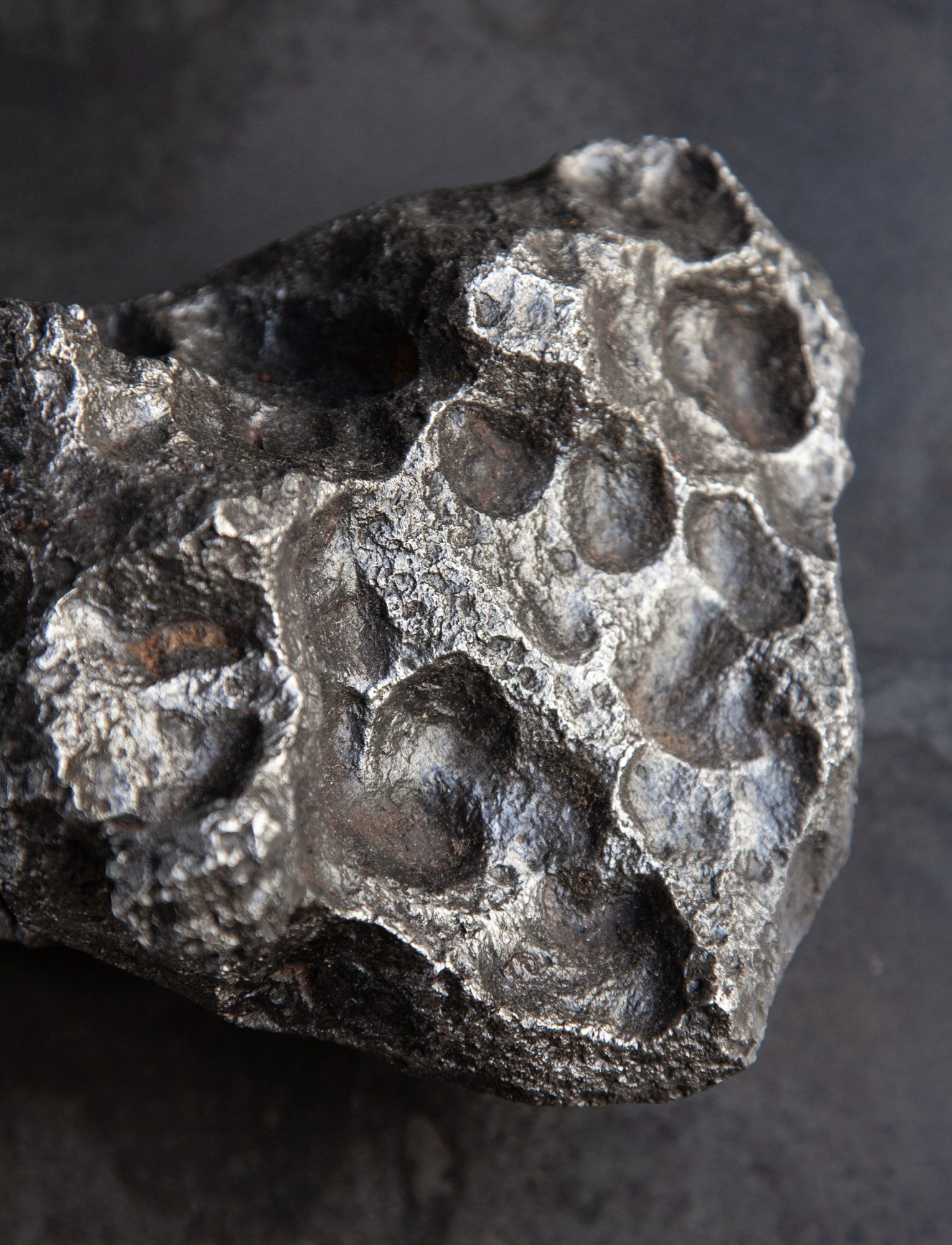
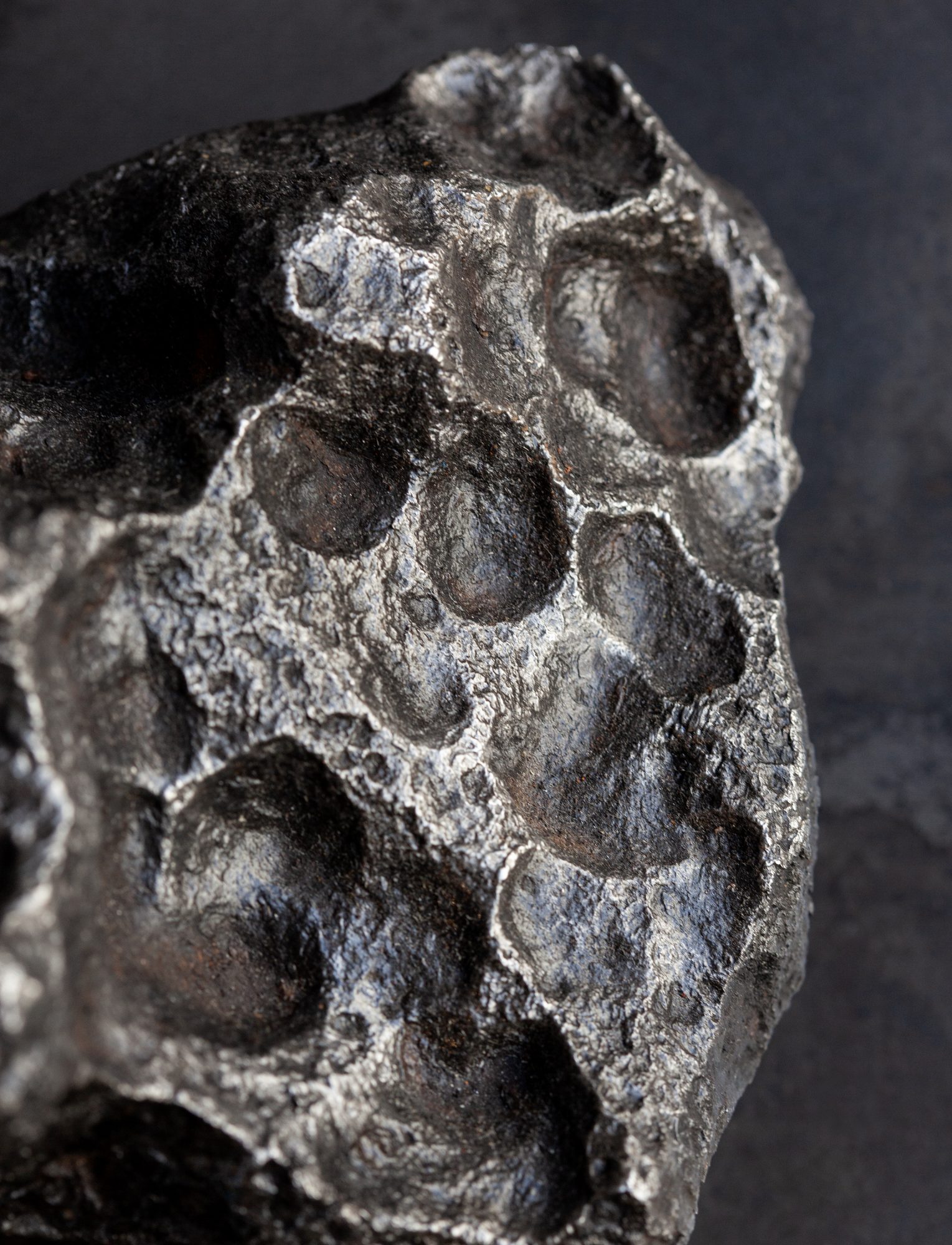
The Campo del Cielo meteorite is one of the most recognisable and historically significant iron meteorites ever discovered, renowned for its extraordinary sculptural surfaces and distinctive natural formations. Originating from an ancient asteroid and formed approximately 4.5 billion years ago, this remarkable iron meteorite fell in northern Argentina some 4,000–5,000 years ago, fragmenting during its passage through Earth’s atmosphere and creating an extensive field of impact craters. Composed predominantly of iron and nickel, Campo del Cielo belongs to the IAB-MG iron meteorite group, preserving within its metallic structure a fascinating record of the earliest formation of our solar system. Its most captivating characteristic, however, is the presence of regmaglypts — beautifully sculpted, thumbprint-like depressions covering the exterior of many specimens. These remarkable natural impressions were created as intense atmospheric heating and turbulent airflow progressively melted and stripped away material from the meteorite’s surface during its extraordinary descent towards Earth. The resulting formations create an almost sculptural appearance, with flowing contours, rounded hollows and intricate surface textures that no human craftsman could authentically reproduce.
What makes Campo del Cielo particularly desirable is the remarkable individuality of its regmaglypts, with each specimen displaying a unique arrangement of depressions shaped by the extreme forces of atmospheric entry. Some examples exhibit deep, pronounced hollows, while others possess softer, flowing impressions that give the meteorite an almost organic, hand-sculpted quality. These features are more than simply aesthetic curiosities: they are physical evidence of the extraordinary journey each fragment endured before reaching our planet. First documented by Spanish expeditions in 1576, although known to Indigenous communities long before then, the Campo del Cielo strewn field has yielded more than 100 tonnes of meteoritic material and at least 26 recognised impact craters. Despite the considerable quantity recovered, specimens retaining particularly attractive, well-defined regmaglypts possess a distinctive visual appeal and are especially interesting to collectors. Combining immense antiquity, substantial metallic presence and an exterior sculpted by the forces of the cosmos itself, Campo del Cielo is a remarkable natural artefact — a tangible reminder that some of the finest examples of natural sculpture are created not by human hands, but by the universe.